Bipolar 2 From Inside and Out

Archive for the ‘mental health’ Category

Forced to Face My Fear

A little while ago, I posted about my severe dental phobia (http://wp.me/p4e9Hv-cG). So of course fate pushed me to the wall and left me no choice but to confront it.

tooth fairy illustrationHere’s the backstory. My teeth are awful, and my dental phobia has a lot to do with it. Realizing this, we borrowed some money and put it aside for my dental work. The reason that we had to borrow that much money was not just because we’re broke (we are) or that our dental insurance is so crappy as to be nonexistent (it is), but the fact that the last time I got any dental work done (years ago), I was so terrified that I had to have a traveling anesthesiologist brought in to put me completely under. And that approximately doubles the cost of already-pricey, though necessary, procedures.

Then another disaster ate the money we had put aside. There was no choice in the matter. The dental money had to be sacrificed.

Then fate stepped in. Last Saturday I got a toothache. Of epic proportions. Not realizing that the dentist had a 24/7 emergency number, I toughed it out till Monday, when my face was hideously swollen and the combined powers of Anbesol and Tylenol were insufficient to let me sleep. I got in to see the dentist on Tuesday.

That one tooth was definitely going to have to come out and the abscess drained (did I mention there was an abscess?). And there were a few other highly recommended procedures that needed doing as well. None of which the crappy insurance would pay for.

But that wasn’t the real problem, or at least not the only problem. The traveling anesthesiologist was out. The dental slush fund no longer existed. Normally (that is, for normal patients) the dentist offers “oral sedation,” which turns out to be triazolam (Halcion). But since I already take lorazepam (Ativan), that wasn’t considered safe.Apparently the two don’t work and play nicely together.

“You’re going to do this without anesthesia AND without oral sedation?” the dentist said.

“I have no choice,” I replied. He had given me Vicodin for the pain (as well as an antibiotic for the abscess), but I couldn’t really take that long-term. And so I was cornered. I had to have the procedure, no matter what. (My husband offered to get a rubber mallet and knock me out, or knock the tooth out, or something. I politely declined.)

The plan we worked out was this: On Thursday, when they were to do the procedure, I would take two Vicodin and increase my lorazepam from .5 mg to 1.0 mg. (with my pcp’s permission). Then I would have nitrous oxide, which had never worked for me before, but hey, worth another try, right?

And I would have my husband there in the procedure room, as my comfort animal. He had to stay out of the way, but was able to reach over and pat me on the ankle. Which was comforting, actually.

Double Vicodin (I was permitted two but had been taking only one) and double Ativan (plus one prophylactic Immodium) left me suitably stoned. I was totally confused when the hygienist asked me, “Bubble gum or orange creamsicle?” I was stoned, but that made no sense. Turns out nowadays they have scented nose cones for the nitrous. (I chose mint.) I could barely feel the numbing shots, and the extraction went smoothly. I didn’t hear/feel the terrifying, sickening crunch that went from my jaw directly through my brain when I had my wisdom teeth out. My husband said I didn’t even flinch. He patted my ankle anyway.

Then we paid about the same as we recently had for two vet visits for our ancient cat, but nowhere near what we had borrowed, put aside, then spent.

I didn’t even disgrace myself, though I had spare underwear in my purse, just in case.

All in all, it went way better than I expected. Have I conquered my fear? I don’t honestly know, and probably won’t until the next time. (And there will be a next time.)

But at least I’ve proved that I can do it. I can have a dental procedure done without anesthesia and without oral sedation, if it’s really, really necessary. Pain is surely a great motivator. I am no longer a huge wuss, I guess – just a regular wuss. I do hope, however, that when the clot heals and the infection clears up, and the swelling has gone away, that I do not have to go through this again for a very, very long time.

(At least this time I did better than when I faced my apiphobia (http://wp.me/p4e9wS-7H).)


How a Cat Helped Me Stay Sane

Queen LouiseAny pet can help with mental health, really. But in my case, it was a cat.

I was living alone after a bad breakup that had shattered me, mind and spirit. After moving twice, once from another state and once from an apartment complex after I lost the job that paid for it.

I was damaged, and I was alone, in the upstairs of a small house in a small town. I asked my landlady if I could have a cat. She was dubious, but said yes.

I found a cat at a shelter. She was an adult tortoiseshell calico named Bijou. She was small and shy and quiet. The first night I took her home, she slept across my throat.

We needed each other. I needed someone to care about, to focus my attention outward on. She needed someone  to draw her out of her shell, to care for and about her.

We took it slowly. At first she didn’t like to be held. When I got home from work she would meet me at the door. I would pick her up, give her a quick kiss on the head, and set her right back down. Soon she learned that being held wasn’t such a bad thing.

Since then I have never been without a cat.

And they have improved my mental health. Pets do.

Pets entertain when we need distraction.  They can make us smile and even laugh.

Petting them brings tactile comfort and purring offers a soothing sound.

Caring for a pet makes us feel – be – needed. Even when we have a hard time caring for ourselves, a pet becomes a responsibility bigger than we are.

Losing a pet teaches us about the process of necessary grieving. Then getting another pet teaches us about the process of loving someone new, opening our hearts again.

Pets listen. They don’t judge.

Pets communicate with us, and teach us their personal language.

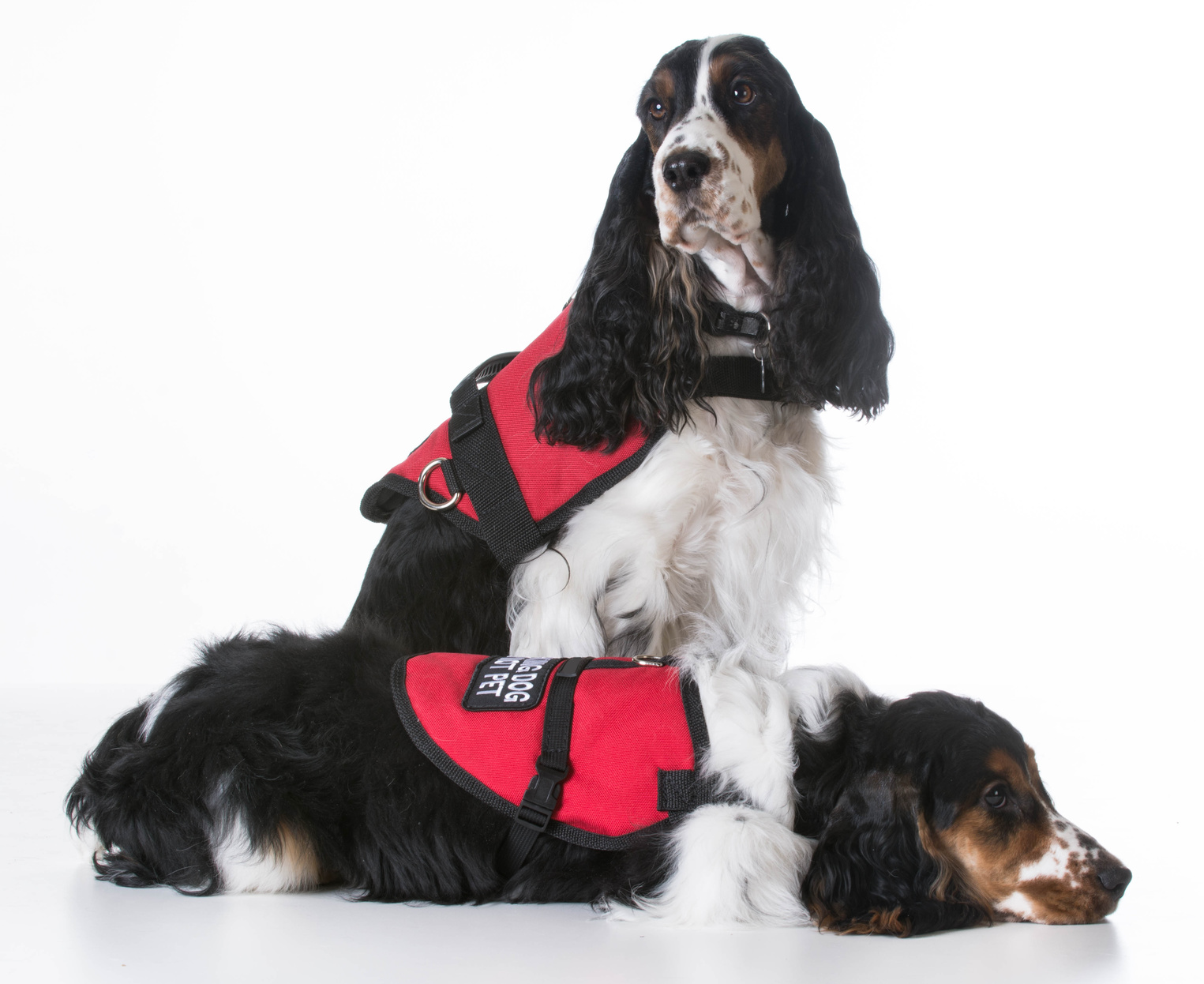
Pets are now being used as therapy animals and comfort animals for the anxious, the aged, prisoners – and psychiatric patients. The laws and policies regarding “assistance animals” are only just beginning to be enacted. They are far from catching up with the need.

Even visits with farm animals – lambs and chickens and ponies – are fulfilling vital roles in people’s lives.

I’ve written about “crazy cat ladies” before and even identified myself as one (http://wp.me/p4e9Hv-bI). There is a stigma that goes along with the label – yet another kind of stigma that we would be better off without. Admittedly, we can become obsessed with our companion animals, even to an extent that is unhealthy. They can be burdens, and annoyances, and expenses.

There are some people – perhaps people with rage issues, for example – who should not own pets. Having pets is a choice that should only be made if they and you fit together well. We’ve all read the stories and seen the pictures online of people who abuse pets horribly. Now those are the ones that I consider crazy.

Pets may not me be the right choice for other reasons. A person who travels a lot, or has extended hospital stays, may not be able to make the commitment. Germophobes and emetophobes may not be able to handle the inevitable messes that come with pets. Even pet fish need their bowls cleaned.

Personally, I would avoid fish, unless the care of, say, tropical fish fascinates you. And their placid swimming can be calming. But for most of us, a pet that interacts with us is preferable. Birds aren’t very cuddly, but they make agreeable (to some) sounds. Reptiles have their own fascination and aficionados. Me, I want something I can pet.

The picture that accompanies this post is of Louise (aka The Queen of Everything). She is 20 years old and, although she is hanging in there, I will be devastated when she goes. My husband’s 17-year-old cat, Garcia, has some health problems, though again, not terrible ones considering his age. Then there are our youngsters, Dushenka and Toby.

I don’t think it’s too much of a stretch to say that they are as much a part of my support system as I am theirs.


May Update

I fear May has broken my spirit and possibly my brain. Fortunately, I see my brand-new psychiatrist on Saturday and my therapist on Monday.

How I Learned a Few Social Skills

I thought my social skills were bad until I encountered a woman who asked me, “Do you have mental problems?” (She recognized me from our mutual psychiatrist’s waiting room, but still….)

expression

With practice, however, I have been able to improve my casual conversation skills, at least enough to get by in some situations, as long as they don’t last more than an hour. Here are my secrets. They do take practice. I have been fortunate to have had people to practice with – friends, coworkers, and of course my husband.

Introductions. Actually, I taught this one to my husband. Often when we met someone that he knew, he would fail to introduce me, leaving me standing there like the proverbial bump on a log. He claimed that the problem was that usually he couldn’t remember the person’s name. “Just point to me and say, ‘This is my wife, Janet.'” Then I will stick out my hand to shake and say, “And you are?” That way we both learn the person’s name. It works like a charm, every time.

Very Brief Conversations. Conversation with strangers – just a sentence or two – is also relatively easy to learn. The trick is the innocuous comment and there are two ways to go about it. The first is to make the comment yourself – “Those are great shoes! They make your feet look really small.” “What a lovely handbag. My mother had one that was similar.” Make an observation and then a related remark, usually complimentary. They don’t even have to be true technically. If you can’t think of anything else to say, a comment on the color of an outfit is usually good. There’s hardly any way someone can take offense at “That’s a great shade of blue on you.”

The other side of the equation is to get someone else to make a comment to you. This requires a prop most of the time. I used to carry a purse shaped like an armadillo, and that proved a great conversation starter. I memorized several responses that I could use when the other person said, “Oh, what an unusual purse!” I could say, “My mother gave it to me for Christmas one year” or “A friend found it in some catalog.” The purse went over  big, especially if there were children present.

Longer Conversations. These require more practice. Luckily at one of the jobs I had, there were a couple of people that I could invite out to lunch and practice conversation with. (I suspect that they knew what I was doing, but they never mentioned it. In effect, they played along.) Mary, for example, had two adopted children, and questions about them we’re always good for a few minutes of interesting listening. They also had a cat and a snake. Pets and children make good topics.

Sometimes it’s best to steer clear of work-related subjects, but if the person is really understanding, you may be able to vent. You should also be able to listen to the other person too. The secret to that is not to try to fix the problem. Simply listen and validate the person’s feelings. “That sounds awful! Does she do that all the time?”

Formal Settings. Mary also provided me with the opportunity to learn about a sometimes-necessary but difficult situation – funerals. Mary and a few other people invited me to go with them to the viewing of a person that I knew only slightly in a work context, so the stakes were low. From watching Mary and her friends, I learned that the proper procedure is to stand briefly at the coffin looking solemn, then go to the bereaved, shake hands or hug (depending on whether they proffer a hand or two arms), and say, “I’m sorry for your loss” or “My deepest sympathy” and at least one remark about the departed. It can be as simple as “He was a pleasure to work with” or “Everyone at work is going to miss her.”

Not Melting Down. Another important social skill is not having a major meltdown in front of other people. When I first visited my husband’s family, I became very uncomfortable quite often because everyone seemed to be yelling at each other. Loud, angry voices tend to upset me, especially if they continue for any length of time. The technique I developed was to go into the other room and make a cup of tea. Making tea is socially acceptable. (If you’re in the kitchen, go to the bathroom or step outside for fresh air.)

Much later I learned that my husband didn’t realize that his family reacted to even minor questions with argumentative responses in loud voices. To him, and to them, this was simply the normal style of conversation. It wasn’t what was normal in my family, and it triggered my aversion to confrontation. I guess whatever you grow with grow up with seems normal to you.

One other piece of advice: Don’t attempt flirting unless you have a coach. It’s really tricky and possibly dangerous. Not for the novice (especially not the kind of novice who wears a habit).


A Bipolar Child

I suppose I was a bipolar child. I don’t really know, but I assume I was, because now I’m a bipolar adult.

I think I was more of a depressed child, which actually makes sense, since I have bipolar 2, with depressive episodes far outnumbering hypomanic ones. There were some times, though, when I would laugh loudly and inappropriately in class, triggered by a word that reminded me of something funny I’d read. There were times I’d walk around with a village-idiot grin because of some minor accomplishment like winning a live goldfish at a school fair.

Depressed child with toyBut mostly I remember misery. Tears. Loneliness. Hysterics. Confusion. Isolation. Hurt. Despair.

I’m fairly sure my depression wasn’t reactive, mostly, although parts of it surely were. The bullying, betrayals by friends, not understanding social conventions – all these were things that could easily make a person depressed, regardless of brain biochemistry.

But by and large my life was what would be considered pretty damned idyllic. I had stable, loving parents, a comfortable home in the suburbs with good schools, all the food I wanted, and as many toys as I could play with. I had a sister and a neighborhood full of children my age, but I remember being perpetually lonely. I had a good education, but looking back I realize that my illness prevented me from getting the most from it. There was no sexual or physical abuse or neglect. No one close to me died or suffered major trauma, at least until I was in high school and my parents suffered illnesses. Even then, they did a good job of keeping life as normal as possible. At the time we never felt it was a tragedy. It was just something we got through together.

That just leaves endogenous depression. Or at least the depression half of bipolar disorder. I remember one day walking home from elementary school and thinking, “All these houses look so pretty, but the people in them aren’t all happy.” It was somewhat of a revelation to me.  I had several major meltdowns, which I’ve written about before, and hundreds of smaller depressive episodes (http://wp.me/p4e9Hv-6J). I had nervous twitches and tics, and was prescribed Valium for them.

During my high school years, it was suggested that perhaps I ought to go to the school district’s psychologist. (This was probably during the episodes of inappropriate laughter in class.) My parents, who were not really familiar with mental illness and psychiatry, asked me if I wanted to go. I didn’t. I probably should have, although back then – the seventies – it’s fairly unlikely that I would have been diagnosed with bipolar disorder, of any type. I might have gotten some help for the depression, though. They might have taken me off the Valium.

Like most lonely and misunderstood kids, and perhaps most depressive children, I found my salvation in books. They were friends, distractions, instruction manuals on how to survive, food for my emptiness, a place to lose myself when the world was too much with me. By and large it worked, at least as well as anything could – a self-prescribed and self-regulated form of instinctual bibliotherapy.

These were not books on how to make friends, or ones that promised to teach a child how to cope with emotions. They were for the most part pure escapism. Fantasy and science fiction, mysteries and adventures, literature and bestsellers – a complete mishmash of classics and trash. Those were my doctors, my therapists, my Prozac, my mood stabilizers.

I look back now on myself as a child – mentally disordered, undiagnosed, untreated – and wonder how I survived  as much as I did.

If I were a child these days, would I get the help that I needed then? Would my parents recognize that I was not just odd and unhappy, but mentally ill? Would I have been diagnosed properly? Medicated properly? Counseled properly?

With all that needs to go right and all that can go wrong during the process, it feels like getting help for a bipolar child certainly was – and perhaps still is –pretty much of a crapshoot. I made it through, but I hope it’s easier for a kid like me these days.


The Week of Living Alone

Sometimes, when I get tired of my complicated life, I imagine what it would be like to start over someplace new, or what it might have been like if I had made different choices. I envision myself, living alone (well, with one cat), in a small town like Benson, AZ. I would have a small used book store or secondhand shop and live in a small apartment over it or behind it. I would have a couple of friends I met in my shop and go out to lunch or dinner once in a while, but mostly spend my free time listening to music, watching TV, or on the Internet.

Sounds simple and peaceful, doesn’t it?

Portrait of a young woman drowning, shark fin on the backgroundThis past week has convinced me that even such a stripped-down existence would not be possible for me. My husband was out of town for nine days, and I could barely manage.

Those of you who follow this blog know that my husband is my rock and my support. I often say I could not get through without him, and my recent experiences only reinforce that.

I didn’t begrudge his leaving, though I wish he had not been gone quite that long. His mother needed him to help her get ready to sell her house and move, and nine days was barely enough time to start on all that needed to be done. There are times she needs him as much as I do.

But coping on my own was difficult. I have paid work I have to do. It matches perfectly with my skill-set and I’m grateful to have it, but sometimes it’s just plain hard to do and hard to make myself do. And I have two blogs (the other is at janetcobur.wordpress.com) that I have made a commitment to posting in once a week, each. Plus, I have started writing a novel.

We have four cats, two of them ancient, and one dog, also ancient. I was afraid that one of them might die while my husband was away. (None did.)

As scary as the idea of coping with a dying or dead animal on my own was, just caring for them was difficult. They keep demanding food several times a day, you see, and they have no thumbs to open cans with. Then there’s the water bowls and the litter boxes. I used to live alone with one cat and manage okay, but that was many years and many meltdowns ago.

Then there was feeding me. Dan had stocked up on things I like before he left, but after the French bread pizzas were gone, I lived largely on salami sandwiches, cheese and crackers, and cereal. (I did eat vegetables. I had a small tray of sliced veggies and dip.) Once I made a couple of baked (frozen) fish sandwiches early in the week, but later I had devolved to the extent that my evening meal was peanut butter on a bagel. Another night I had mashed potatoes and a glass of red wine. Other meals I simply skipped.

Then there was Dealing With Stuff. Life Stuff. You know. The Stuff that happens to everyone sometimes piled up on me. I had to talk to (argue with) the utility company and the IRS. I had to pay bills. Life stuff leaves me exhausted.

Plus, I kept having to Go Out. Deposit my check. See the doctor. Pick up prescriptions. Buy cat food when I ran out. I wore pants more days last week than I had in the previous month. (Dan wanted me to water his butterfly garden daily, but it rained every day or night, so I didn’t have to put on pants and go out for that.) I treated myself to lunch twice when I had to go out to do those errands, but it was nearly impossible to decide where to eat.

Now Dan is back. I had to put on pants again so we could return his rental car.

But you see what I’m getting at here.

My fantasy of retreating to a simpler life is not feasible. It simply wouldn’t work. The everyday tasks and trials of managing a shop, caring for myself and a pet, negotiating all the stuff of life would overwhelm me. Oh, when I’m hypomanic and can sometimes focus, I might do all right for a while, but life – even a very basic one – would eventually overwhelm me. There are so many things I can no longer do, at least not without serious amounts of help and support.

I can muddle through for a while mostly on my own. I am getting better. But not better enough to live independently, at least not right now.


Senses and Sensitivity

When I was a child, I was often told that I was “too sensitive” – meaning that I took things too much to heart, especially criticism and the taunts and bullying of other children. It was something that I assumed was innately wrong with me, and that I didn’t know how to fix.Sensory Overload in Children

These days, however, I’m too sensitive to sensory input.

I used to be able to write or read or edit with music on (instrumental music, at least). I used to be able to hold a conversation while the television was on. I used to be able to drive a car and look at the scenery around me.

Not anymore.

A fan is about all the sound I can handle while I write, and sometimes quiet is the only thing that will calm my nerves. I can barely process remarks anyone makes about the TV show we’re watching. And if I’m driving, I never even notice a deer in a field off to the side of the road. I doubt that I would notice a hippopotamus.

I’ve written before about my brain being overwhelmed with too much input, meaning too many thoughts, anxieties, and fears. But over the years – at least since my last major meltdown – I have trouble processing more than one sensory signal at a time.

It’s not just a matter of focusing in too completely on just one thing. (I have in the past entered into some movies so thoroughly that I’ve nearly killed my husband when he has asked questions like, “Will you look at this pimple on my back?” or whispered to me, “I think I know what makes that spaceship fly.”)

My ability to focus – to concentrate intensely – has been a casualty of my mental disorder. At my lowest point, I couldn’t even read a book, which is something I’ve been doing since I was three or four. I still can read only one chapter or one magazine article in a sitting

Now that I’m recovering (thank God and Drs. R. and B.), I can concentrate enough to read, and write, and edit. What I can’t do is separate out multiple sources of information on the way from my senses to my brain. If my husband talks while a TV show is on, it’s not just that I can’t make sense of what he’s saying, I can’t process either signal – the TV or him. It’s all a jumble.

If I went to cocktail parties (I don’t), I would be unlikely to have an intelligible conversation because of all the ambient noise and clashing voices. I recently went to a workshop that held a mix-and-mingle event on the first day. Having people chatting all around me was not just distracting, but almost painful and immobilizing. Focusing on one person at a time was the only way I could get through it.

And forget about Chuck E. Cheese or Cici’s Pizza! No. Just no. Video arcades – are you kidding? It’s a good thing I have no reason to frequent places like that. When I go to a regular restaurant, I have to ask not to be seated near any birthday parties or office functions. I wish they had a “no screaming” section.

I understand that sensory processing difficulties sometimes occur in persons with autism spectrum disorders (ASD) and/or ADHD. I have never been diagnosed with ASD, though I may have manifested Asperger-like traits in my youth (well, OK, in my adulthood too). And I have been told by doctors that I have hyper-sensitive nerves. Is that the same as what I experience? I don’t know.

Most of the research and discussion of sensory processing and bipolar disorder occurs in the context of children, though I never noticed such difficulties when I was a child. But just as articles about autistic adults are rare (except, of course, for the high-functioning) and learning disabilities are forgotten about as soon as a person leaves school, it seems that sensory processing problems in adults also get little attention.

I can’t be the only one dealing with this.

As I learn more about my own difficulties and conditions that affect others, there is one conclusion I’m rapidly approaching:

Neurodivergent is neurodivergent. We may have different diagnoses, but there is much we share.

Guest Post

Beautifully Bipolar just resurrected an old piece of mine as a guest post. It’s on hiring and firing a therapist and you can find it here: https://notmydisabilities.com/2016/04/12/hired-help-janet/

Who’s a Spoonie?

With all the talk about cultural appropriation lately, I’m hesitant to wear Kokopelli earrings or eat at the Chinese buffet. I understand that some people object to Canadians playing Englishmen who are pretending to be Japanese for a production of The Mikado is offensive or racist. I don’t always agree, but I understand the principle involved. Even I, a WASP, find Mickey Rooney’s character in Breakfast at Tiffany’s to be egregious, appalling, and insulting to everyone involved, including the audience.

Hand XrayBut recently there’s come the claim that those who are not entitled to it are appropriating Spoon Theory language. And in this case, “entitled to it” means someone with an “invisible illness” – chronic pain, chronic fatigue, and other conditions that do not announce themselves to the public with visible cues such as wheelchairs, crutches, missing limbs, or guide dogs.

If you don’t already know Spoon Theory, you should. You can find the explanation here: http://www.butyoudontlooksick.com/articles/written-by-christine/the-spoon-theory/. Basically, “spoonies” have only a limited amount of energy units per day, represented by spoons. Spoonies must use a ridiculous amount of spoons to get through tasks that others accomplish normally in the course of life – showering, driving to work, driving home, fixing dinner, et endless cetera.

In fact, on any given day a Spoonie may not have enough spoons to get out of bed and get showered and dressed. It’s not that Spoonies are lazy; they may have only three metaphoric spoons that day, compared to a non-Spoonie’s typical, oh, I don’t know, 20? 30?

A few weeks ago, I wrote about whether bipolar disorder and other mental disorders are invisible illnesses: https://bipolarjan.wordpress.com/2016/03/06/is-bipolar-disorder-an-invisible-illness/. (I said they mostly are.) As far as I’m concerned, we’re Spoonies and “entitled” to Spoonie language. Most of us have had the experience of not having enough spoons to spend on a morning shower, having to choose between hygiene and, say, eating breakfast.

So now, apparently, the general public is picking up Spoonie language – saying “I’m out of spoons” when they simply mean “I’m tired” or “That was an exhausting day. I’m done.” And some Spoonies resent that. See http://m.dailylife.com.au/news-and-views/dl-culture/stop-appropriating-the-language-that-explains-my-condition-20160113-gm4whc.html

I have two things to say about it. The first is that language is always growing and changing. But it does it on its own, without our control. (Unless we’re France. France at least tries.) We may wish to eradicate the “n-word,” but we can’t. It’s less socially acceptable to use in polite company, but you know people still use it. Read the comments section on any social media post about President Obama if you don’t believe me.

The second thing is that at least Spoon Theory and language are entering the mainstream. People without invisible illnesses are at least getting a clue of what it means. They may not have the details right, but at least now when we explain it to them, they won’t be starting from scratch.

And after all, isn’t that how Spoon language started – as a way to begin a conversation on what invisible illnesses are and how they affect our lives? Not a secret language that only those who know the password and handshake can use.

I’m Not Brave – I’m Stubborn

Don’t forget! March 30 is World Bipolar Day!

Kopf durch die Wand

One of my friends, who is overweight, recently told me that when she was at the gym on the treadmill, a stranger came over to her and told her she was “an inspiration.”

My friend felt insulted. She was working out for herself and for her health, not to inspire anyone else or to be taken as a symbol of I-don’t-know-what – perseverance? attitude? effort? hope?

I feel sort of the same way when people say that because I am open and public with my bipolar disorder that I am “brave.”

I’m not doing this because I’m brave. I’m doing it because I’m stubborn.

I am who and what I am, and I’m willing to reveal a lot of it because, frankly, I can’t hide it and don’t want to. I’m not average or typical. Not normal, mentally or emotionally.

I’ve always had a love-hate relationship with the concept of “normal.” Desperately wanting to appear normal, but knowing viscerally that I am not. Wondering what it’s like, but knowing that I’ll never know. Wondering what it even means, or what it means that I’m not. I haven’t found answers yet, and at this point I don’t think I’m going to. It’s probably a waste of my time to try.

So, if I’m outside the “norm,” which I am, I may as well admit it. And since writing is what I do, I write about it. I’m not doing this because I’m “brave,” I’m doing this because on some level I have to. I’m stubborn.

I’m stubborn enough these days to have made a sort of peace with the concept of “normal,” even though I still don’t understand it.

I’m stubborn enough to acknowledge my difference and give it its proper name – bipolar disorder.

I’m stubborn enough not to care when I say that and some people flinch or back away.

I’m stubborn enough to reveal things that embarrass me because they are part of me and part of what I’ve lived and lived through.

I’m stubborn enough to get tattoos proclaiming my status as “mentally ill” and using them to open conversations and educate others.

I have not come to embrace my stubbornness easily. I’ve tried to fake “normal” and hide my differences. I’ve gone to my shrink and just referred to “doctor appointments.” I’ve made Prozac jokes even though I was taking it at the time. (For this I am truly sorry, as I later learned that one of those jokes made another person afraid to admit that she took Prozac too.)

I’m not trying to be an “inspiration.” I’m not trying to prove anything to anyone else. I’m doing what I have to do for me. If someone else finds some good in it, that’s fine. But that’s not why I do it.

I am bipolar.

I am a writer.

I am stubborn.

Taken together, you get this blog.

Bipolar Me.