Bipolar Robbed Me of Reading
 I don’t remember a time when I couldn’t read.
Except when bipolar disorder took it away from me.
I was what they call a “natural reader” – someone who learns to read without being taught. Someone who just picks it up out of the air. And for me, reading was like breathing. It kept me going, kept me alive. Reading was part and parcel of my identity. I was never without a book within reach. I read while eating, walking down the hall, going to sleep, riding in a car. (Fortunately, I didn’t get carsick.)
Throughout my undiagnosed childhood years, reading was a way for me and my brain to play nicely together. If I was depressed, I could lose myself in escapist fantasy. If I was hypomanic, I could soar on adventures. And during the in-between times, I had access to unlimited worlds – places, people, situations, ideas, conversations – both familiar and strangely new. Reading was my joy and my solace.
For many years, reading was therapeutic. I could not only lose myself and escape the unpleasantness of my disorder for a time, I could learn more about depression and bipolar disorder, compare my experiences with those of others who struggled with mental illness, discover how medicine and law and psychology and sociology could shine a light on my experiences. I could even (God help me!) read self-help books, which were popular at the time, and learn all sorts of theories and techniques that didn’t improve what was wrong with me.
Books and words were my life. I got degrees in English language and literature. I read for work and for fun. I edited magazines, wrote articles and (occasionally) children’s stories, and worked on textbooks.
Then my brain broke and reading went away.
I had a major depressive episode, which lasted literally years, and during that time I found it nearly impossible to read.
Why? My old companions, depression and hypomania.
Depression made me dull. I didn’t care about anything and found no happiness even in the books that had always been my refuge. I remember picking up a book that I more than loved and had returned to dozens of times, that had shaped my life in many ways, thinking that the familiar words would touch something still buried inside me. But this time there was no magic. Not even interest. The words were flat and dull, mere ink on the page or pixels on the screen. Reading – engaging with an author’s ideas, imagining characters, following plots and dialogue, discovering facts – was beyond me.
And hypomania? My version, instead of bringing euphoria, brought anxiety – an overwhelming twitchiness and fear of the unknown, jumping not just at shadows, but at the idea of shadows, things that had never happened. My attention span shrank to nearly nothing. I could barely read a few pages, not even a chapter, and when I was finally able to get back to a book, I was lost, disconnected.
Now that I have recovered from that episode, I am glad to say, I can read again. I read myself to sleep at night once again instead of crying myself to sleep. I devour entire chapters, keep at least two books going at once (one fiction, one nonfiction), delight in revisiting old favorites and seeking out new authors and genres (YA fiction and steampunk, recently) and topics. I’ve even picked up that beloved fantasy trilogy again and been swept away once more.
Not everything I read is uplifting. At the moment I’m deep into Cult Trip, a horrendous true account of an abusive sex cult in New Zealand. But I can tell when it’s getting too deep and frightening and switch over to Jasper Fforde’s Thursday Next literary fantasy Lost in a Good Book before the awful realities can drag me down.
And I can tell you this: It’s better to be lost in a good book than lost in your own broken brain.

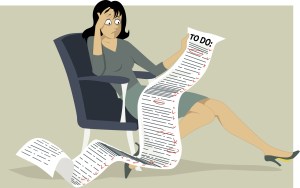 Finding stability is difficult when you have bipolar disorder. The days seem to melt into one another, either life in dense fog or life on a tightrope. You can’t remember whether you’ve eaten that day or showered that week or when you need to pay that phone bill.

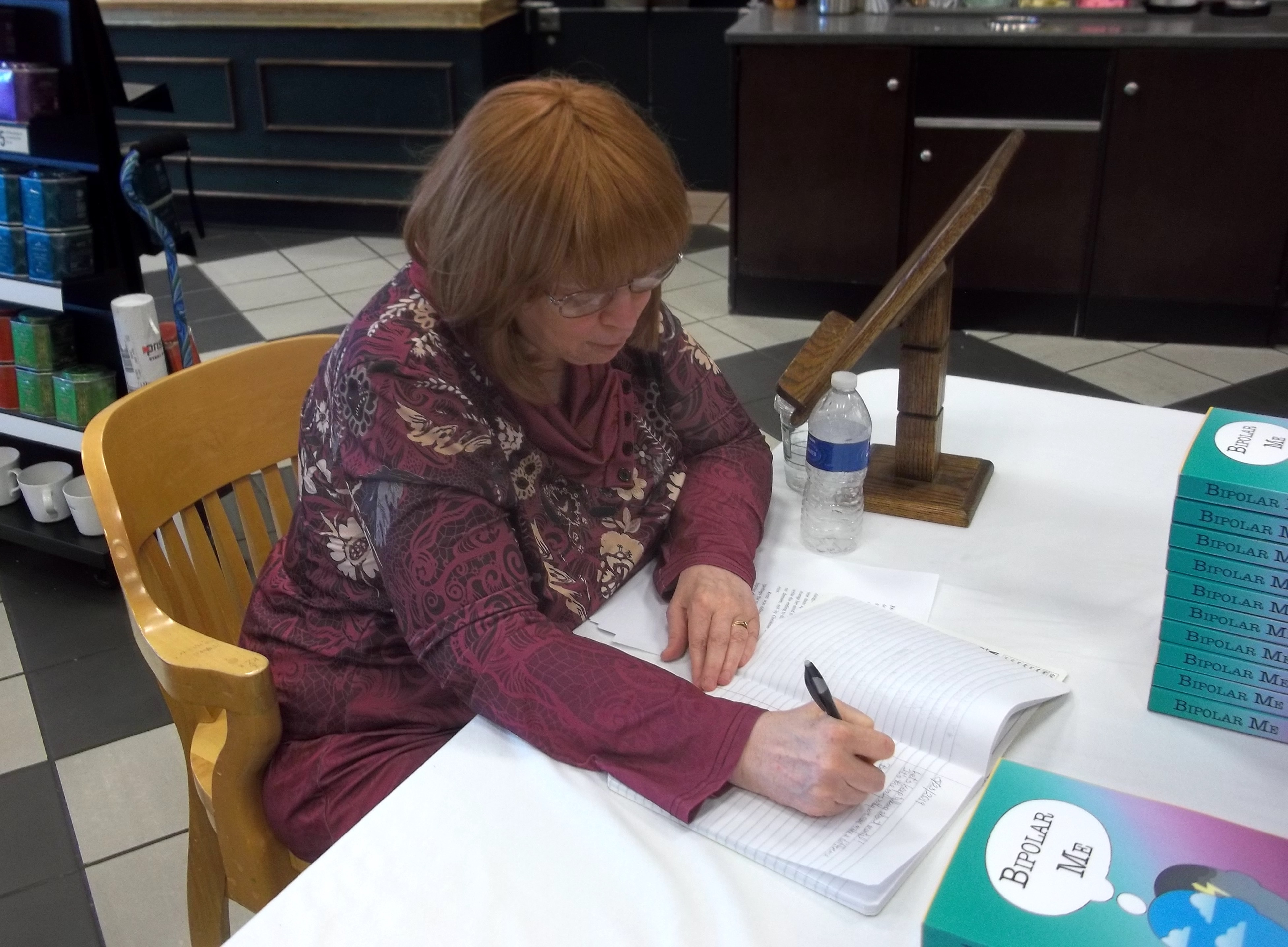



 Janet Coburn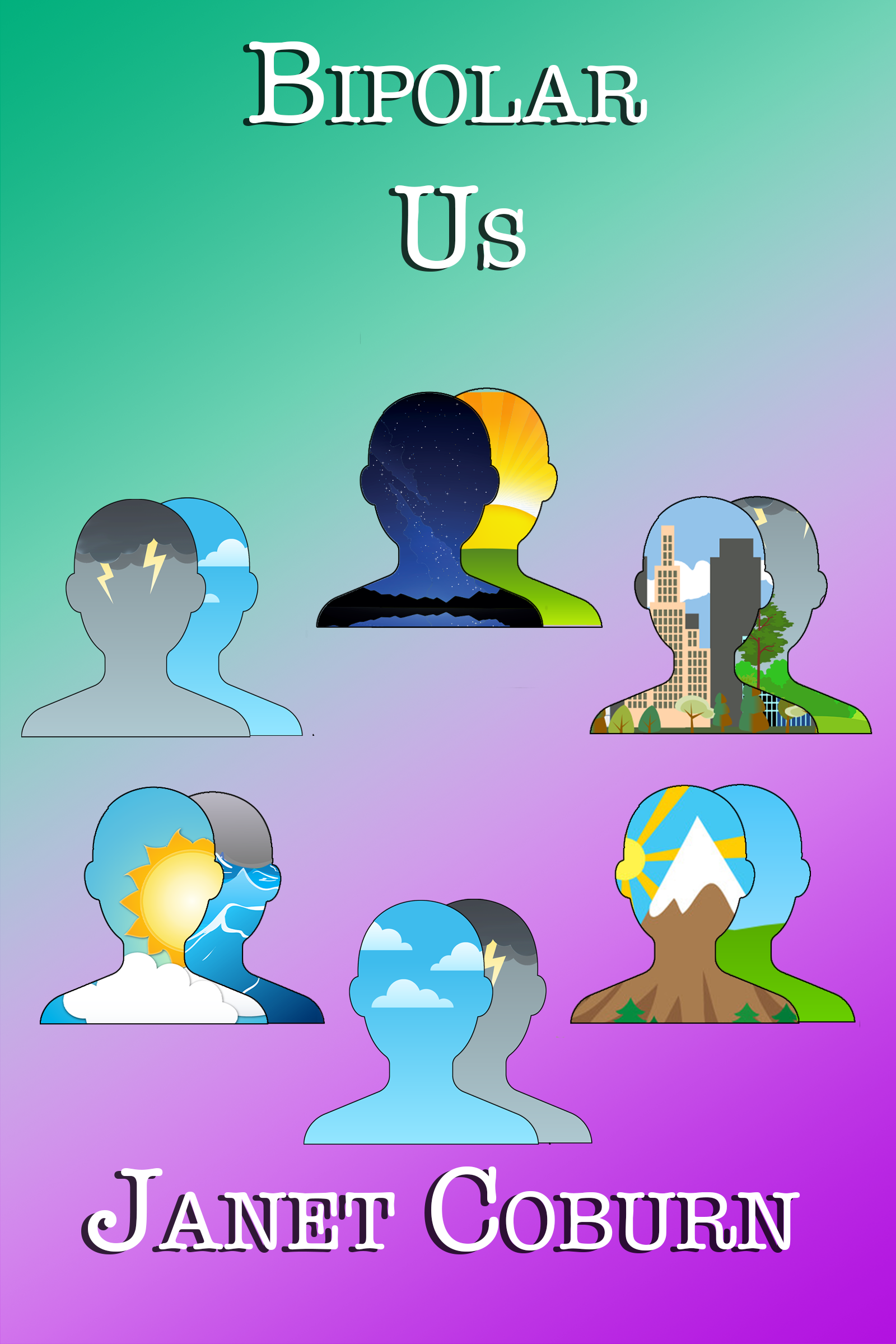

 Bipolar Me
Recent Comments