Bipolar 2 From Inside and Out

Posts tagged ‘my experiences’

My Happy Holiday Hypomania

This holiday season is likely to be an up and down thing with me. (Imagine that!) I started out with a definite fit of hypomania that has lasted for several weeks, but I fully expect to hit a patch of depression, which is common for me around the holidays.

That manicky feeling was exacerbated by preparations for Thanksgiving, which largely centered on finding a local restaurant that was going to be open and deciding among the choices. We did find a place that was open and merrily over-ate, with drinks and dinners and desserts galore. (There are only the two of us, with no family in town. I cooked ratatouille for Thanksgiving last year, but was too jittery to plan anything of the kind for this year.)

In the past, over-cooking has been one of my slightly manicky reactions to the holidays. Over-baking, really. I remember baking multiple loaves of banana bread and raisin spice cake as Christmas gifts for all our friends one year, even those who lived out of town. (Mailing baked goods is probably best left to the professionals.) Manicky cooking behavior can be seen as normal, or even celebrated, during the holidays. We all know someone who gives out not just leftovers from Thanksgiving dinner, but whole home-baked pies.

The shopping that surrounds Hannukah and Christmas and the partying that goes with Thanksgiving and New Year’s Eve make it easier for one to indulge in hypomanic or manic behavior without sending up as many red flags as they might at any other time of the year. Usually, holiday depression gets all the attention, and there is certainly more than enough of that to go around. But this year my anxieties – which is how my hypomania usually manifests – have tipped over into a spending spree.

Shopping online made it an easy thing to fall into. Having PayPal and, this year, credit cards, made it even easier. I did try to shop around and limit myself to sale items, but by Black Friday and Cyber Monday, I had packages being delivered nearly every day – sometimes more than one. I like to think that I was able to keep the total down, but it really was excessive compared to my normal purchasing patterns. I primarily bought ebooks and pajamas, which says a lot about my lifestyle. I also ordered two expensive gifts for my husband, one of which is stashed in the back of my closet and the other not scheduled to arrive until January. Today I ordered a small gift ($25) for him and then two tie-dyed t-shirts. I stopped myself before I ordered more underwear for myself. I still might get Dan more underwear.

My husband noticed the packages that have arrived, of course, and mentioned hypomania to me just as I was about to order more pajamas. “You already have a lot of pajamas,” he said. “You asked me to tell you if I thought you were getting carried away.” That’s true. He does help me track my moods when I don’t realize I’m veering one way or the other, and I have asked him to try to help me keep it in check. I didn’t order that last pair of pajamas, though it was a great sale price.

We’re lucky that this year we had an unexpected windfall, so all my holiday purchasing hasn’t pushed us into financial problems. But as I settle in for the winter in my cozy pajamas, reading my books, I know I’ll have to keep in mind that rush I’ve been feeling ordering online and try to recognize that it’s a function of my bipolar disorder and not just normal holiday cheer.

One-Time
Monthly
Yearly

Help Keep This Blog Alive!

Make a monthly donation

Make a yearly donation

Choose an amount

¤1.00
¤5.00
¤10.00
¤5.00
¤15.00
¤100.00
¤5.00
¤15.00
¤100.00

Or enter a custom amount

¤

Your contribution is appreciated.

Your contribution is appreciated.

Your contribution is appreciated.

DonateDonate monthlyDonate yearly

Down in the Mouth

Tomorrow I’m going under the knife (forceps, pliers, whatever) to get teeth removed. I’ve written before about my severe dental phobia, but this time there is no other solution. My teeth are bad; my gums are bad. Hell, even my breath is bad.

For this procedure, I will have IV sedation, which is a great relief. Nitrous oxide has never had any effect on me. I have had IV sedation for a dental procedure once before, so I know it works for me.

Due to COVID restrictions, my husband (my emotional support animal) is not even allowed to come into the building or the waiting room. For other, less drastic procedures, he has even been allowed in the treatment room with me, to pat my foot and offer me encouragement. This time he has to wait in the car until the nurse brings me out. That means he stays in the car for up to two hours while I am worked on. I’m glad he has an e-reader and that it’s recently been updated and charged, but still I would prefer a pat on the foot to knowing he’s several doors and a parking space away.

Oddly, I was not nearly this fearful when I had two operations (microlaminectomies) on my back a number of years ago. Perhaps that was because the pinched nerve caused me untold physical pain. That was pain I could understand. All I have with my teeth is emotional pain. For now. I’m sure physical pain will come later, after I regain consciousness.

My memories of dentists and former dental procedures are not good. There have been both physical and psychic pain, shaming, guilt, assorted bodily reactions, and a creeping physical numbness that had nothing to do with Novocain. I have been through procedures both with and without IV sedation. I’ve had my wisdom teeth removed, and another tooth removed and replaced with a partial bridge. I had a tooth that broke and I had a tooth bonded in place, designed to get me through a month or two until I could do a reading from my book. Through careful eating, I made it last five years.

Now, though, there is no getting out of it. I was unable to get these expensive procedures in the past because of a lack of money. Now I don’t have that excuse. Money has been set aside and no other emergency has arisen that requires using it for something else. Needless to say, my insurance doesn’t cover this, and especially not the traveling anesthesiologist. Once I had to abandon fixing my teeth because our transportation gave out, but that’s not a problem this time.

Do I want to get out of it? Yes and no. Dentistry is one of my major phobias (which has no doubt contributed to how bad my teeth are). This has been true since I was a child, and has only grown more extreme. It would be understating the matter to say dental procedures are a major trigger for my anxiety and panic attacks.

I’m also unnerved by how the procedures will resonate through my life for an unknown time. That dental bridge was a significant factor in my self-esteem. If I forgot it, I had to turn around and go home. More tooth extractions will no doubt feed into my isolation. And then there’s the indignity of eating applesauce, soft-boiled eggs, and chicken broth until my poor, abused gums heal. As little as I leave my house now, I will be even less willing to do so for quite some time.

So, wish me luck. Both my husband and I are taking a few days off work, on the theory that the sedation and analgesics may leave me woozy. At least I will be able to keep up with my blogging, since that doesn’t require going outside.

I’ll get through this. But I’m afraid it will leave my emotions as disordered as my mouth.

One-Time
Monthly
Yearly

Help Keep This Blog Alive!

Make a monthly donation

Make a yearly donation

Choose an amount

¤1.00
¤5.00
¤10.00
¤5.00
¤15.00
¤100.00
¤5.00
¤15.00
¤100.00

Or enter a custom amount

¤

Your contribution is appreciated.

Your contribution is appreciated.

Your contribution is appreciated.

DonateDonate monthlyDonate yearly

No, I’m Not Taking Bipolar Passively

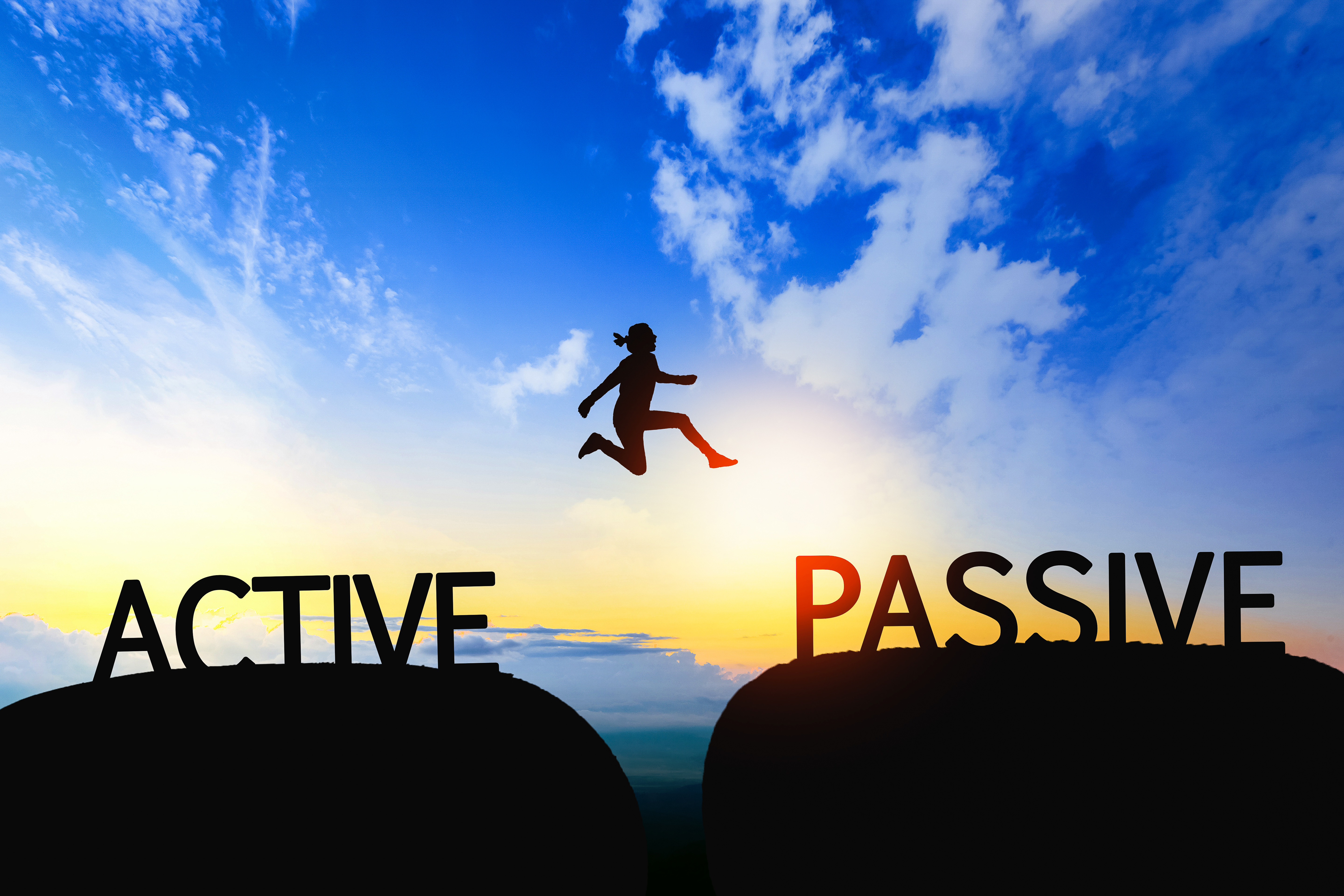
It may look like I’m taking my disorder passively. I stay in bed a lot. I seldom leave my house. It’s true I don’t exercise or go out with friends or hike in the woods or volunteer at a charity or arrange spa days for myself or sleep under a weighted blanket. Those may be good, proactive things that people can do in terms of elevating mood and practicing self-care. But I don’t do any of those.

I do all the “required” things, like visiting my psychiatrist regularly and taking all my meds faithfully. But when it comes to more active practices, I fall far short of the “ideal.”

It may look like I’m passive, but in reality, fighting bipolar disorder is a constant struggle for me. It just mostly happens inside my head.

First, there’s tracking my moods. This takes an active awareness of my behaviors and what they may be telling me about my moods. If I find myself spending more money than usual, I may realize I’m drifting into hypomania. If I can’t laugh at jokes anymore, I may be headed towards depression. If I receive an unexpected bill and start to feel overwhelmed, I may be in line for an anxiety attack.

Even activities that seem ultimately passive or ordinary may require positive activity for me. Answering a phone call may take a lot of effort, even if I know it’s a friend calling. Going to the grocery, as mundane an activity as possible, can take a lot of effort on my part – getting out of bed, getting showered and dressed, going out of the house, choosing from the many options at the grocery, carrying my purchases indoors. These are actions that may not seem related to my mental health, but are. And I must struggle internally with doing them. It takes up psychic energy, not just physical.

And what about seeing my psychiatrist and taking my meds? These, though they may seem minimal, are not passive actions either. As with grocery shopping, I must convince myself – even force myself – to keep track of my appointments and show up at them bathed and clothed. I must monitor how much of my meds I have left and pick up refills. (Or order home delivery for meds and groceries, if possible.)

When even the smallest efforts seem to take too much, well, effort, trying to accomplish them is at heart a mental battle – to think of what needs doing, convince myself I need to do it, plan for it, prepare myself to do it, attempt to do it, and, if I fail, try again later.

Lying in bed may seem the ultimate in passivity, but there can be a constant, very real struggle going on. On one hand, there’s trying to get to sleep and stay asleep. On the other hand is the struggle to get out of bed and do something – anything. Even if my struggles aren’t successful, that doesn’t mean that I am passive. They can be exhausting (though not enough to sleep). They can require tremendous mental effort, which is sometimes more difficult than the active kind for a person with a mental disorder.

So, no, I am not taking bipolar passively. I am fighting to get through it, to conquer it, to keep it at bay, to not let it win. Giving up would be the ultimate passivity, and I’m not going to allow myself to do that. I will continue struggling with my disorder as best I can, determined to do all I can to meet it actively, with intention, and with repeated efforts if necessary. And not beating myself up when I find myself being reactive rather than proactive. It’s important for me to remember that I’m doing the best I can with what I have. And that I dare not be truly passive when it comes to my mental disorder, lest it take over again.

Keep This Blog Alive!

Choose an amount

¤2.50
¤5.00
¤10.00

Or enter a custom amount

¤

Your contribution is appreciated.

Donate

The Time I Was (Sort of) Hospitalized

When I was a teenager, being hospitalized for mental illness was a big joke. The local facility was located on a street called Wayne Ave. Wayne Ave., despite whatever else was located there (a pizza restaurant, I think), was shorthand for “crazy.” (This was no doubt an annoyance to people who actually lived on Wayne Ave., of which there were many. Now the former mental facility is a Hospice.) I knew by then that I was mentally unbalanced, but it never occurred to me that I would end up in Wayne Ave. It was an address used only to tease other kids, which was uncomfortable enough.

By the time I got to college, I was aware that I was in trouble, mentally. I had turned down the offer to see the school district psychologist in high school, delusionally afraid that it would show up in my permanent record and prevent me from getting into a good (or any) university.

I did, however, get into a very good university. (No idea if they took my lack of mental health treatment into consideration.) But by this time I was really suffering mentally and emotionally. I tried at least one therapy group, but was able to breeze through it without making any notable progress, thanks to my ability to “act normal” for an hour at a time.

Still, I figured it was just a matter of time until my mental disorders manifested themselves sufficiently to be generally noticed. Maybe even noticed enough to be diagnosed. And I was waxing delusional. I felt sure that at some point in my life I would be hospitalized for my illness. I just wanted to make it through college and work at a paying job for at least two years, if I could, in hopes of getting Social Security. (I said I was delusional.)

Along the way, though, I was (sort of) hospitalized for mental illness. I say “sort of,” because I went to the university clinic, a small facility with about a dozen beds, most of them used for students with flu and the like. (There was a sort of witticism going around campus: It’s a short trip from Willard Straight (the student union building) to Willard State (the nearest psychiatric facility). Again, going to a psychiatric facility was considered a joke.)

I was nearing the end of a disastrous relationship, self-injuring, self-medicating, and vaguely suicidal. I checked in to the campus clinic. I don’t remember much of it, my brain obviously not working too well at the time. I had to tell them I wasn’t really suicidal, or else they would have called my parents, which I definitely didn’t want.

I do remember a nurse who would look in on me as I lay in bed crying. I don’t remember what if any treatment they prescribed. In my memory, mostly they just let me cry.

One very peculiar thing happened, though. The man of the disastrous relationship “checked me out” for an evening (much as you would check out a library book) to go to a dinner with someone in editing or publishing that he thought might help me get that coveted job after college. I don’t remember the dinner being a hit, and of course no job ever came from it. Then I was checked back into the clinic for a few more days of crying. I don’t remember how long I stayed or why I was finally released. It was altogether a peculiar experience, and the gaps in my memory have swallowed most of it.

I don’t think it actually helped me at all, other than to confirm to me that I was indeed ill, with some kind of mental disorder, and to reinforce my delusions. It also, I think, hastened the dissolution of that relationship, which proved to be a good thing in the long run. Was it all a ploy by the boyfriend to establish that I was the “sick one” for the purposes of couples counseling, which I had convinced him to try at one point? I’ll never know.

But since that time, I have never been hospitalized for my bipolar disorder. I have been properly diagnosed and treated. I now take psychotropic meds faithfully and see a therapist. I have been working for decades (except during a major depressive episode, when I learned how hard indeed it is to get Social Security for a psychiatric disability).

I suspect my hospitalization was far from typical. After all, it was dozens of years ago and not in a dedicated mental hospital or ward. I can’t say whether it helped me or not. But it’s an experience I never want to repeat – and, at last, something I never expect to endure again.

One-Time
Monthly
Yearly

Keep This Blog Alive!

Keep This Blog Alive!

Keep This Blog Alive

Choose an amount

¤1.00
¤5.00
¤10.00
¤2.00
¤5.00
¤10.00
¤5.00
¤15.00
¤20.00

Or enter a custom amount

¤

Your contribution is appreciated.

Your contribution is appreciated.

Your contribution is appreciated.

DonateDonate monthlyDonate yearly

Following My Moods

When I was a teen and undiagnosed with bipolar disorder, I had a weird reaction to people around me – I would pick up their moods and personalities and found myself mimicking them. I suppose it was a way for me to try on other personalities that I might someday integrate into my own, when I was stable enough to do so.

When I was a little older, I began journaling, which quickly turned into blogging. My journals were repetitive and boring, consisting mostly of “Felt depressed. Went to post office.” It didn’t seem helpful to me, though I know journaling is helpful to a lot of people. It helps them express what is happening to them and how they feel about it. In that way, it’s like a diary. Going back over a journal after, say, a year or so of writing (not necessarily every day) can help a person track their moods and their triggers. People can note their physical surroundings and emotional response and note whether seasons or weather, food and drink, interactions with certain persons, or other life circumstances have an effect on their moods and can help identify events that bring on depression or mania.

There are variations of this. One friend of mine used Facebook as his “diary.” He would look back through a year of his posts and conversations to determine when depression had struck him (there were fewer posts during those time periods).

In my own case, my husband and I have noticed that our moods follow each other’s. When I am depressed for a few weeks, he becomes depressed, too. When I am hypomanic, his mood lifts and he finds more joy in his own life. We do things together, like baking or watching our favorite TV shows together or going for day-long or even weekend getaways.

The same is true the other way around. When Dan is depressed or angry or just plain surly, I find it extremely difficult to maintain even a level mood. His mood creeps in and takes over mine. I sometimes try to maintain a level mood when this happens, but it is very difficult. I find myself struggling not to lose whatever peace or joy I have. I find myself frustrated by his depression or annoyance, to the point where I want to tell him to snap out of it. (I try not to do this. It doesn’t help anyway.)

If we both hit lows at the same time, or experience anger simultaneously, it gets fairly ugly. That’s when we fight, or both retreat to our rooms, or spend time away from each other, indulging in our own pursuits. Admittedly, such contemporaneous moods don’t hit very often, but when they do, it’s hell.

Both of us have learned techniques to respond to these “following” or simultaneous moods. We generally need more space or alone time. We ask each other for what we need and if the other is able to give it (hugs, for example). We offer what we are able to do, if there is indeed anything we realize might help.

Mostly, though, we just wait for the moods to pass and for both of us to return to a level state. I continue taking my meds and writing my blogs.

Interestingly, it was my husband who first noticed these “following” moods. Over the years, he has become pretty perceptive about both our feelings. It may help that he has studied and even worked in psychological settings for a while (no, that’s not where we met), but I think his real education has been living with me for almost 40 years. In all that time, you begin to notice patterns.

At one time my blogs did record my day-to-day (or week-to-week) feelings and actions. Sometimes they still do. But anymore, I find myself exploring other aspects of bipolar disorder and mental illness in general. I don’t believe I’ve said all there is to say about my feelings and symptoms, but this blog has allowed me to stretch out and consider the wider world of mental health.

Apparently, my husband is getting better at it too.

My Unrecognized Mania

I thought I had managed to avoid mania for most of my bipolar life. Brief bouts of hypomania, maybe, but never the real thing. Then I thought back on the last year and a half.

For years I had been trying to write a mystery novel, but a year and a half or almost two years ago, I really kicked it into high gear. I wrote. I rewrote. I tweaked. I outlined. I thought of names for my characters and backstories for them. I mapped out on what day of the week each event happened. I even looked up the weather and sunset time for a certain, pivotal day. I showed the first four chapters to volunteer readers.

Then I decided it was done enough and ready for the world. I started in December, sending out three queries a day to publishers and agents. I was undeterred by the rejections. I knew that many famous authors had been rejected dozens of times before they were published. I sent out 180 queries. It was like my brain was popcorn, exploding with ideas and determination and optimism.

I got the expected rejections, of course. Many, many of them. Most were of the “This is not the right book for me/us. Agents’ opinions differ. You should keep trying” variety, which only egged me on. Surely there was an agent out there for me somewhere.

At last, I got two responses that showed the agents had clearly read the sample chapters. They commented on the substance of my work and told me what needed “improvement.” My eyes were opened. They were exactly right. My book contained serious flaws and was by no means ready to be published.

So, that was about six months or more “wasted” on hypomania. In addition to the obsessive (though futile) attempt to make contact with 180 agents, I had other symptoms of mania or hypomania. I had delusions of grandeur. I thought my book would be published and make a splash. I imagined it might win an award for “Best First Novel” from a noted mystery organization. I even imagined the phone call to tell me that I had won.

No one noticed that I was hypomanic. My husband thought that I was somewhat obsessed, but he felt his duty lay in offering me encouragement, rather than bursting my pretty balloon.

My symptoms backed off.

Then, just a few months ago, Dan and I discovered that we were due to come into a sum of money. We immediately started planning what to do with it, and part of that plan included overseas travel. My hypomania kicked back in. For several months now (though we haven’t gotten the money yet), I fell into a frenzy of planning. And I spent money.

I bought small things, but lots of them. Books of maps and guidebooks. Little pill cases for daytime and nighttime meds. Rain gear. And more – despite the fact that the trip is still at least seven months away.

And I prepped. Oh, how I prepped. I used those guidebooks to plan routes and sights to see, trying to balance the route between things that might please my husband and things I had seen before and wanted to revisit. I googled to find out how distant each b-n-b was from the various attractions, and how far the attractions were from each other. I planned where we would go on each day and how much time it would take to drive, so I would know when we had to check out of our accommodations.

And I researched the country and foreign travel. Were masks required? What would the weather be like? Where could we change money? How much cash would we need to carry? Would ATMs work with our credit cards? Were they even accepted at most venues? Would our banks charge a foreign transaction fee? Could our cell phones both work abroad and call back to the States? What days and months were some destinations open? Would they acknowledge my handicapped parking pass?

None of this was actually harmful, except maybe the money and time I spent. In fact, much of the obsessing was enjoyable. It’s been my habit in the past to research the places I was traveling, buying guidebooks and other useful things. But this was more than that. I felt internal pressure to make this trip as perfect as it could possibly me. I was planning the Bataan Fun March.

Recently, I snapped out of it and talked it over with my therapist. She affirmed that I was indeed having hypomania, though not a very destructive kind, except maybe the spending. Since then I have barely touched the guidebooks and schedules. I haven’t googled anything.

I must admit, though, that the feeling of accomplishment in both cases was quite enjoyable. I see why people romanticize hypomania or mania and even long for it to happen. It does increase energy and allow one to plan, even if mistakenly. I knew from seeing another manic person in my former workplace that mania seldom accomplished anything of lasting value. I suppose the lesson I must take from these experiences is that I should learn to recognize the signs of mania and try to drag myself back down to earth before I do something I’ll truly regret. That will involve my prescribing physician, my therapist, and my husband (once he realizes that I am getting manicky), all in an effort to get me back to a place of self-control.

But of course, we know that’s not really how bipolar disorder works.

Another Kind of Depression – Dysthymia

Of all the types of depression that get discussed – major depressive disorder, exogenous depression, endogenous depression, bipolar depression – there’s one type that isn’t talked about very often: dysthymia. The word comes from Greek, where it is made up of dys (bad or ill) and thymia (mind or emotions). But in clinical terms, dysthymia has a more exact meaning than “ill humor” or “bad mood.” I had always assumed that it came along a scale of severity that ranged from major depression through dysthymia to stability to hypomania to mania. It could be that I was mistaken.

Johns Hopkins Medical has this to say: “Dysthymia is a milder, but long-lasting form of depression. It’s also called persistent depressive disorder. People with this condition may also have bouts of major depression at times.” So, it’s milder, but long-lasting, persistent, and may occur in people with major depression. Not very specific, is it?

Johns Hopkins also notes that to diagnose dysthymia, “an adult must have a depressed mood for at least 2 years (or one year in children and adolescents).” The Mayo Clinic also refers to it as “Pervasive Depressive Disorder.”

Dysthymia seems like a “squishy” diagnosis, as the signs and symptoms overlap so greatly with major depressive disorder.

Garden-variety depression or “Major Depressive Disorder,” again according to the Mayo Clinic, “affects how you feel, think and behave and can lead to a variety of emotional and physical problems. You may have trouble doing normal day-to-day activities, and sometimes you may feel as if life isn’t worth living.” The risk factors and symptoms of the two disorders are virtually the same.

However, major depressive disorder, according to multiple sources, must last around two weeks, while dysthymia lasts for two years or more. Personally, I can’t see how this is called “milder.” Alternating between the two conditions is sometimes referred to as “double depression.”

I have thought of dysthymia as milder, and perhaps it is what I have now that my depression is pretty well controlled by medication and therapy. I no longer have extreme symptoms such as the self-harm and suicidal ideation.

Then again, one of my major depressive episodes lasted three years or more, with no visible letup. Was that relatively mild? It sure as hell didn’t feel like it.

Perhaps it doesn’t matter what you call it. The experience of the disorder seems to me more important than the label put on it. I haven’t looked the conditions up in the DSM (I don’t have a copy). But all my life I have been diagnosed with depression or major depression (before my diagnosis was changed to bipolar type 2 with anxiety, and it seems pointless now to call myself dysthymic. Maybe I’ll ask my psychotherapist when I see her next week if she can shed any light on this confusing nomenclature. Maybe she’ll have a handle on which of these I technically have.

However you want to name it or frame it, though, I have – and probably have had since I was a child – some version of the disorder, and have applied the treatments for it (meds and therapy for both), and now experience occasional episodes of the “milder” version, though they certainly don’t last two years.

In a way, I wish the various authorities would make up their minds and quit changing the labels. In another way, I don’t care what the labels are (unless they affect insurance companies and what treatments they allow). I experience this disorder in the way that I experience it. Most of the time I simply call it depression, and I don’t see how it helps to subdivide it. When I hit rock bottom, I call it a major depressive episode. When I’m relatively stable, I call it “in remission.” These may not be the technically correct terms, but they’re what make sense to me.

I don’t know whether other people with bipolar disorder make these fine distinctions, or simply think of their shifting moods as lows and highs, depression and hypomania or mania, or whatever.

But do we really need more labels? Isn’t lived experience good enough? Does the definition affect how our doctors treat us? Are there going to be more subdivisions in the future (a trend which seems particularly rampant right now, as with autism, Asperger’s, high-functioning, low-functioning, and more and more variations)? Does what we call it really help anyone get better?

Maybe I’m wrong here, but I don’t think so.

Mind and Body, Again

We know that the body affects the mind affects the body in various ways, especially when it comes to mental illness. Many of us who live with anxiety, bipolar disorder, or another condition experience physical symptoms like tremors, nausea, hives, and diarrhea.

The last one is my particular curse, which no one wants to hear about, but there you have it. Or rather, there I have it.

I didn’t even know that this was a problem related to my mental state for many years. All I knew was that whenever my mother or father was taken to the hospital, I would invariably and eventually find my guts in an uproar – usually when I got home, but sometimes in the waiting room. I thought that my bowels were my “attack organ,” as the saying went, and that I was merely reacting to the stress of the situation.

Of course that was true, but it never occurred to me that this was not just a physical problem, but a mental problem manifesting physically. At the time I was undiagnosed with bipolar disorder and knew little about the condition or how the mind and the body were connected.

The severity of the problem was impressed on me years later, when I was having severe anxiety, just after coming out of a severe and lengthy spell of depression. The more anxious I got, the more episodes I would have, sometimes up to six times a day. I lived with Immodium within easy reach at all times. During the worst of it I didn’t dare to leave the house. When I applied for disability, it was this affliction as much as my bipolar disorder that was the basis of the case.

Naturally, I told my primary care physician about the problem, and he sent me to a gastroenterologist. The specialist thought I might have Irritable Bowel Syndrome, but then again he wasn’t sure and didn’t seem to give it much more thought.

My psychiatrist, though, had a different idea. He suggested that the upset in my guts was caused by upsets in my mind – not that I was imagining it (there was ample evidence that I wasn’t), but that my nerves were overstimulated by anxiety and that caused my gastric symptoms. It was a feedback loop – anxiety caused diarrhea caused anxiety and so on and on.

I don’t know if it was the anti-anxiety med he gave me or if my anxiety just calmed down on its own, but the episodes became fewer and less frequent. I no longer stayed strictly at home, within easy reach of a bathroom, or feared going out. (I did make sure I knew where the bathroom was any place I did go.) I even stopped carrying a change of underwear in my purse. And my disability claim was denied. (I was also making so much money at my at-home freelance work that my lawyer said the judge’s head would explode.)

I still get anxiety-related diarrhea at times, but nothing like the biohazards I used to have. It’s no longer an everyday (or many-times-a-day) occurrence. I still do keep a supply of Immodium in my desk, my purse, and the bathroom, though, just in case.

I hesitated before writing this post, as it’s a difficult and unpleasant topic. But I know that a suffering mind can make the body suffer too, and I thought there might be people out there who have similar problems and needed some reassurance that they weren’t the only one. I don’t know what your “attack organ” may be or what your particular symptoms are, but do keep in mind that the interaction of the mind and the body can produce unwanted results. And that you are not alone in dealing with that.

Why CBT Isn’t for Me

It’s been suggested more than once that CBT, or Cognitive Behavioral Therapy, might help me with some of my problems, including “depression, anxiety disorders, marital problems, and severe mental illness” (bipolar disorder, in my case), according to the American Psychological Association (APA). And I understand that it’s helped a lot of people, including some in my position, with some of the same problems I have. If it works for you, that’s great. I’m not saying that no one should ever use it or that it’s a rotten form of therapy.

I, however, dislike the premise of CBT and have never felt comfortable trying it. Here’s why.

One of the basic tenets of CBT is that the client’s thinking is faulty and the therapist helps the client to discover how and where. Then they work together to pinpoint the faulty thinking and replace it with healthy behaviors, or at least less destructive ones.

Again, according to the APA, “CBT treatment usually involves efforts to change thinking patterns” and examine “what is going on in the person’s current life, rather than what has led up to their difficulties.”

When I first got into therapy with the counselor who has helped me the most, what I needed was not someone to convince me that my thoughts were faulty. I had worked hard to reclaim my memories, validate them, and recognize that they really were damaging events. I would resist any attempt to undo that work by invalidating those memories, and my attempts to understand them, as “faulty.”

Despite all the times it has betrayed me, I think my brain is the most powerful weapon I have in moving forward, but that does not include denying the past or brushing it aside in favor of what the APA calls “learning to recognize one’s distortions in thinking that are creating problems, and then to reevaluate them in light of reality.” Evaluating the memories and the thinking associated with them is a large part of what has helped me most, but calling them “distortions” would not be helpful. I needed to reclaim those memories and understand the feelings, accept them for what they were and how they changed my life, and then go on to rebuilding a new life – not one free from those memories and feelings, but one that validates them as part of my lived experience.

The methods used in CBT discomfort me as well. The idea of “homework assignments” and role-playing my future interactions does not appeal to me. I have gotten on much better with good ol’ talk therapy (and medications) than I believe I could with body relaxation and mind-calming techniques.

My problem largely involves confronting my memories and not denying them or downplaying them, but learning how to live despite having them in my past. It does me no good to deny a train-wreck as “faulty thinking” or to dismiss it as part of my past. Owning it as part of my past and realizing what it did to me is much more helpful. Validating my feelings and reclaiming my memories, then moving beyond them, is what I need. My therapist has helped me do that, without ever once suggesting that my thought patterns are faulty. We’ve worked on coping skills, sure – but never based on the premise that my past doesn’t affect my present or future.

CBT is also said (by NAMI, the National Alliance on Mental Illness) to be a short-term process (which I’m sure the insurance companies love) or one that can be carried out without a therapist guiding it. To me, this smacks of the “think away your troubles” idea. If I could have, I would have, without the help of long-term talk therapy.

My therapy has been a long and often painful process, but never one that attempts to make me think that my memories are invalid and that my progress will come by admitting that. Talk therapy is hard work, and I don’t believe there is any shortcut to mental health. Even now, after I have largely ceased therapy, I sometimes need a “booster shot” when my problems become overwhelming. Again, this comes from recognizing that my problems are real and that thinking them away rather than hard work is not the answer.

I am sure that people will tell me that I have misunderstood CBT, what it is all about, and how it is practiced. They may have many good experiences with it. But I don’t want to take a chance on a form of therapy that denies my reality and dismisses it as “unhelpful thoughts.” I need my reality heard and validated and examined. I need depth and breadth of therapy that recognizes my “train wrecks” and to what degree they have left me wounded. I need coping mechanisms that acknowledge my past as part of what going forward may mean.

I don’t trust CBT to do those things.

Coming Down From a Manic Jag

I have been manicky lately, and it has expressed itself, as it does for so many people, with spending money we don’t have. Or at least spending money we’re supposed to be getting but don’t have yet on things which we can’t afford until we get it.

The thing is, we have a nice lump sum of money coming, but we don’t know when it will arrive. And instead of sensibly waiting for it to arrive, I have already begun spending it. A new-old truck for Dan; passport applications for us both; tattoos for us both; concert tickets; clothes and maps and guidebooks and airline tickets for a trip we plan to take next year; a short getaway vacation last week; gardening and home improvement supplies. Just to name a few.

All this leaves us very little for necessities like mortgage, electricity, internet (essential for my work), and even food. We can probably live on our credit card for a while, but I know that’s only a temporary solution, and a bad solution at that, even though the credit company increased my credit limit so we could pay for the airline tickets.

Of course, I am mostly responsible for all this spending. Some of the expenditures wouldn’t wait – the airline tickets, which we had to buy immediately to lock in the current price, and the passports, which I understand can take months to arrive and we shouldn’t wait till the last minute to apply for.

But for other purchases, Dan has been enabling me – “You know you want to go hear Emmylou Harris,” for example. “She’s one of your heroes.” “Might as well get the ticket for Rodney Crowell, too. How likely is it that he’ll be playing in this area again, at least anytime soon?”

Now the proverbial chickens are coming home to roost. Last week I had to deal with a guy at the door who was there to shut off our electricity unless I gave him a check for the past-due balance on the spot. The credit card company may come to regret the limit increase. I’m sure they gave it to me because I regularly paid them more than the amount due, and I can’t do that anymore.

I realize this is relatively minor compared to some spending jags that people in the manic phase of bipolar have gone on – gambling debts, for example, and even ones that end in homelessness. But the spending adds up, and we are strained past our limit until that windfall finally arrives.

Naturally, because that’s the way things go, now that I have come to and realized the reckless spending, it has triggered my anxiety. Financial troubles have always been one of my triggers, but it’s appalling to realize that I have dug this hole myself.

And naturally, because that’s the way things go, that anxiety triggers my depression – maybe not a full-blown depressive episode, but enough to affect my life and actions. I isolate. I grow surly with my husband. I have trouble sleeping or sleep too much.

In truth, I am angry with myself and with this damned disorder. When I get manicky, I generally am able to limit my spending to amounts of $25 or less, if sometimes for several such items (or meals). But this time I have overwhelmed myself, and my husband as well. I know we’re not supposed to use bipolar disorder as an excuse for bad behavior, but I can’t help thinking that hypomania is involved at some level. The idea of live music and foreign travel were just so irresistible. I couldn’t make myself wait until a better time.

We’ll get through this, I know. Someday the expected check will come and I can start straightening out some of the mess I’ve created. But until then, anxiety and depression will be my companions. I hope the mania stays fully tamped down until then. At least, I’ll take my meds and hope so. And not skip my therapist appointment in a week and a half. We haven’t had much to discuss lately, but now I’m sure we do.