Bipolar 2 From Inside and Out

Posts tagged ‘public perception’

The Difference a Diagnosis Makes

Is a diagnosis of mental illness a bad thing or a good thing? It depends on whom you ask.

On one hand, some argue that a diagnosis is merely a label. It puts people into neat little boxes defined by the DSM and determines how society reacts to and treats them. (The DSM, of course, is for doctors, but some version of what it says sneaks out into the general public. Then it’s fair game for tossing around and labeling people by the uninformed or the barely-informed.)

The labels are harmful, this school of thought goes. A schizophrenic is violent and incurable. Bipolar disorder means daily giant mood swings and real danger if said person goes “off their meds.” Narcissists, gaslighters, and sociopaths are people who act in any way that you don’t appreciate. Autism, notoriously and according to people who should know better, is the gateway to a valueless life.

With diagnosis come stereotyping and shame. Rather than reacting to these harmful effects, some people focus instead on what creates the stereotyping and shame—the diagnosis, which is seen as a lifelong label. Protests decrying this labelling happen outside psychiatric and psychological gatherings and garner media attention. And if that makes life easier for a person with a diagnosis or generates greater understanding, then it’s a good thing.

Diagnosis-as-label is an example of the harm that diagnosis can do. Nor is it limited to the general public. Once a person is in the system with a diagnosis of whatever condition, they’re generally stuck with it. Reassessment and a realization that a diagnosis is misapplied come too rarely. Personality disorders, for example, are squishy around the edges. Similar criteria could lead to a diagnosis of narcissistic personality disorder or sociopathy, to use an extreme example. Careful consideration will distinguish between the two, but how often are such distinctions applied? Once “in the system” with a particular diagnosis, a person tends to remain in that slot despite different doctors and different treatments.

But that’s not the way it’s supposed to be. A diagnosis, rather than being a lifelong label, is meant to be a signpost pointing toward likely development of the illness and ways to treat it successfully. That’s the ideal, of course, and sometimes, being only human, practitioners can get sloppy or too narrowly focused and add to the ills of bad diagnosing.

I can truly speak only for what happened to me. At a certain point in my life, I didn’t know what was wrong with me, but it was clear to me that I was not mentally healthy, the term used at the time. I went to a community mental health center and was diagnosed with major depression. That was a good diagnosis, as far as it went. It put my life more squarely in focus and allowed me to get the medication and therapy I so desperately needed.

I lived for many years with that diagnosis and was considerably helped by the treatments for it. But, eventually, a doctor put together the puzzle pieces and rediagnosed me. Instead of having depression, I had bipolar disorder, type 2, with anxiety. This diagnosis more clearly reflected my symptoms and led to more effective treatment. In that way, one diagnosis improved my life, and a second, more accurate one improved my life more. I can only think of this as a good thing.

Was the diagnosis seen by some as a label and a stereotype? Of course. I can think of one particular coworker, hearing that I was bipolar, gave me the look that said, “You have two heads,” pasted on a strained smile, and backed away slowly. But, on the whole, the diagnosis helped me.

A recent article in the New York Times had this to say about diagnosis: “The shame that once accompanied many disorders has lifted. Screening for mental health problems is now common in schools. Social media gives us the tools to diagnose ourselves. And clinicians, in a time of mental health crisis, see an opportunity to treat illnesses early….As our diagnostic categories expand to include ever milder versions of disease, researchers propose that the act of naming a malady can itself bring relief.”

It’s something to hope for, anyway.

Brian Kilmeade’s Apology

On Sept. 10, Fox News host Brian Kilmeade was having a discussion with his co-presenters on the show “Fox & Friends,” discussing the death of a woman in North Carolina, who was said to have been stabbed by a man who was both living in a homeless shelter and reportedly mentally ill at the time.

Kilmeade’s cohost, Lawrence Jones, expressed the opinion that people like the accused man who refuse treatment for mental illness should “be locked up in jail.” Kilmeade replied that they should be subjected to “involuntary lethal injection.” Euthanasia, in other words. Death not for the murder, but simply for the “crime” of being mentally ill and unhoused.

Refusing treatment for medical conditions, including mental illness, is still a right, although there is an alternative in place in many locations—AOT, or Assisted Outpatient Treatment—a procedure with safeguards and rules that benefit a person who doesn’t recognize their own incapacitation. Apparently, Kilmeade has no knowledge of such programs—nor, I suppose, should we expect him to, as he’s one of the hosts of an entertainment talk show.

The talk of getting the homeless mentally ill off city streets is in service of the growing clamor to get rid of “useless” people by one means or another—jail, “wellness farms” (as proposed by Secretary of Health and Human Services Robert F. Kennedy, Jr.), institutionalization, or, apparently, summary execution. The unhoused and mentally ill are seen as a drag on society, consumers of resources who do not produce anything of value. Their problems are attributed to “bad choices.” They are thought to be not worth the money that society spends on them and their indolent, nonproductive lifestyles.

I don’t know about you, but I took this personally. I’m far from homeless, and I have been productive and earned a living, but I am mentally ill. And it’s only a short step from threatening the unhoused mentally ill to threatening the mentally ill themselves with involuntary euthanasia. (I’ve read the Martin Niemöller poem. They could conceivably come for me, too.)

Mr. Kilmeade apologized during another episode of “Fox & Friends” and posted a video of the apology on social media. “I am obviously aware that not all mentally ill homeless people act as the perpetrator did in North Carolina,” he said. “And that so many homeless people deserve our empathy and compassion.” (Not all, note.)

Sorry, but that’s too little too late. Forgive me if I doubt the sincerity of the apology and attribute it to a backlash from the public, or maybe from his bosses realizing that he had stepped over a line.

I, for one, do not accept his apology. It doesn’t contain the elements of a valid apology: admission of a fault, recognition of why it was offensive, a promise never to make that transgression again, and action that will help repair the fault or prove the sincerity of the apology. For example, Kilmeade could have said that involuntary lethal injection was appalling and inhumane (indeed, illegal) and that most unhoused mentally ill people pose no physical threat to the populace. He could have said that he had learned his lesson and would never again talk about the homeless mentally ill in that cavalier manner. And he could have made a donation to an organization that helps people who live on the streets or people with mental illnesses.

I was taken to task for expressing this opinion on the timeline of someone who posted that the apology was sufficient and laudable, that it gave Kilmeade an opportunity to learn, grow, and do better. While I admit that I should have kept my opinion on my own timeline rather than responding in that person’s space, I still don’t agree that forgiveness is required. In my opinion, the person who has been injured (or, in this case, insulted and threatened) has the option to accept the apology or not. Forgiveness doesn’t come automatically just because you said, “Oops, sorry.”

And if there’s any doubt that Kilmeade made a sincere, lasting apology and learned his lesson, he recently said that “what we need to do is either leave the U.N. or we need to bomb it. Maybe gas it?…we need to destroy it. Maybe can we demolish the building? Have everybody leave and then we’ll demolish the building.” The other program hosts could be heard laughing.

I suppose it’s laudable that he pulled back from suggesting demolishing the building while it was occupied, but that’s what he first proposed. Apparently, human lives mean nothing to him unless they’re people that he approves of. And that approval is conditional, based on the people’s utility and their agreement with his political stances.

And that’s simply not enough for a sincere apology.

Is a Keto Diet Good for Bipolar?

I’m sure you’ve read the ads and articles that say apple cider vinegar is good for anything that ails you. There are also supposed “superfoods” that activate your immune system and ward off diseases. Then there are diets—Mediterranean, paleo, Atkins, gluten-free, intermittent fasting, vegetarian, vegan, low-carb, sugar-free, South Beach, carnivore, and more. Each of them is supposed to be good for your body or some part of it. And that may be true. I can’t say that one or another is good for everyone.

But what about people with bipolar disorder? A quick Google tells me that Omega 3, folic acid, probiotics, magnesium, walnuts, whole grains, CoQ10, tryptophan, Vitamin D, Vitamin B12, Vitamin C, and Acetylcysteine (which loosens thick mucus) are recommended nutrients for us.

But the diet (or eating plan) I’ve heard the most about in relation to mental disorders is the keto diet.

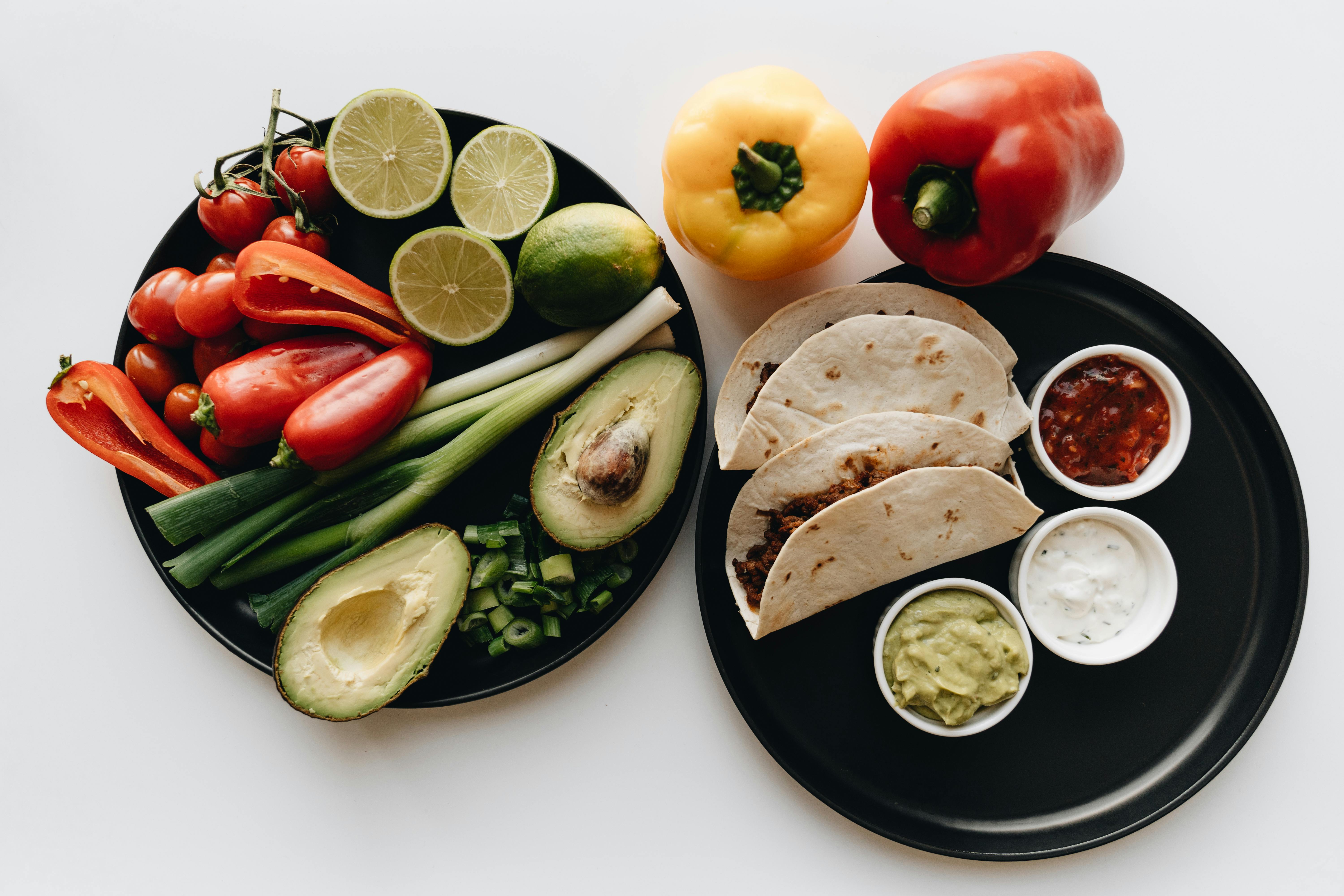
First, let’s look at what the keto diet actually is. It involves consuming a very low amount of carbohydrates and replacing them with fat to help your body burn fat for energy. That means you should avoid sugary foods, grains and starches, most fruit, beans and legumes, root vegetables and tubers, low-fat or diet products, unhealthy fats, alcohol, and sugar-free diet foods.

What’s left? Good fats like avocados and EVOO, as well as meat, fatty fish, eggs, butter and cream, cheese, nuts, seeds, low-carb veggies, and herbs and spices. This diet is supposed to be good for people with neurological disorders like epilepsy, heart disease, cancer, Alzheimer’s, Parkinson’s, and traumatic brain injuries.

Lately, however, the keto diet has been investigated as being good for mood disorders including depression and bipolar disorder.

Healthline reports that, based on the idea that a keto diet is good for those with epilepsy and that anti-seizure medications are often used to treat bipolar disorder, “during a depressed or manic episode, energy production slows in the brain. Eating a ketogenic diet can increase energy in the brain.” Also, the keto diet lowers the amount of sodium in the cells, which is partially the way lithium and other mood stabilizers work. They note, however, that very little research has been done on this theory.

However, UCLA Health is planning such a study. They note that, while most previous studies have focused on adults, the new study will include youth and young adults who have bipolar disorder. Participants will go on a ketogenic diet for 16 weeks while continuing their usual medications. Dieticians, psychologists, and psychiatrists are involved and there will be daily blood tests measuring metabolic indicators. In the future, the researchers say, they will compare the keto diet with another meal plan such as the Mediterranean diet.

Stanford has conducted a pilot study on the ketogenic diet. They say that, in addition to improving metabolic conditions, the diet improved patients’ psychiatric conditions and metabolic health while they continued with their medications. The results, published in Psychiatry Research, said that dietary interventions such as the keto diet may assist in treating mental illness.

A French study that was reported in Psychology Today focused on people with major depressive disorder, bipolar disorder, or schizophrenia. Symptoms improved in all the participants who followed the diet for more than two weeks. Almost two-thirds were able to reduce their medication.

There seem to be drawbacks to a keto diet, however. Healthline also notes that the diet can lead to shortages of vitamins B, C, and D, as well as calcium, magnesium, and iron. There can also be digestive difficulties such as nausea, vomiting, and constipation. They recommend supervision by a physician. Other people report mood swings related to the keto diet.

The advice from WebMD is that there is “insufficient evidence” to recommend the diet as beneficial for mood disorders. They don’t recommend it as a treatment option. As with any diet plan, consulting your doctor first is a good idea.

As for me, I have my doubts about currently (or formerly) trendy diets and superfoods, though the Mediterranean diet sounds good and balanced to me. Am I likely to try the keto diet? Well, I would miss bread, fruit, potatoes, and sugar-free products. Stocking up on meat, fish, avocados, cheese, herbs, and spices I could manage rather easily. But until more results are in from the various studies, I probably won’t change the way I eat very much.

As always, Your Mileage May Vary.

Advice from the NYT

On December 30, 2024, the New York Times offered an article: “10 Ways to Keep Your Mind Healthy” in 2025, by Christina Caron and Dana G. Smith. Now, I’m not saying that their advice was bad. I’m just saying it didn’t go far enough. All of their recommendations are things we already know. Someone with a simple need for better mental health may get something from the article. But for someone with a mental disorder, it’s inadequate. Here’s what they said.

1. Move your body.

“If you’ve heard it once, you’ve heard it 1,000 times: Physical activity is one of the best things you can do for your brain.” Well, we have heard it 1,000 times. The Times notes that people feel better after a workout, but that ones who have a consistent exercise routine, there’s less risk of depression (and dementia). They attribute this to better blood flow and connections in the brain. This is hardly revolutionary advice.

2. Address your anxiety.

Easier said than done. NYT says: “Many Americans are anxious.” They suggest the following solutions. Face what makes you anxious to break the pattern of fear. They say that you can do this kind of exposure therapy with or without a therapist.

They also recommend that you focus on your values rather than anxiety. I’m not sure how this is supposed to work. One suggestion they give is to volunteer in your community. Then they advise that you not catastrophize—but they don’t tell you how to do that, except for journaling about whether you had an appropriate amount of worry compared to the situation.

3. Challenge your brain.

The authors note that this is “still up for debate,” but they say that crossword puzzles, reading, and brain games “can’t hurt,” especially regarding dementia. The most definite thing they way is that such pursuits “can’t hurt.” A professor of psychology adds that “chances are that’s probably good for your brain.” But “good for your brain” is a long way from mentally healthy.

4. Get a good night’s sleep.

Lack of sleep “can affect how they experience stress and negative emotions. They might also be more likely to ruminate, be quicker to anger, have more negative thoughts or find it harder to cope with stress.” Those are serious symptoms, and for once, the NYT recommends actual therapy—Cognitive behavioral therapy for insomnia, or C.B.T.-I. They note that it is more effective than medication. At last, some useful information!

5. Get unstuck.

Good idea, but how to do it? According to the NYT, you should conduct a “friction audit.” which basically means identifying your problems and trimming them away, whatever that means. They also recommend “futurecasting,” or imagining you aren’t stuck and what steps would get you there. “Try to do at least one step each day.” Baby steps are good, of course, but doing one per day isn’t practical for most people with mental disorders. A therapist might help with this, but the NYT is silent regarding that possibility.

6. Stay cool.

At last, something that you may not already know! “Studies show that hot days impair our cognition and make us more aggressive, irritable and impulsive.” Typical ways of cooling off are recommended: stay cool and hydrated, use air conditioning or a fan, spritz yourself with cold water or take a cool shower, or go to a nearby cooling shelter. Nothing there but obvious remedies.

7. Quiet your inner critic.

If only we could! The inner critic is a real thing, and it makes you miserable. But the trick is how to do it. The authors suggest “letting go of that nagging feeling…and giving yourself credit credit for what you accomplish.” They do quote a psychology professor who suggests using “you” or your name rather than “I” when you engage in internal dialogue, which I take to mean affirmations.

8. Take care of your physical health.

This sounds good; the body and brain, of course, are interrelated. The NYT recommends taking a quiz about your physical health that analyzes common health conditions and behaviors such as blood pressure, cholesterol, and exercise. It’s said to estimate your risk for depression, as well as dementia and stroke. But most general practitioners these days use a specific depression screening quiz with more questions particular to that condition.

9. Make a new friend.

This is a great idea. People with mental disorders need a support system which can certainly include friends as well as family. One problem is gaining the courage and social skills to make overtures. The Times notes that loneliness can increase brain inflammation that damages brain cells and the connections between them. Then the article recommends reaching out to a friend or family member, joining a club, or attending a support group. Reaching out is difficult for people with depression in particular. Waiting for someone to reach in to you is sometimes all you can manage.

10. Forgive — or don’t!

Contradictory advice? Certainly. The Times article suggests that “forgiveness is an emotional process rather than an endpoint.” So, should you or shouldn’t you? Maybe. Forgiving someone who’s hurt you may lead to fewer negative feelings, the Times says, but they also recommend a book called You Don’t Need to Forgive: Trauma Recovery on Your Own Terms by Amanda Gregory.

I know what you’re going to say: This article is intended for the general public. It makes no mention of the many things such as therapy and medication that can help you achieve a healthy mind if you have a mental disorder. That the actions mentioned are meaningful adjuncts to those interventions.

But the title is misleading. I first got treatment for my mental health when I saw a sign for a mental health clinic and realized that whatever I was feeling, it wasn’t mentally healthy. At that point I received therapy, and later was prescribed medication. And they truly helped.

I would hate to think that someone like me would ready this article and think that the suggested actions, by themselves, will make a person mentally healthy. They are great adjuncts to proper treatment but won’t solve many problems that people with mental disorders have. If, like me, your only realization is that you don’t feel mentally healthy, the article may prevent or delay getting significant treatment.

So, go ahead. Try all the advice in this article. But if you still don’t feel you’re on an even keel, seek other kinds of help.

We Don’t Talk About It

When I was first diagnosed with depression (later bipolar disorder), my family was somewhat less than understanding. My father was concerned that he might have to go to family counseling, with the implication that it would involve analyzing or blaming him. My mother informed me that Prozac, which I was prescribed, was “a ticking time bomb” and later said that she thought that if I got a better job, I wouldn’t be depressed anymore. And my sister was dismissive about paying someone a lot of money just so I could talk.

I admit that I did not handle this terribly well. I missed the opportunity to educate my family about these psychological conditions. (I did tell my sister that I was going to a community mental health service that had a sliding scale for payment.) In my defense, I was new to the concepts too, and had barely begun to educate myself about them. I did gradually learn more, but their initial reactions kept me from saying much about it to my family.

As stigma goes, this was pretty mild. They didn’t try to tell me there was nothing wrong with me. They didn’t blame or shame me for reaching out for therapy (other than my sister). But because of this, I didn’t receive much support from my family which would have made my journey easier. That only happened when I married a man who knew something about psychology and learned what would help and what wouldn’t.

Stigma can be a familial problem, but it also happens at a societal level. But mental health concerns are very low on the list of many legislators’ concerns and priorities. Some have denied that mental illness even exists or responded to it by clearing away the unhoused or creating sober houses. Mental illness is seen as a consequence of PTSD, which is talked about mostly in the context of veterans, seldom about other causes like abuse. Also, most of the fundraising for veterans seems to concentrate on limb loss and traumatic brain injury. If funds are going to specific mental disorders other than PTSD, it isn’t emphasized, despite the need.

A lot of what we hear about mental illness is about SMI or serious mental illness. And that often gets conflated with the problems of homelessness, addiction, and violence. But what about all the people with Major Depressive Disorder, Bipolar Disorder, Anxiety Disorders, Personality Disorders, and even Schizophrenia who live in homes and families, who have families of their own, and who have jobs? They’re very rarely talked about. They don’t get emergency funding. They don’t require street psychiatry, emergency housing, forced commitment, and other services that are needed for the most severely ill. They’re not high-profile.

They’re called “high-functioning” and then largely ignored, left to deal with their disorders on their own. Many of them miss out on the therapy, meds, and lifestyle changes that might help them, either because they don’t know where to go or don’t have the funds to access them. Insurance pays for quick fixes of 6-8 weeks, which are the merest band-aid on their problems. Supportive families, biological or chosen, can help them maintain their relationships, living situations, and jobs, but public attention isn’t focused on them in any meaningful way. There are ad campaigns that say “It’s okay not to be okay” and encourage friends to reach out, but they’re vague and short on what to do when you realize you need help. Hotlines focus on suicide and self-harm. They’re certainly needed, but so are resources for the day-to-day, less dramatic disorders.

Stigma, confusion, lack of education, ignorance, and even hostility keep us from the conversations that might lead to actual, useful change. Let’s open up those conversations with our families, friends, coworkers, the press, local and national government, and anyone else who’ll listen. Blogging and maintaining a Facebook group (Hope for Troubled Minds) are among my contributions to the effort.

I’ll keep trying if you will.

Weed: Yes Please or No Thanks?

I know that some people swear by the benefits of marijuana for relieving their psychiatric symptoms. They find it calms their anxiety, lifts their depression, and helps them sleep. I know others who avoid it completely. It makes them dizzy and paranoid, which isn’t relaxing at all. Which group is right? Or is either side wholly right? Is marijuana a potential treatment or a potential setback? Or do both these views have their merits?

Let’s start with a look at medical cannabis. In 1850, cannabis was officially recognized as a treatment for a variety of conditions, including gout, snakebite, excessive menstrual bleeding, leprosy, rabies, and insanity, among others. It was inexpensive, widely available, and didn’t require a prescription. But its use declined because it was difficult to control the dosage, opiate-derived medications became popular, and cannabis couldn’t be administered by injection. Recreational use of cannabis was prohibited in all states, thanks in large part to scare campaigns. Fees and regulations made it less likely that doctors would prescribe it. By 1941, it was no longer considered a medical drug. Recreational use, of course, continued. By the 1970s, marijuana was prohibited in all contexts including medical, but investigation of its medical uses increased because it was reported to help cancer and AIDS patients with pain and nausea. It was also beneficial in treating glaucoma patients. State and federal laws differed, however, and in practical terms, marijuana might or might not be available legally.

By the 2000s and 2010s, many states permitted the sale of marijuana or CBD (which is not psychoactive) for medical use, including relieving seizures in children. CBD products are legal in some jurisdictions and not in others, and enforcement varies. Laws in some places are so liberal that there are legal commercial stores on many streets.

The conditions cannabis can be used for differ from state to state, and the restrictions change frequently. It’s hard to keep up with which states allow it for what conditions. PTSD is the psychiatric illness most likely to qualify for medical marijuana use. Some doctors believe that it’s also useful for anxiety, depression, Tourette’s syndrome, and anorexia. CBD and THC (the psychoactive component) are being studied for the treatment of bipolar disorder.

The medical community cautions people with psychiatric disorders about using marijuana. One study cited by the Psychiatric Times found “a strong increased risk of manic symptoms associated with cannabis … an earlier age of onset of bipolar disorder, greater overall illness severity, more rapid cycling, poorer life functioning, and poorer adherence with prescribed treatments.” On the other hand, Medical News Today has reported that users say marijuana use has reduced their anger, depression, and tension, and created higher energy levels.

Other studies have found that marijuana use had negative results on memory, decision-making, coordination, emotions, and reaction time, as well as an increased likelihood of disorientation, anxiety, and paranoia. Some reports suggest that marijuana use makes it more “likely” that psychiatric patients will develop schizophrenia and psychoses.

So, what are the takeaways? First, the results from all these studies are generally self-reported by the marijuana users and therefore subjective. Second, now that medical marijuana is in greater use and easier to get, there may be more thorough studies in the future (much of the cited studies were done 8-10 years ago, though they were still being reported as recently as 2024).

Bipolar patients have been using marijuana to alleviate both manic and depressive symptoms and report that it works better for them than conventional medications and also alleviates the side effects of those drugs. The drug’s calming effects may help with manic symptoms and the euphoric effects may explain the relief of depression reported. But heavy use has been associated with increased symptoms, thoughts of suicide, and the development of social anxiety disorder.

Perhaps the positive effects of marijuana for bipolar disorder are influenced by the expectations of the users: If they expect it to decrease anxiety or lighten their mood, it’s likely to. Still, heavy or daily use should likely be avoided because of possible negative side effects.

My own use of CBD has been confined to legal hemp-based gummies. I have found them to produce unhelpful, uncomfortable sensations, making me unbalanced and prone to falling, which I really don’t need. But that’s me, and it’s anecdotal evidence. Another person I know experiences relaxation and euphoria with no negative side effects.

To answer the question posed in the title, my personal answer is “No thanks,” but I’m not saying that should be the answer for everyone. It looks like a case of “Use at your own risk.”

The Narcissism Trend

Gaslighting was the most recent trend in pop psych. Now it’s narcissism. I even wrote a post called “Is It Narcissism or Gaslighting?” Just recently, I’ve seen posts titled “Why Are Narcissists So Cold Hearted?” “5 Clear Signs You’ve Beaten Your Narcissist,” “Narcissists Hate These 5 Weird Tricks,” “The Narcissist’s Game of Twisted Loyalties,” and “How Narcissists Disconnect from Reality and Logic.”

So, why are gaslighting and narcissism so “popular,” at least for writers and those who have a personal experience they attribute to people with those conditions?

First, let’s acknowledge that the two conditions have certain similarities. Narcissists and gaslighters both tend to have large egos and look down on their victims. Both can be users and abusers. Both use techniques that create learned helplessness, the state in which the victim doesn’t know how to appease their partner. They both rely on intermittent reinforcement, where they go back and forth between solicitous love and breaking down their victim.

Many of the techniques they use are the same. They will isolate their intended victim from friends and family. The abuser will limit their ability to act independently by limiting their finances and outside activities such as work. They will trap their victims in a net that impairs their ability to envision a means of escape.

The difference comes with the ultimate result. The person who is abused by a narcissist gets used to the abuse. They doubt their ability to appease the narcissist—because there is no way to do it. The narcissist escalates the abuse, often from psychological and verbal abuse to physical abuse. The victim is often unable to leave because of fear of further abuse, whether to themselves, their children, or even their pets. They are chained to their abuser by believing that the abuse is evidence of love and that it’s their own fault.

The gaslighter’s specialty is making the victim doubt their own sanity. They will deny things that actually happened. They will say that their victim isn’t remembering things correctly. They will say the gaslit person is upset over nothing. They may even be blatant: “You’re crazy. You need to have your head examined.” One gaslighter I knew agreed to go to couples therapy, then made a big show of presenting his partner as the “sick” one and casting himself as a sympathetic helper.

Another difference is that narcissism is an actual psychiatric diagnosis (Narcissistic Personality Disorder), while gaslighting isn’t. Some therapists work with narcissists and their victims though, as with any personality disorder, improvement is not very likely. Gaslighting is not a “diagnosis” but rather a pattern of behavior. The victim recognizes and diagnoses themself: “I have been gaslit.”

That may be one thing that made the term “gaslighting” so popular. It didn’t require seeing a therapist to identify it, though, of course, you could well need a therapist to untangle the aftereffects.

Narcissists, however, are often “diagnosed” by the layperson. They identify someone who has hurt them in whatever way as a narcissist. Most of them don’t have access to the DSM to compare an abuser’s behavior to the actual criteria for diagnosis. Narcissism is classed in a category of personality disorders that feature “dramatic, emotional, or erratic features.” The Manual lists nine criteria for a diagnosis of Narcissistic Personality Disorder: grandiosity, fantasies, specialness, need for admiration, entitlement, exploitation, lack of empathy, envy, and arrogance, which are relatively stable over time and pervasive. The layperson may see only entitlement, exploitation, and lack of empathy, while not realizing that a narcissist’s traits also include fantasies and envy.

What the layperson identifies as a narcissist is sometimes just a garden-variety abuser or jerk who doesn’t have a personality disorder. Not all abusers are narcissists, and not all narcissists are abusers. Some narcissists do very well in life, becoming successful business leaders and prominent public figures. Their narcissistic tendencies are interpreted as positive attributes like drive or aspiration rather than entitlement or grandiosity.

So, back to the original question: Why is “narcissist” the go-to, trendy label for troublesome partners or bosses? It is possible they truly are narcissists and would be diagnosed as such by a psychiatrist. But it’s more likely that the supposed narcissist merely has the perception that they are better than their partners, whom they see as deserving bad treatment. It’s a common enough problem in society. But attributing a psychiatric diagnosis to them elevates them to a degree that ignores the harm an ordinary person with bad qualities can do.

It’s more dramatic to think that you’re the victim of a person who has NPD than to realize that you are being abused by a regular person who just doesn’t care about you and your feelings.

Why Can’t You Just Get Over It?

That’s a question we all get—and we all hate. It implies that we can just get over it, but haven’t, for whatever reason.

The questioner may believe that we just aren’t trying. That we can pull ourselves up by our metaphorical bootstraps or choose to be cheerful. That we aren’t doing all we can to “regain our sanity.” That we haven’t tried the right diet, the right exercise, the right supplements, or the right therapy. Everyone has an answer.

Parts of their answers may be part of our answer, sort of. Diet and exercise are important, to be sure. But one food, like apple cider vinegar or acai berries, is not a secret remedy. A healthy, balanced diet of meat, veg, fruit, and grains is ideal. But many of us are simply not able to cook like that. I’ve had days when all I could manage to eat was Cocoa Puffs straight from the box or peanut butter straight from the jar.

Exercise and fresh air are good, of course, but again many of us are simply not able to accomplish it. Some can’t leave the house except for absolutely necessary errands and appointments. Then we bustle back to the safety of home. Or, if we have someone to help, they can do the errands for us. My husband can sometimes get me out of the house for a meal, but usually not a healthful one. If a friend invites me over for dinner, it’s a very special occasion and I make sure to hoard my spoons for it. Those are times I’ll even take a shower and get dressed for. As for exercise, I just can’t. I have severely arthritic knees that need to be replaced, so I can’t even do yoga or tai chi. Plus the whole getting out of the house thing.

Another common comment is, “Get some therapy.” I have and am and most of us are. What people who say this don’t realize is that therapy doesn’t work quickly, even if you can find the type that’s right for you. Personally, I can’t handle group therapy. I’ve tried. I have problems with the idea of CBT and DBT, currently two of the most favored forms. Talk therapy is the one I choose, and that helps, but I’ve had to go to the same therapist sometimes for years. A quick fix is not what I need or can get.

Also, there’s “Have you taken your meds?” which really pisses me off. First, there’s the assumption that I’m even on meds (I am, but it’s rude to assume that), plus the idea that a layperson can tell me when I need them.

No, I can’t just “get over it,” and neither can most people with depression, anxiety, phobias, bipolar, PTSD, or schizophrenia. They’re just too complicated.

Think about it. There are three causes considered likely to be the cause of brain illnesses: genetics, psychological trauma, or brain chemistry. None of those is something that can be gotten over by choosing happiness. If the origin is genetic, pulling yourself up by your bootstraps is not even a possibility. It will likely take years of therapy and medication to achieve stability, if that’s possible. If the cause is trauma, you can’t just forget about it. Imagine all your worst nightmares hitting you suddenly, asleep or awake, as though you’re experiencing the triggering event just as you did when it happened. Think about how it would feel to have grown up with repeated abuse that you couldn’t escape because you were a child. And if your brain chemicals are out of whack, there are dozens of meds that might work and dozens more that won’t. Finding the right combination is a lot more complicated than just popping a pill.

When you get hit with the question of why you can’t just get over it, you might be able to take ideas from this discussion and try to educate the person who asked it. Or you can print out the whole post and give it to them. (I give you permission.) They probably won’t realize they’ve just insulted you. At the least, you can tell them that they have. Maybe that will stop that one person from coming at you with the same question over and over.

Say It With Casseroles

In the South, casseroles are known as “funeral food.” After a funeral, people gather at the home of the bereaved and bring casseroles for a kind of potluck. The idea is that the family shouldn’t have to entertain the mourners and shouldn’t have to cook for basically the rest of the week. Some people even bring frozen casseroles to extend the usefulness of the food offerings. Tuna noodle casseroles are popular. Chicken rice casseroles. Green bean casseroles. Shepherd’s pies. Eggplant parm. Tater tot casseroles. Frito pies. Lasagna. Sweet potato casseroles. Ham and potato casseroles. Broccoli cauliflower casseroles. Moussaka. Even one that’s simply called “Funeral potatoes.” There are plenty of cakes and pies, too.

Food is an essential when there’s a new baby as well. It’s assumed that the new parent or parents won’t have time to cook substantial meals, so plenty of frozen casseroles are supplied. Visitors don’t arrive en masse and don’t expect to be entertained. They often bring useful items like diapers and wipes. They expect a few minutes of conversation, a look at the infant if they’re asleep, or a chance to hold them for a minute. What they mostly offer is help. Cleaning. Babysitting for older children. Running errands. Preparing bottles if needed. Emotional support is a big form of support as well. Helping the new parent with self-care. Comfort items. Listening. Offering encouragement.

Even an illness or operation generates plenty of contact. People visit in the hospital, bringing flowers, treats, plushies, prayer circles, and more. They stay as long as you want or leave when you’re feeling tired. They ask if there’s anything they can bring you, and then they do. They ask if your plants need watering. When you come home, there may again be casseroles, especially if it’s been a major operation like knee replacement. There are offers of picking up groceries or medication. They ask what you need and, nine times out of ten, they follow through. They call to check up on you or just to talk.

It’s all different if you have SMI, however. SMI is just not a “casserole illness.”

If you have a public meltdown, no visitors, no encouragement. No casseroles.

If you spend time on a psych ward, no visitors, no flowers. No casseroles.

If you aren’t able to go to an event or meet for coffee, no sympathy, no prayer circle. No casseroles.

If you’re not able to get out of bed all week, no housekeeping, no errands run. No casseroles.

And if you survive a suicide attempt, no understanding, no acknowledgment. No casseroles.

I get it. I do. People don’t know what to say, so they don’t. They don’t know what you need, so they don’t offer it. They don’t know how to cheer you up (and they can’t), so they stay away. They’re afraid of psych wards, so they don’t visit.

Casseroles can’t hurt and might help.

What it all comes down to is stigma and ignorance. There are no social conventions that apply to those with SMI. Except for the most fortunate among us, we’re on our own.

Prayer and Bipolar Disorder

My mother believed in the power of prayer, and thought I should do more of it. I can’t say she was wrong. She prayed for self-improvement (for God to take away her bitterness at a relative) and for social issues (returning prayer to schools). I don’t know whether she ever prayed for an end to my bipolar disorder (she kept most of her praying private between her and God), but I never have. I don’t think it works that way.

So, what do I think about bipolar disorder and prayer? I think there are many things about bipolar disorder that you could pray about.

You could pray that science finds better treatments for bipolar disorder.

You could pray that you find a support system that helps you (or give thanks for the one you already have).

You could pray that you find a therapist, or a therapy, or a psychiatrist, or a medication that helps you. (Though I would recommend putting some effort into doing this one yourself as well as praying.)

You could pray that you have the strength to get out of bed in the morning or the peace to sleep at night.

You could pray for understanding of what you’re going through—from another person, an employer, the world at large, or even yourself.

You could pray that you don’t do too much harm while in the grip of mania or depression.

You could pray that you will recognize when someone is reaching out to you and that you will have the ability to accept.

You could pray that you have the courage to reach out to someone else, and the wisdom to keep reaching.

In my opinion, what you can’t do is “pray away” the bipolar disorder. If you’ve got it, you have to find a way to live with it. If prayer helps you do that, more power to you. But, again, in my opinion, prayer is not a cure for the disorder. There are some things that are meant for religion or philosophy to make better, and things that science has a better shot at.

You can point to various miraculous remissions of cancer or other diseases, or make the argument that removing demonic possession would now be called healing of mental illness. And if those give you comfort or hope, again, good for you.

St. Dymphna is the patron saint of the mentally afflicted (though personally, I think she should be the patron saint of abused children). If she, or God, or some other higher power of whatever religion or denomination or sect can lessen your suffering, go for it.

I just don’t believe that you—or I—personally will be cured of bipolar disorder by prayer.

Feel free to disagree with me.