Bipolar 2 From Inside and Out

Posts tagged ‘psychiatry’

Girls and Their Monsters: A Review

Their names were Sarah, Edna, Wilma, and Helen Morlok, but they went down in psychiatric history as the Genain quads, Nora, Iris, Myra, and Hester, thanks to papers and books written about them at NIMH, where they lived for a while. NIMH was interested because all four girls developed schizophrenia.

Born in 1930 in Lansing, Michigan, the quads first became famous for the undeniable fact that they were four identical little girls. Their appeal was irresistible (at least until the Dionne quints came along in 1934). Unlike the five Dionne girls, the Morlok girls were not swept away to an institutional setting—at least not yet. They lived at home with their parents Sadie and Carl (who was appalled at their birth, comparing their mother to a “bitch dog”), under the scrutiny of the inquisitive, possessive townspeople around them. They wore identical outfits, of course, and performed tap dance and comedy onstage.

The girls seemed to provide evidence that schizophrenia was caused by a faulty gene or genes. Now, however, psychiatrists are exploring the effects of trauma in contributing to schizophrenia. And the Morlok girls had plenty of trauma. Nowadays, we would say they probably had C-PTSD. Their father was abusive to them and their mother. The youngest and smallest, Helen, came in for particular physical, emotional, and sexual abuse, along with her sister Wilma. Helen’s propensity for masturbation and sex play with Wilma led to both of them being tied to their beds at night and subjected to clitoridectomies.

The trauma continued into their schooling, when the girls were molested by a janitor and a teacher. Helen was considered slow and never graduated high school, but her three sisters did and went on to hold secretarial jobs. All were victims of attempted or actual sexual assault on the job, but were disbelieved or dismissed. Their schizophrenic tendencies may have begun in their teen years, but by the time they entered the world of work, they were having hallucinations and delusions, as well as the very real perceptions that they were still being abused.

The family members were all relocated to NIMH, the National Institute of Mental Health (part of the National Institutes of Health), where they lived, underwent extensive testing, and eventually were treated with Thorazine and other antipsychotics as they became available. Although the quads’ parents had raised them with an extreme fear of romantic relationships and sexuality, some of them found boyfriends at the facility. They were treated mostly by Dr. David Rosenthal, who formed a bond with the sisters and even visited them in Michigan after they left the institution.

One of the sisters, Sarah, was relieved of her symptoms to the extent that she was able to marry and have two sons. The other three lived at home, or independently at times and sometimes with one of their sisters. As of June 2023, Sara Morlok Cotton was still alive, living in an assisted living facility.

The book Girls and Their Monsters: The Genain Quadruplets and the Making of Madness in America by Audrey Clare Farley goes beyond the facts of the quads’ lives, however. It also explores the societal trends that affected the understanding of brain illnesses and trauma over the years. The book covers topics including structural racism and the civil rights movement. (Malcolm X’s mother, Louise Little, is featured in the book as a contrast to the Morloks. Little was institutionalized for 25 years when she was deemed incapable of caring alone for her eight children during the Depression.)

The gradual realization that incest and sexual abuse were rampant in society and their effects were decried in the book, as were the religiously repressive ideas of child discipline and the anti-feminist/anti-daycare agendas of the “Satanic Panic.” These societal developments as well as “recovered memories” were implicated in the treatment of those with brain illnesses. And, of course, John F. Kennedy’s legislation regarding community mental health and Ronald Reagan’s dismantling of it highlighted the lack of options for those with schizophrenia in particular.

Girls and Their Monsters also follows the development of psychiatry, from the days when schizophrenia was thought to have a biological origin to latter-day genetic theories that fueled the interest in the Morlok quads. The role of trauma in causing schizophrenia was also discussed. There was no treatment available until the advent of Thorazine, Compazine, and other powerful psychotropics. The role of psychotherapy is not mentioned, largely because of the predominately biological approaches to treatment.

The book covers a lot of territory in its brief pages. It makes for fascinating reading, even if there are no definitive answers. The sisters’ stories provide a mixture of tragedy and hope. Debilitated by their disorder, most of them managed to construct for themselves a life apart from the ravages of schizophrenia. None of them became homeless, and they were never permanently institutionalized. Their lives were difficult, but ultimately inspiring. The Morlok sisters’ struggles show the resilience of the human spirit, even while they lived with one of the most feared and misunderstood illnesses of their—and our—time.

Divisions in the Mental Health Community

It’s sad when communities that ought to work together for the betterment of all are divided by strife. But that’s just what has been happening in the world of mental health.

Even saying “mental health community” is controversial. There are different segments of the population who say that “mental illness” is the more accurate term. Then there are those who advocate for the term “brain illness” while advocating for adequate supports and services.

Indeed, what to advocate for is another discussion. Many people are trying to root out the stigma that goes with having a mental illness. Others say that’s a waste of time – that what is really needed is advocacy for improved treatments and more accessible services. There is, of course, the possibility that one could advocate for both, but the issue seems to be that the stop-the-stigma people are pulling focus away from those who campaign for social and political (and financial) reform. The situation seems complicated by the fact that many “It’s okay to have difficulties” promos actually promote online therapy businesses.

Then there are the different “what causes bipolar disorder?” schools of thought. For years we attributed it to a chemical imbalance – neurotransmitters such as norepinephrine, serotonin, and dopamine not performing their job properly. Now many people think it’s caused, or at least exacerbated, by something else – heredity and genetics, environmental and lifestyle issues, or some combination of them all. Treatment with psychotropic medications, which is the most common for bipolar, tends to lend credence to the neurotransmitter theory, although it’s generally accepted that we don’t have any real idea of how they work.

The drugs used to treat bipolar and other disorders such as schizophrenia are controversial too. Many people credit them with saving their lives. Some others describe them as “neurotoxins.” One typical Facebook post said, “They are powerful, toxic drugs which can cause a chemical lobotomy and terrible adverse effects such as akathisia, dyskinesia, Parkinson’s, dystonia, and many other tortuous, real effects. Many people are left on these drugs for life.” This is one of the milder posts reacting to psychotropic meds. Many also speak of withdrawal symptoms and lives ruined. They also state that Big Pharma is partly to blame: “The sale of psychiatric drugs will continue to increase and force will still be part and parcel of psychiatry….If we have hearts we will not expect psychiatry with all its terrible past of fear, force, and fraud to understand any human being or society!”

Treatment for various disorders, particularly schizophrenia, is widely debated as well. Some people are appalled by involuntary commitment or “forced hospitalization and drugging,” while others see it as a valid procedure for anosognosia (the inability to recognize that one has an illness), as this increases potential harm to self and others. “Assisted Outpatient Treatment” or AOT, a form of supervised drug administration for those who have been released from treatment facilities is gaining adherents. Lynn Nanos’s book Breakdown: A Clinician’s Experience in a Broken System of Emergency Psychiatry makes a strong argument for AOT.

In fact, psychiatry itself is a disputed issue, and not just by Scientologists who feel that all mental illnesses are caused by whatever it is that can supposedly be cured by their practices. (You can probably tell that I don’t give any credence to their beliefs.) But psychiatrist Dr. Thomas Szasz railed against psychiatry in books including Psychiatry: The Science of Lies and The Myth of Mental Illness. Here’s a quote from The Science of Lies:

Because there are no objective methods for detecting the presence or establishing the absence of mental diseases, and because psychiatric diagnoses are stigmatizing labels with the potential for causing far-reaching personal injury to the stigmatized person, the “mental patient’s” inability to prove his “psychiatric innocence” makes psychiatry one of the greatest dangers to liberty and responsibility in the modern world.

With divisions like these, it’s no wonder that mental illness diagnosis, treatment, and priorities are large contributors to the broken system in the United States. Is it a healthy debate? Are they irreconcilable differences? Is there something to be said on both sides? Does science back up any side or does passion prevail? And will any of these debates be resolved in the near future? I believe that until the community gets together on a lot of these issues, not much will get done that will truly help sufferers.

Mental Health in Ukraine Before, During, and After the War

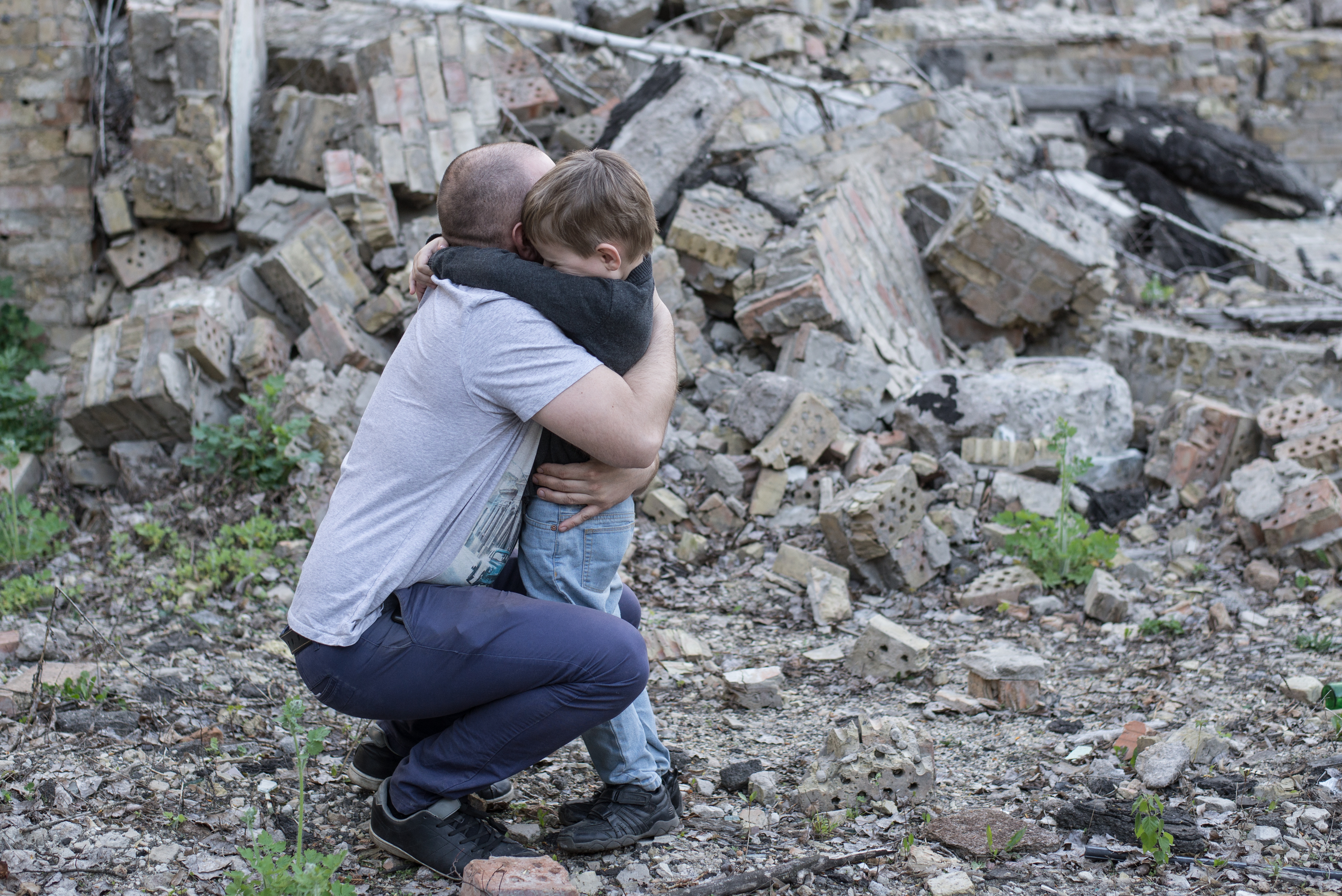
We already know that in war, disenfranchised people suffer the most – dependent women and children, disabled persons, and the mentally ill included. The war in Ukraine is no different.

During World War II, mental patients and disabled persons were among the “subhumans” that Hitler sought to annihilate. He felt they were a drain on society. (In fact, there are still people who feel this way.) Nowadays, the impact on the mentally ill is somewhat less direct. Reuters has reported that “Russian forces have taken control of a psychiatric hospital in the town of Borodyanka in Ukraine’s Kyiv region, with 670 people inside.” They quote a Ukrainian official as saying, “Today we do not understand how to evacuate these people, how to help them….These are people with certain special needs, they need constant help. They are running out of water and medicines.”

Not that mental health care in Ukraine was all that great to begin with. General healthcare in Ukraine developed from the old Soviet system, which emphasized preventive care rather than treatment of existing disease. Psychiatric Times also notes that “In comparison to other countries, Ukraine carries a high burden of mental illness and a particularly high prevalence of depression, alcohol use disorder, and suicide….Major barriers to mental health care in Ukraine include lack of trust in the psychiatry system, stigma, and lack of awareness and understanding.”

In the Soviet era, psychiatry was used “as a tool of repression” and “those who opposed the Soviet regime being deemed ‘mentally ill’ and imprisoned in psychiatric hospitals. As a result, Ukrainian older generations are more reluctant to seek mental health care than their youth, remembering the dark history of psychiatry,” reports Not Even Past.

Challenges in the Ukrainian system have included “a large institutionalized psychiatric system associated with human rights violations, alongside public stigma and low awareness of mental health,” says the World Health Organization. They add, “Social services for people with mental disorders are limited or absent in the community. The health information system has mental health data but lacks organization and is not always useful for decision making.”

The COVID pandemic had already taken a toll on mental health in Ukraine, but increasing conflict in the eastern regions caused still more suffering, long before the Russians invaded. In October, 2021, Relief Web reported on the toll-free emotional support hotline that helped more than 3,400 Ukrainians during its first year of operation. The four operators, seven psychologists, and one psychiatrist offered support primarily to women, who made 70% of the calls to the hotline.

Even before the pandemic and the conflict, Ukrainian citizens suffered from a variety of mental health problems. Estimates are that one in three Ukrainians face a mental health challenge at least once during their lives. This is notable, particularly in comparison to countries in Western Europe. Much stigma was also reported, involving problems of “knowledge (ignorance), problems of attitude (prejudice), and problems of behaviour (discrimination).”

Then there are the mental health difficulties directly related to the Russian invasion. Naturally, anxiety and depression are problems in both adults and children. As Relief Web noted, “People fleeing conflict often experience highly distressing situations, loss and trauma, which may impact their mental health and ability to cope. Psychosocial support will be needed in the days, weeks, and months to come.”

ABC News reported on the mental health problems that are arising in Ukrainian children especially. As of March 19, 114 children had reportedly been killed in airstrikes and other acts of war. Children as well as adults no longer have a sense of stability in their lives. Experts recommend supplying structure for the affected children, but this is difficult to impossible in a war zone.

ABC quoted Dr. Jack Shonkoff, director for the Center on the Developing Child at Harvard University, who noted, “Some children in these circumstances tend to be more withdrawn, they’re not crying as much, they’re not demanding much attention.”

He continued, “Sometimes people might look at that and say, ‘This child is managing pretty well.’ Sometimes that’s a sign of the things to worry about the most because these children are withdrawing, they’re internalizing a lot of what’s going on.”

Shonkoff also said that “a good outcome for children in a war zone is … making sure the adults are being taken care of too.” As he put it, “The most important factor that determines how children are going to basically survive and go forward after a war experience is the nature of the adults who are caring for them,” he said. “If the parents and the caregivers are significantly traumatized, they can’t provide that sense of support. The adults’ needs become critically important to protect the children.”

Shonkoff likened it to when adults are advised to put on their own oxygen masks first in case of an airline emergency, before assisting children with theirs. “That’s not a way of saying you’re more important than your child. It’s a way of saying if you pass out, your child won’t be OK,” he said.

What’s the point of all this information? It’s crucial to realize that, in war, not all wounds are physical. We know this from the vast number of veterans who suffer from PTSD. That will no doubt be true of soldiers in Ukraine too. Psychological distress is real – and increasing – and will affect people in Ukraine in both the present and the future. When we talk about sending relief to Ukraine, let’s not forget those with mental health challenges.

Like what you read? Why not make a one-time donation?

Choose an amount

¤2.50
¤5.00
¤10.00

Or enter a custom amount

¤

Your contribution is appreciated.

Donate