Does Being Paranoid Make Sense?
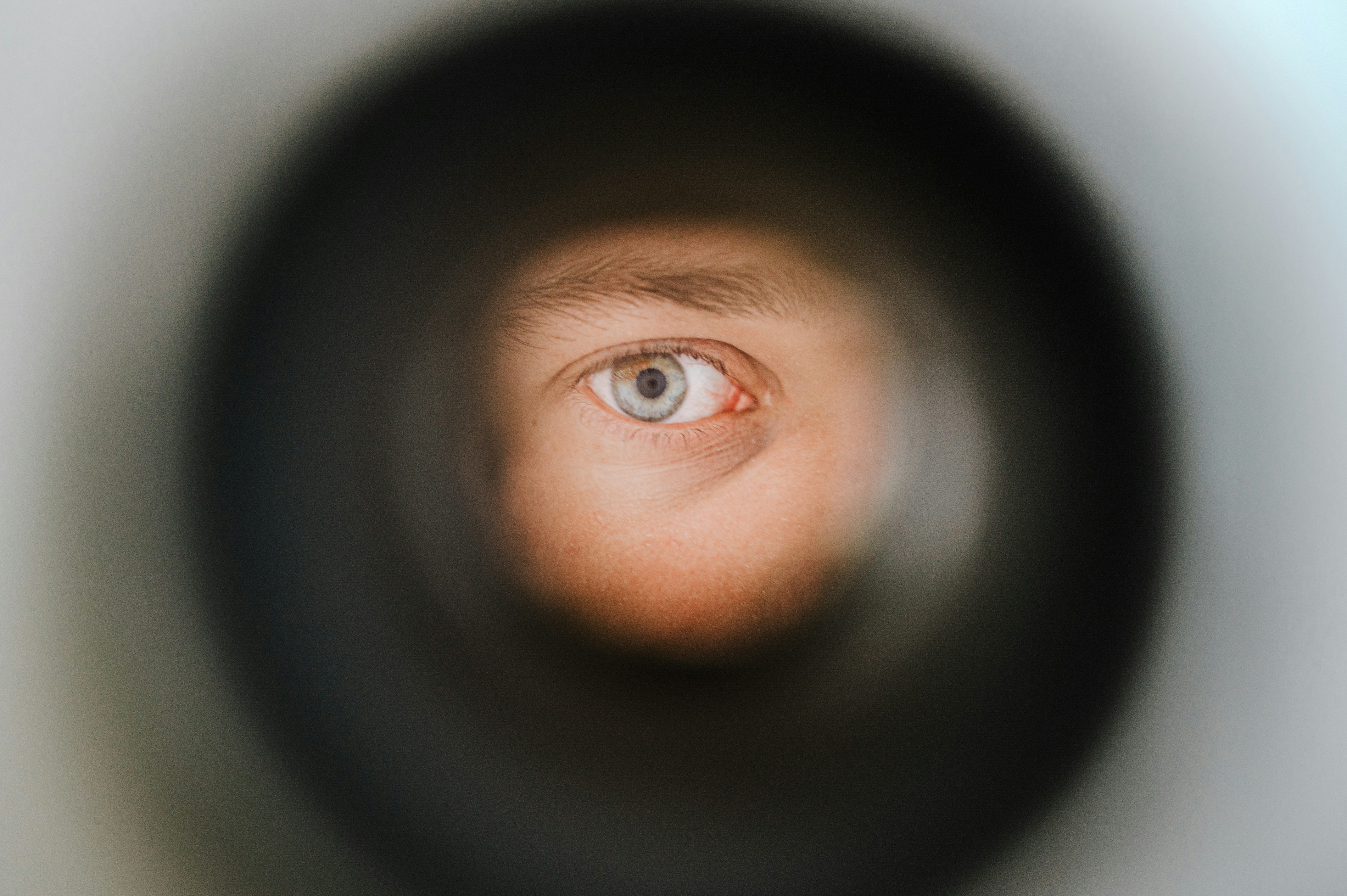
Everyone has heard the joke: It’s not paranoia if they really are out to get you.
It used to be that it was a joke. But now, with the increasing growth of the “surveillance society,” it’s more and more possible that you have something to be paranoid about.
First, let’s clarify: Paranoid Personality Disorder (PPD) is a diagnosis in itself. On its own, paranoia can be a symptom of other mental conditions. Or it can be a fairly normal reaction to modern life.
PPD means that you have a persistent, long-standing belief that adds up to a pattern of distrust and suspicion of others. It’s more common in men than women, and may have a genetic component. It limits a person’s social life because they feel distrust that is out of proportion to reality. It can also make the person feel that they are in danger, and then make them look for evidence that their suspicions are true. They fear other people’s hidden motives or believe that they will be exploited or harmed. Other symptoms include social isolation, an inability to work with others, detachment, or hostility.
Although paranoid people are often mocked as being part of the “tin-foil hat squad,” PPD is nothing to be laughed at. A person’s life can be severely impacted. Because of their disorder, they are likely to be detached and hostile. That doesn’t make for good work or social relations. However, the person with PPD may not realize that their feelings are abnormal.
While there’s no real cure for PPD, the symptoms can be lessened by treatments like cognitive behavioral therapy, family therapy, reality testing, or meds that reduce stress and anxiety. Atypical antipsychotics, antidepressants, and mood stabilizers can also be prescribed. Various vitamins, minerals, and acupuncture have been tried, but were found to be largely ineffective.
Paranoia can be a symptom of other mental illnesses, too. Several conditions that can include paranoia symptoms are schizophrenia, schizoaffective disorder, delusional disorder (persecutory type), and extreme cases of depression, anxiety, or bipolar disorder. Paranoia can even affect someone who’s simply under severe stress.
But now, the distrust may not be out of proportion with the reality. Cameras are everywhere. People on the street take pictures of any interesting building or tree and don’t care who’s in the background. The police monitor how fast you drive; record your license plate if you cross a bridge; and subpoena surveillance tapes from hotels, casinos, parking lots, and ATMs. Anything you put out on the internet is there forever, discoverable and shareable. Big box stores have even been known to note when a person buys a pregnancy test kit and start sending them coupons for diapers and such. And airports! They’re increasingly full of facial recognition devices and revealing body scanners. You don’t have to be a criminal to have your image, movements, spending habits, and other activities collected in one way or another.
Scientific American suggests “being watched can provoke psychological discomfort and physical fight-or-flight responses such as sweating.” They also report that “researchers have found that being watched also affects cognitive functions such as memory and attention….The research so far suggests that bringing more surveillance into workplaces—usually an attempt to boost productivity—could be counterproductive. It also suggests that testing in online environments where students are watched through webcams by human proctors or AI could lead to lower performance.”
What can the average person do when confronted by a friend or family member with PPD or paranoia caused by another condition? Dealing with the content of the delusions doesn’t usually help. You can’t simply talk someone out of something they deeply believe, however mistaken they are.
Instead, focus on what they’re feeling rather than what they fear. Comfort your friend or family member, but be general: not “The CIA doesn’t care what you think,” but “You’re safe. I’m here. Everything’s fine.” Then suggest an activity to distract the person from their thoughts: “Let’s go for ice cream,” or “Didn’t you want to see that new rom-com movie?” Let them know that you’ll be there when they need you. Then, prove it to them by showing up when they feel distressed.
Just as you would for someone with any other mental illness.

 Janet Coburn

 Bipolar Me
Recent Comments