A New Addiction
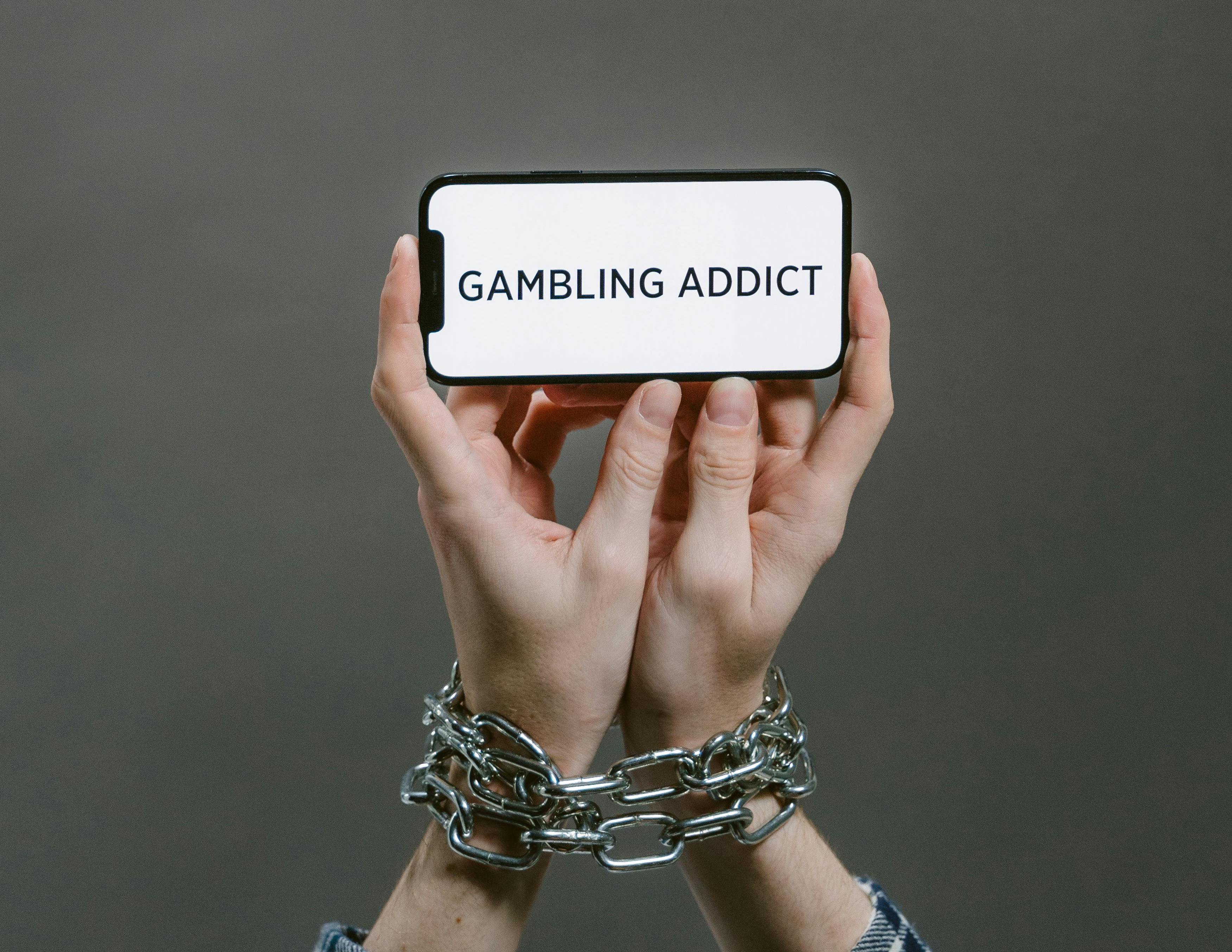
You see a lot in the news these days about gambling addiction, particularly since there are booming sites for online gambling, prediction markets, and sports betting platforms.
Digital gambling can rise to the level of an addiction. And addiction, as the DSM tells us, is a disorder. You can have a narcotics abuse disorder or an alcohol abuse disorder. In both of those disorders, you use something—alcohol or drugs.
But gambling addiction is different. You aren’t consuming any substance. You’re performing a behavior—risking money on an outcome. It shares all the characteristics of gambling, however: risk, reward, and uncertainty.
How Digital Gambling Addicts You
Gambling addiction, and especially digital gambling addiction, works by using some of the same strategies that other addictions do, and some that are specific to technology. Here’s how apps that appeal to kids turn into digital casinos:
Solitude: Most often, it’s just you and the machine. The social cues that tell you to stop aren’t operative. This is particularly true of children, who often play gambling games online, alone in their bedrooms. That encourages, if not addiction, at least problematic usage,
Continuousness: Gambling apps provide endless content that plays automatically. The slot wheels keep turning, and the card games keep going. Other online games trap you with continuing levels and new, open-ended content. The player wants more and more stimulation and continues playing.
Speed: The faster you play slots, the longer you gamble. It’s a lot like other social media. Scrolling through new content makes it difficult for you to stop. Infinite scrolling accelerates the presentation of more content in a feedback loop.
AI: When you play against an AI system, it feeds you what you’re interested in and teases you with promises of more and new content. However, they don’t give you exactly what you want. Instead, they tease you with something close to what you want, and you keep playing to reach the reward.
Brain chemistry: When you do win, even a small amount, your brain receives a hit of dopamine, and you feel good. The sensation of winning just makes you want to play more.
Money: Online sports gambling, in particular, offers the possibility of winning actual money on the outcome of games or even plays within those games. It’s the same as the promise held out by the stock market. If you’re really quick and clever, you can reap rewards. And literally anything can be bet on. Recently, a man with insider information won $400,000 by predicting when a world leader would be toppled.
These factors combine to create a state in which a user is metaphorically glued to their device. You lose track of place and time in a kind of dissociative state that is difficult to break free from, especially for children.
The Companies That Run the Games
Online gambling really took off during the COVID pandemic, when people were sheltering at home with limited choices of amusement other than their computers and smart phones. And it has snowballed from there.
What to do about this “public health crisis,” as gambling addiction has been called? “You regulate the distribution, the speed, the type, the access to the product, because the product is what’s dangerous,” Harry Levant, director of gambling policy at the Public Health Advocacy Institute (PHAI), has said, calling for gambling to be treated like alcohol or tobacco. “The problem is the product, not the people.”
There are consequences for the players, but now there are starting to be consequences for the purveyors of online gambling and addictive digital pastimes. Both Meta and Google were tried and found liable for endangering children via their addictive products. They’re appealing, of course.
But the cases have put parents on notice that their children may not be doing homework alone in their darkened rooms. In addition to harassing classmates and posting nude pictures, they may be playing addictive games, either with points or money as the reward. If it’s money that gets exchanged, parents need to keep their credit card information secure. There have been cases in which children have lost thousands of dollars of their parents’ money playing online games. And the game companies have been notoriously indifferent to pleas for restitution. They claim that players have to be a certain age, and that they know they are spending or risking money in order to play.
Some of their “clients” have started as early as middle school. “If I had a bad day I’d gamble. If I had a good day I’d gamble,” one said. “Gambling was my best friend.”
What can be done about online gambling addiction? “If they come into the office, we do what we do for any other addictive disorder,” Dr. Timothy W. Fong, clinical professor of Psychiatry at the Jane and Terry Semel Institute for Neuroscience and Human Behavior at UCLA, has said. “We do psychotherapy, we have Gamblers Anonymous, we have medication, and strategies to get people to work hard on their recovery, where their addiction can be contained.”
 Janet Coburn


Recent Comments