It’s Mom’s Fault Again
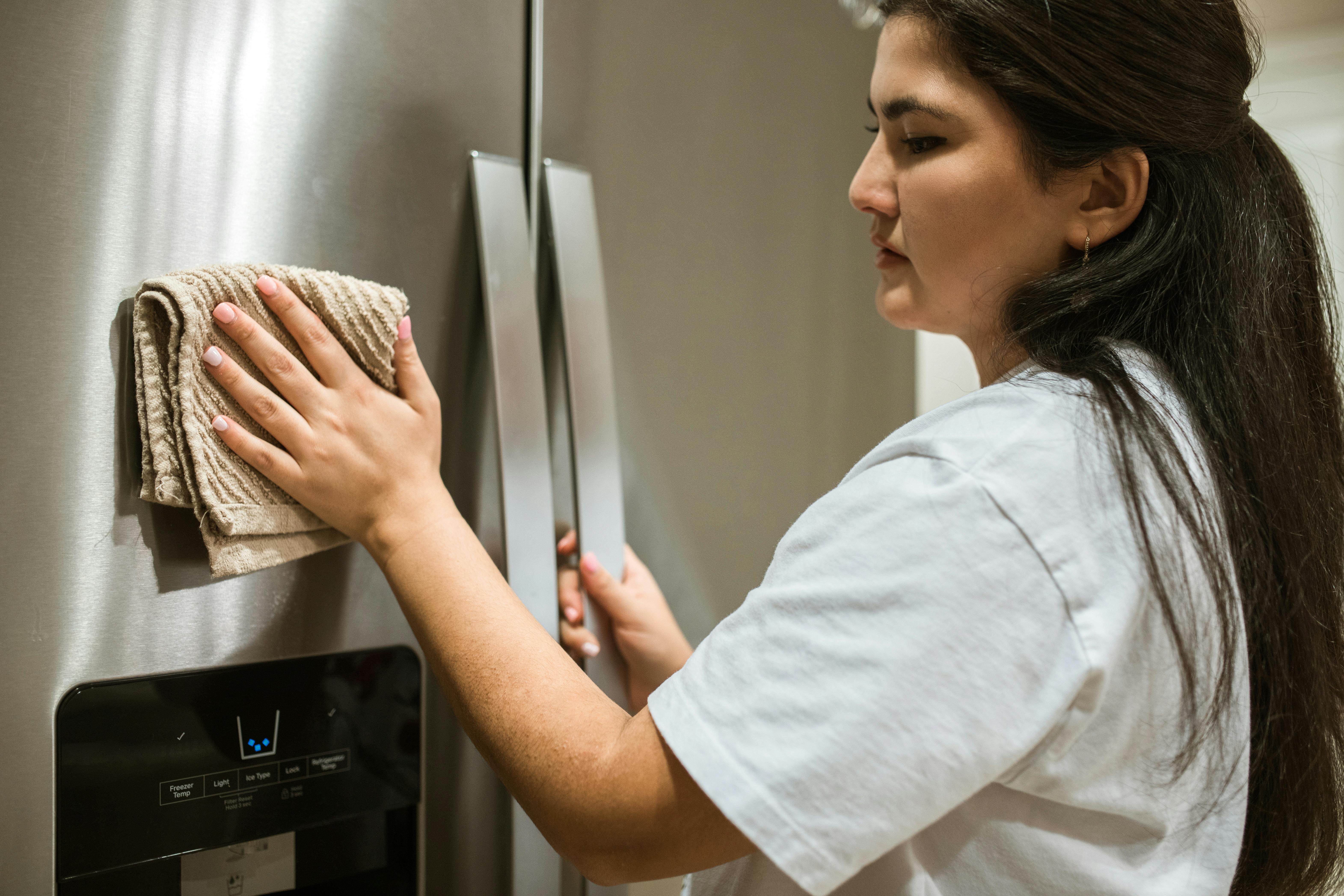
In the 1940s, autism was thought to be caused by the “refrigerator mothers,” who didn’t show enough love and affection to their children and thus made them incapable of interacting appropriately with other people. This theory hung on into the 1970s and was supposedly backed by science. Even Bruno Bettelheim supported the theory.
Later, mid-century, the refrigerator mother theory was resurrected to blame cold mothers for causing their children to be homosexual. (“Overbearing” mothers were thought to have the same effect. In essence, women couldn’t win.) Mothers were also blamed for schizophrenia.
All of these theories have been debunked. It seems they were a reaction to women joining the workforce and relying on childcare to fulfill the child-rearing functions previously provided by stay-at-home moms.
Now the blame-mom theory is back. Mother Jones magazine published an article in the September/October 2025 issue, “No, Moms Are Not to Blame for ADHD” by Chelsea Conaboy, reporting on how the theory has shifted and resurged, and how it still isn’t true.
Dr. Gabor Maté, a guest on Joe Rogan’s podcast, was promoting his fifth book, The Myth of Normal: Trauma, Illness & Healing in a Toxic Culture. During that interview, Maté “explained” that “hyperactivity and poor impulse control develop in particularly sensitive babies who are adapting to stressed parents, especially mothers.” Stressed—read “inattentive” mothers—cause children to “tune out” and “that tuning out is then programmed into the brain.” Women who turn to doctors with questions and lists of their children’s behaviors are “obsessive and overly intellectual.” That is to say, the opposite of the ideal warm, nurturing mother who could have prevented the symptoms in the first place.
Maté’s emphasis on the maternal bond dates back to his first book, Scattered Minds, published in 1999. In it, he said, “All the behaviors and mental patterns of attention deficit disorder are external signs of the wound, or inefficient defenses against feeling the pain of it.” He says he bases his theories on “literature research… on hundreds of patient interviews, and on my clinical observations.” Stephen Faraone, professor of psychiatry, neuroscience, and physiology at SUNY Upstate Medical University and president of the World Federation of ADHD, says that Maté’s science is not cohesive and “cherry-picked.” Faraone also says that Maté’s theories can cause “real harm if it dissuades families from seeking evidence-based treatment, including effective medications.”
Reputable researchers say that ADHD is “highly heritable, with genetic differences accounting for as much as three-quarters of its prevalence.” The fact that rates are rising is more likely due to better diagnosis, especially in girls, who have been underdiagnosed and underrepresented. Maté has acknowledged a heritable component or “sensitivity,” which he says is then unlocked by the family environment.
There are other theories, of course. Secretary of the Department of Health and Human Services Robert F. Kennedy, Jr., attributes ADHD to chemical exposures. Erica Komisar, a clinical social worker and contributing editor at the Institute for Family Studies, says that the theory that parents can cause their child’s ADHD through stressors, including divorce, day care, and the “muddling” of traditional gender roles, is an inconvenient truth.”
It hasn’t passed unnoticed that the theory of maternal causes of ADHD supports the conservative view of what a family is and what a woman’s role in it should be. Stay-at-home moms are more valued because of their supposed innate nurturing nature. How that correlates with theories about “refrigerator” or “overbearing” mothers isn’t clear, since stay-at-home moms can theoretically be either. Working mothers are considered “stressors” that can bring about ADHD.
The take-away from all this? The best current science says that ADHD is largely an inheritable condition and that blaming mothering techniques is outdated and unfounded. The important consideration is diagnosing ADHD in children promptly and getting them valid, science-based interventions and treatment. Mothers and children will always have stressors in their lives, whether the mothers stay at home or not. Singling out working mothers as stressors is unfair.
 Janet Coburn

 Bipolar Me
Recent Comments