Bipolar 2 From Inside and Out

Posts tagged ‘men’s mental health’

Men and Mental Health: Two Stories
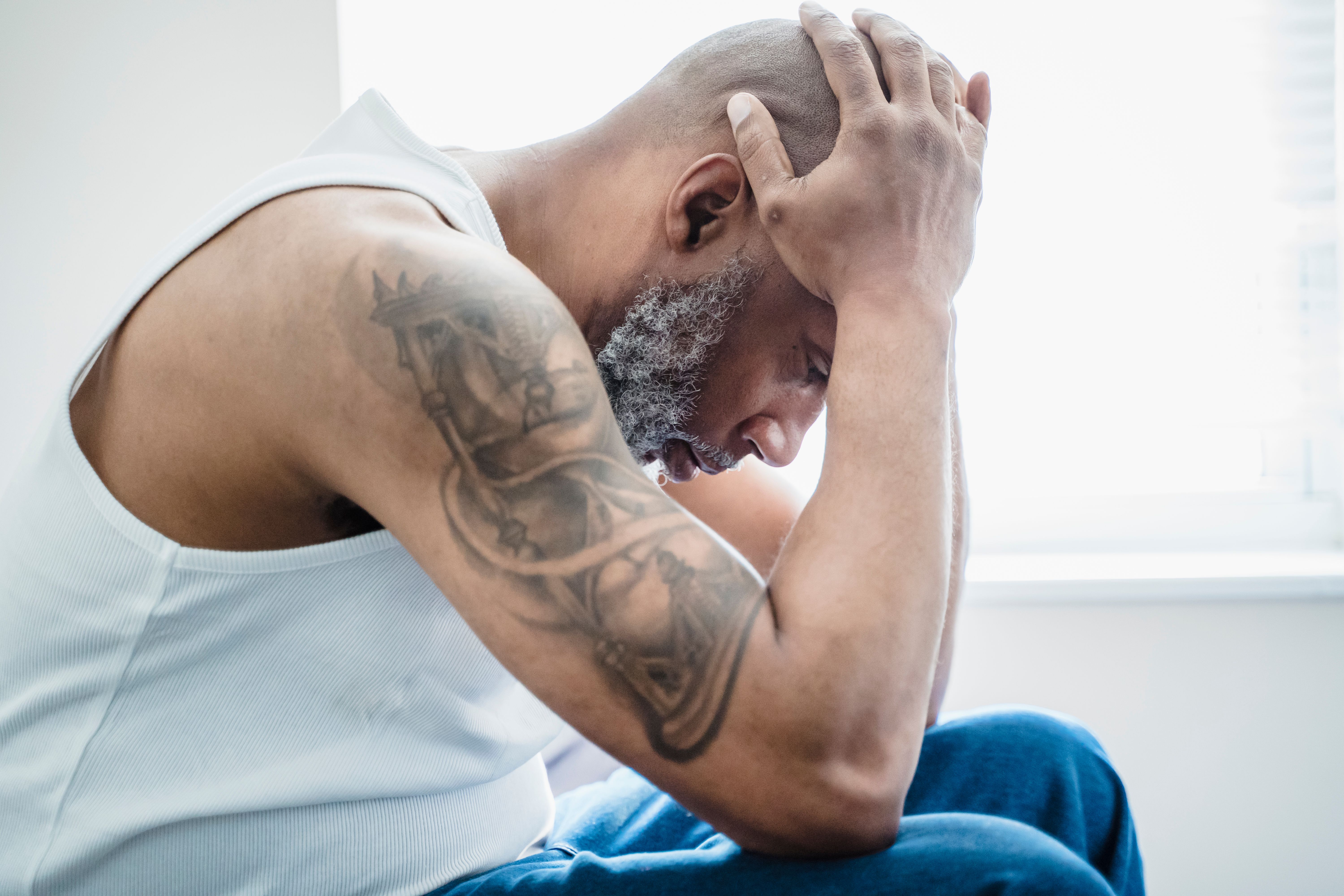
There are so many Awareness Months these days that it’s hard to keep track of them all. June alone has Pride Month, Caribbean American Heritage Month, National Immigrant Heritage Month, Men’s Mental Health Month (which is also recognized in November), and National PTSD Awareness Month, as well as celebratory or awareness weeks and days.

The Verbate site, which keeps track of these awareness days and months, has this to say about Men’s Mental Health Month: “Men’s Mental Health Month raises awareness of the unique mental health challenges men face and the social stigma that often prevents them from seeking support. Research shows men are less likely to seek mental health care, despite experiencing higher rates of suicide and untreated mental health conditions. Cultural expectations around masculinity and self-reliance can deepen isolation. This observance encourages open conversation, early intervention, and inclusive definitions of well-being.”

They also offer suggestions on ways to celebrate the awareness month inclusively:

• Share mental health resources and benefits.

• Normalize help-seeking behaviors through leadership modeling.

• Highlight intersectional perspectives on masculinity.

• Encourage open, stigma-free conversations.

The statistics regarding men’s mental health are fairly well-known and easy enough to find, though they differ from source to source. Men’s rates of suicide, especially compared to women’s, are often mentioned. So too is the lower number of men seeking help for their mental health compared to women.

But statistics provide an arm’s-length look at the problems. While that’s valuable, so are men’s stories regarding the need for better care with mental health problems.

Owen’s Story

Owen worked for years in a highly responsible, high-stress job at a facility that required him to supervise a large number of men. The long hours contributed to his increasing inability to cope. His home life deteriorated, and he stopped pursuing his former interests and activities. His friendships fell by the wayside until he had only one close male friend.

Then Owen was fired from his job. He drove home, then sat in his car, unable to move. Before long, an ambulance pulled up. Owen’s coworkers had seen how distraught he was and called for a wellness check. The EMT squad took him to the emergency room for screening. Owen found it fairly easy to respond to the questions in ways that would not raise alarm bells and was sent home.

Over the following months, Owen realized that he needed emotional and mental help, rather than just a new job. He went to a therapist, who prescribed SSRIs and a course of talk therapy. Eventually, Owen was able to voice his feelings and move on to a lower-stress job that didn’t require him to supervise anyone. His mental health improved.

Franklin’s Story

Franklin was married with three young boys, and he had a temper. His wife, Leslie, had a progressively debilitating and ultimately fatal disorder, which meant that Franklin was increasingly responsible for the children. He shared his interest in trains with them and got them a pet tarantula. But the kids knew that when Daddy got mad, he blew up. Leslie joked with them that Franklin was like the Incredible Hulk; when he was angry, he turned into another person.

After Leslie died, there was no buffer between Franklin and his boys. As the kids grew up, they became more and more estranged from their father. Franklin had trouble keeping a job and, for a time, had to sleep in his car. Eventually, Franklin moved in with his aging mother and tried to care for her. But he reverted to his old habit of yelling at her when he was irritable or became angry. His physical health declined as he aged, too, and he never sought treatment for either his various ailments or his anger issues.

Seeking Help—Or Not

Owen’s and Franklin’s mental health suffered at various times over the years. Owen had less extreme bouts of depression besides the one when he lost his job. He lived off his retirement savings for a year. That relief from the pressures of the job, and the medication and therapy he received, turned his life around. He still experienced reactive depressive episodes, but not out of line with the extent of the everyday problems he encountered.

Franklin became an increasingly angry man. Family members wondered if he was treating his mother abusively, but never broached the subject with her because she had made it known that she was unwilling to accept any other living arrangement, such as assisted living.

Both Owen and Franklin would have benefited from a social structure that was more supportive of men receiving help with their mental health. Owen might have sought help before the long build-up to the end of his job and learned healthy ways to cope with the pressure. Franklin could have dealt with the death of his wife and caring for his aging mother while taming his temper and explosive interactions. Both would have been better off.

In this Men’s Mental Health Month, let’s try to reach out to friends, family members, and coworkers like Owen and Franklin before their situations become desperate. Help them get the help they need. They aren’t immune to psychological difficulties just because they’re men.

Men’s Mental Health and the Manosphere

June, which is coming up faster than you think, is Men’s Mental Health Month. We can expect PSAs about depression and PTSD, messages that men are allowed to have feelings and seek help, and actors and sports stars admitting they have reached out to other men who were having problems.

Teens and young men in particular need to see and hear these messages. In addition to raging hormones and brains that aren’t fully developed in the impulse control regions, young men don’t often learn how to deal with troubled thoughts and feelings, and they can fall victim to addiction to violent video games or online gambling. These powerful forces influence them in ways that are detrimental to their mental and emotional health.

And on top of all that, they can be lured into unhealthy feelings and behaviors by the Manosphere.

What Is the Manosphere?

The manosphere is a section of the internet, including social media apps, Reddit, YouTube, blogs, podcasts, gaming forums, websites, and communities that give a voice to dissatisfied, lonely, frustrated, and frequently hostile men. Their needs are real, but the solutions offered for them are harmful. The manosphere likely originated from the men’s rights movement, which promoted the idea that men were treated poorly in custody decisions and other areas of life. Much of the blame was directed at feminists. One of the manosphere’s main complaints is that by encouraging men to get in touch with their softer sides and emotions, men are being feminized, and that’s a bad thing. They call giving in to feminist thinking “taking the red pill,” a reference to the movie The Matrix. Red pill content is pervasive on the internet and often referred to in real-life conversations.

The manosphere seeks to offer a different definition of masculinity that they say young people are not receiving. Unfortunately, what the manosphere presents as an alternative is toxic masculinity and a return to caveman-like behavior. Women who object to what they are promoting are viciously and often obscenely attacked online. Women in the #MeToo movement are met with stories of false accusations of rape, and women are routinely pictured as sex objects and/or adversaries. In addition, segments of the manosphere promote anti-LGBT+ views, racism, and other forms of hate speech. And the “incel” community (involuntary celibates), who blame women for not being sexually attracted to them, have been known to attack women physically in real life. They have a sense of entitlement when it comes to women’s bodies.

Why Is the Manosphere Harmful to Men’s Mental Health?

First, denizens of the manosphere preach extreme self-reliance. And they deny that psychological problems even exist. Men who ask for help are seen as weak. They’re supposed to handle all their difficulties themselves. They ignore or scorn messages that seeking help for mental health is legitimate. There’s tremendous stigma attached to seeking help for depression, anxiety, loneliness, and relationship problems. And the manosphere teaches maladaptive coping mechanisms, rage, and aggression disguised as bonding and shared hardship.

Then, too, the manosphere promotes messages they call “male empowerment” or self-improvement. Teens and young men are particularly vulnerable. It sounds so positive and harmless—or fun, as parts of the manosphere claim to turn boys and young men into “pick-up artists” who scoff at the idea of consent. Empowerment, as the manosphere defines it, appeals to youngsters who feel alienated and discontented. It also results in disrespectful harassment and even violent behavior towards women and trans people they see as pushy or threatening, including authority figures such as teachers, women who blog about video games, and their female classmates as well.

The masculine ideal in the manosphere relies heavily on the physical attributes of video game and action movie heroes or bodybuilders: toned and ripped, square-jawed, and athletic. Achieving this is called “looksmaxxing,” and teens and young men are particularly susceptible to it. Preteen and teen girls already get messages from the media that their looks are deficient and in need of sometimes extreme improvement; now, preteen and teen boys are getting similar messages. This process results in significantly lowered self-esteem, and the manosphere seems to offer a solution, such as ads for products, coaches, courses, and supplements, often dangerous ones, that will help youngsters achieve the “right” body type. (Teens have actually been advised to tap on their face with a small hammer to achieve the “chiseled jaw” look.)

What to Do About the Manosphere

Combatting the malign influence of the manosphere will not be easy. Manosphere influencers present messages that appeal to teens and young men, who don’t realize how harmful they are. Getting young males to listen to messages that men are allowed to have, and do have, mental health difficulties, and that seeking professional help is acceptable, isn’t a “sexy” message that plays on insecurity, misogyny, and blame-shifting. But it’s something that needs to be done before we lose a generation of young men to a vision of toxic masculinity.

Another avenue that needs to be considered is educating young men with critical thinking skills and information on how the internet works. They need to be able to examine manosphere content with an eye toward how reliable the information they receive is and what the poster has to gain. They need to understand that when they click on a link or watch a video, they will receive more content related to that interaction—more videos of Andrew Tate and other influencers, more links to other manosphere sites, more content that espouses misogynistic and patriarchal views, and more looksmaxxing promotion.

We need safe, male-friendly, and peer-to-peer spaces in families, schools, and counseling practices for young men to process what they hear versus what they feel. They need to know that talking to other young men and to mental health professionals about their problems, questions, and difficulties is a valid way to get the support they need. We need to offer alternatives to the manosphere, examples of nontoxic masculinity, and ideologies that don’t present women as the enemies of men. We need to present messages that there is no one way to look or to be if you’re male, and no one way that women view men or act toward them. In particular, those messages need to come from male role models in boys’ lives and in the media. And those messages need to be appealing and repeated. Of course, women have a lot to offer, too. But until the influence of the manosphere is tamed, women’s messages are likely to be discounted, ignored, or even violently rejected.

That’s a lot to ask of a PSA.