Bipolar 2 From Inside and Out

Posts tagged ‘keto diet’

Update: The Keto Diet
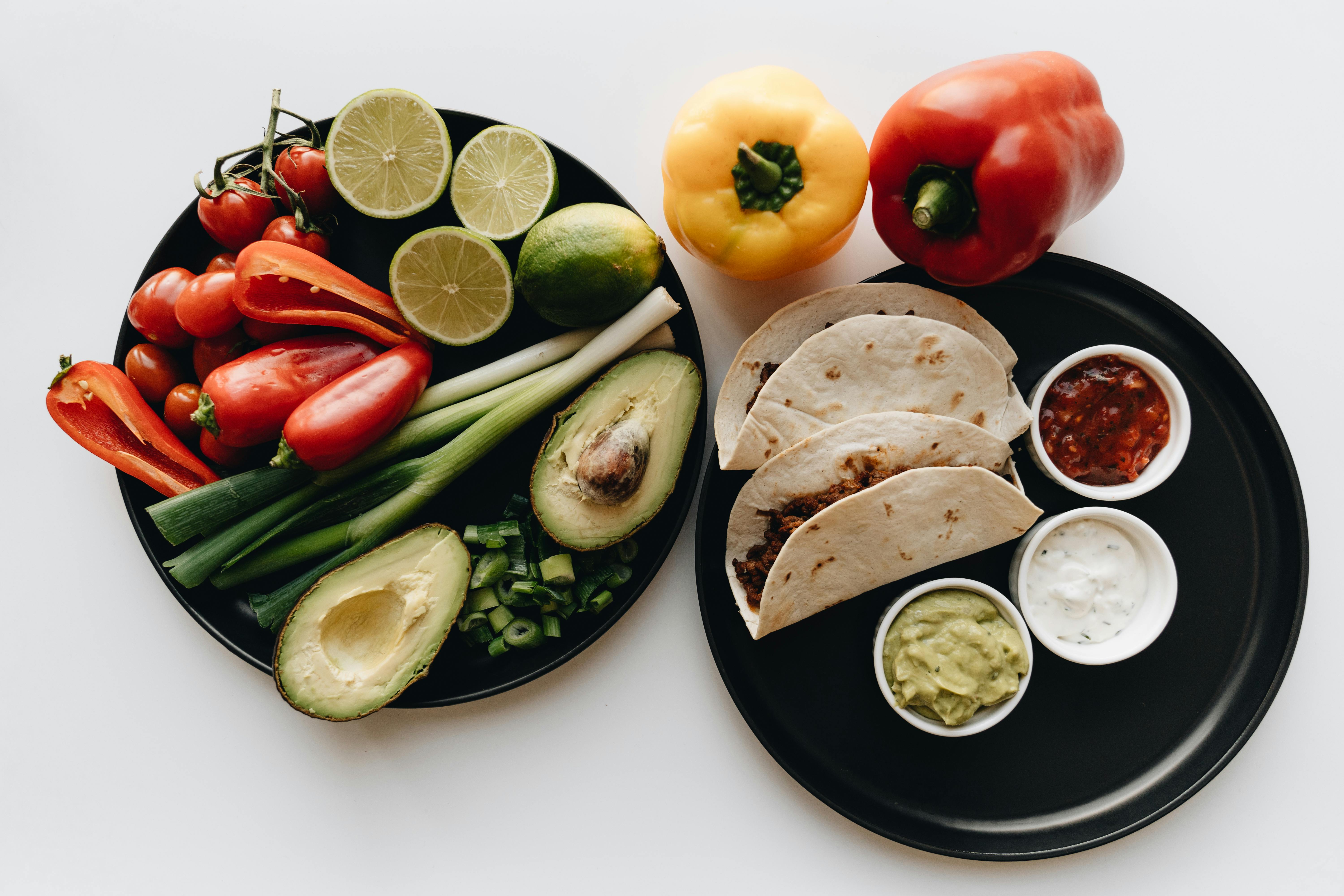
Almost exactly a year ago, I wrote a post called “Is a Keto Diet Good for Bipolar?” In it, I examined the keto diet, one that involves consuming a very low amount of carbohydrates and replacing them with fat to help your body burn fat for energy. That means you should avoid sugary foods, grains and starches, most fruit, beans and legumes, root vegetables and tubers, low-fat or diet products, unhealthy fats, alcohol, and sugar-free diet foods.

What’s left? Good fats like avocados and EVOO, as well as meat, fatty fish, eggs, butter and cream, cheese, nuts, seeds, low-carb veggies, and herbs and spices.

So, what does that sound like—a diet high in meat and fats that avoids most fruit, beans, legumes, and ultra-processed foods? That’s right: the new upside-down food pyramid instituted by Robert F. Kennedy, Jr., the U.S. Health Secretary.

In that previous post, I talked about studies that examined the keto diet as applied to depression and bipolar disorder in particular. The bottom line I left to WebMD: “The advice from WebMD is that there is ‘insufficient evidence’ to recommend the diet as beneficial for mood disorders. They don’t recommend it as a treatment option. As with any diet plan, consulting your doctor first is a good idea.”

Now, however, RFK, Jr., is touting the benefits of a ketogenic diet as a “cure” for schizophrenia. The New York Times called it “an unfounded claim that experts say vastly overstates preliminary research into whether the high-fat, low-carbohydrate diet might help patients with the disorder.”

In fact, the Secretary said, “We now know that the things that you eat are driving mental illness in this country.” He claimed that an unnamed doctor at Harvard had cured schizophrenia, and talked of studies “where people lose their bipolar diagnosis by changing their diet.” He was apparently referring to a 2019 experiment in which two patients “experienced complete remission of symptoms” with the keto diet. He said both patients “were able to stop antipsychotic medications and have remained in remission for years now.” Dr. Palmer, who originally reported the results, made no comment for the Times story.

The post promoting the claims was taken down from the website when evidence was requested to support the assertions.

The ketogenic diet is popular but difficult to stick to with its emphasis on fats over carbs. It’s up to you whether you try it to treat a mental disorder, but my honest opinion is that you shouldn’t stop taking your meds or doing your therapy. Try the keto diet in addition to them if you want to. Stopping your meds with the help of a physician who can guide you in tapering off safely is essential. Don’t go cold turkey, even if you do think the keto diet might help you. It’s simply not safe.

Unlike RFK, Jr., I’m not giving medical advice, only my opinion. Your mileage may vary. Your primary care physician or psychiatrist knows you and your condition best. Ask their advice and follow it.

Is a Keto Diet Good for Bipolar?

I’m sure you’ve read the ads and articles that say apple cider vinegar is good for anything that ails you. There are also supposed “superfoods” that activate your immune system and ward off diseases. Then there are diets—Mediterranean, paleo, Atkins, gluten-free, intermittent fasting, vegetarian, vegan, low-carb, sugar-free, South Beach, carnivore, and more. Each of them is supposed to be good for your body or some part of it. And that may be true. I can’t say that one or another is good for everyone.

But what about people with bipolar disorder? A quick Google tells me that Omega 3, folic acid, probiotics, magnesium, walnuts, whole grains, CoQ10, tryptophan, Vitamin D, Vitamin B12, Vitamin C, and Acetylcysteine (which loosens thick mucus) are recommended nutrients for us.

But the diet (or eating plan) I’ve heard the most about in relation to mental disorders is the keto diet.

First, let’s look at what the keto diet actually is. It involves consuming a very low amount of carbohydrates and replacing them with fat to help your body burn fat for energy. That means you should avoid sugary foods, grains and starches, most fruit, beans and legumes, root vegetables and tubers, low-fat or diet products, unhealthy fats, alcohol, and sugar-free diet foods.

What’s left? Good fats like avocados and EVOO, as well as meat, fatty fish, eggs, butter and cream, cheese, nuts, seeds, low-carb veggies, and herbs and spices. This diet is supposed to be good for people with neurological disorders like epilepsy, heart disease, cancer, Alzheimer’s, Parkinson’s, and traumatic brain injuries.

Lately, however, the keto diet has been investigated as being good for mood disorders including depression and bipolar disorder.

Healthline reports that, based on the idea that a keto diet is good for those with epilepsy and that anti-seizure medications are often used to treat bipolar disorder, “during a depressed or manic episode, energy production slows in the brain. Eating a ketogenic diet can increase energy in the brain.” Also, the keto diet lowers the amount of sodium in the cells, which is partially the way lithium and other mood stabilizers work. They note, however, that very little research has been done on this theory.

However, UCLA Health is planning such a study. They note that, while most previous studies have focused on adults, the new study will include youth and young adults who have bipolar disorder. Participants will go on a ketogenic diet for 16 weeks while continuing their usual medications. Dieticians, psychologists, and psychiatrists are involved and there will be daily blood tests measuring metabolic indicators. In the future, the researchers say, they will compare the keto diet with another meal plan such as the Mediterranean diet.

Stanford has conducted a pilot study on the ketogenic diet. They say that, in addition to improving metabolic conditions, the diet improved patients’ psychiatric conditions and metabolic health while they continued with their medications. The results, published in Psychiatry Research, said that dietary interventions such as the keto diet may assist in treating mental illness.

A French study that was reported in Psychology Today focused on people with major depressive disorder, bipolar disorder, or schizophrenia. Symptoms improved in all the participants who followed the diet for more than two weeks. Almost two-thirds were able to reduce their medication.

There seem to be drawbacks to a keto diet, however. Healthline also notes that the diet can lead to shortages of vitamins B, C, and D, as well as calcium, magnesium, and iron. There can also be digestive difficulties such as nausea, vomiting, and constipation. They recommend supervision by a physician. Other people report mood swings related to the keto diet.

The advice from WebMD is that there is “insufficient evidence” to recommend the diet as beneficial for mood disorders. They don’t recommend it as a treatment option. As with any diet plan, consulting your doctor first is a good idea.

As for me, I have my doubts about currently (or formerly) trendy diets and superfoods, though the Mediterranean diet sounds good and balanced to me. Am I likely to try the keto diet? Well, I would miss bread, fruit, potatoes, and sugar-free products. Stocking up on meat, fish, avocados, cheese, herbs, and spices I could manage rather easily. But until more results are in from the various studies, I probably won’t change the way I eat very much.

As always, Your Mileage May Vary.