Bipolar 2 From Inside and Out

Posts tagged ‘ketamine’

What’s the Future of Ketamine Treatment?
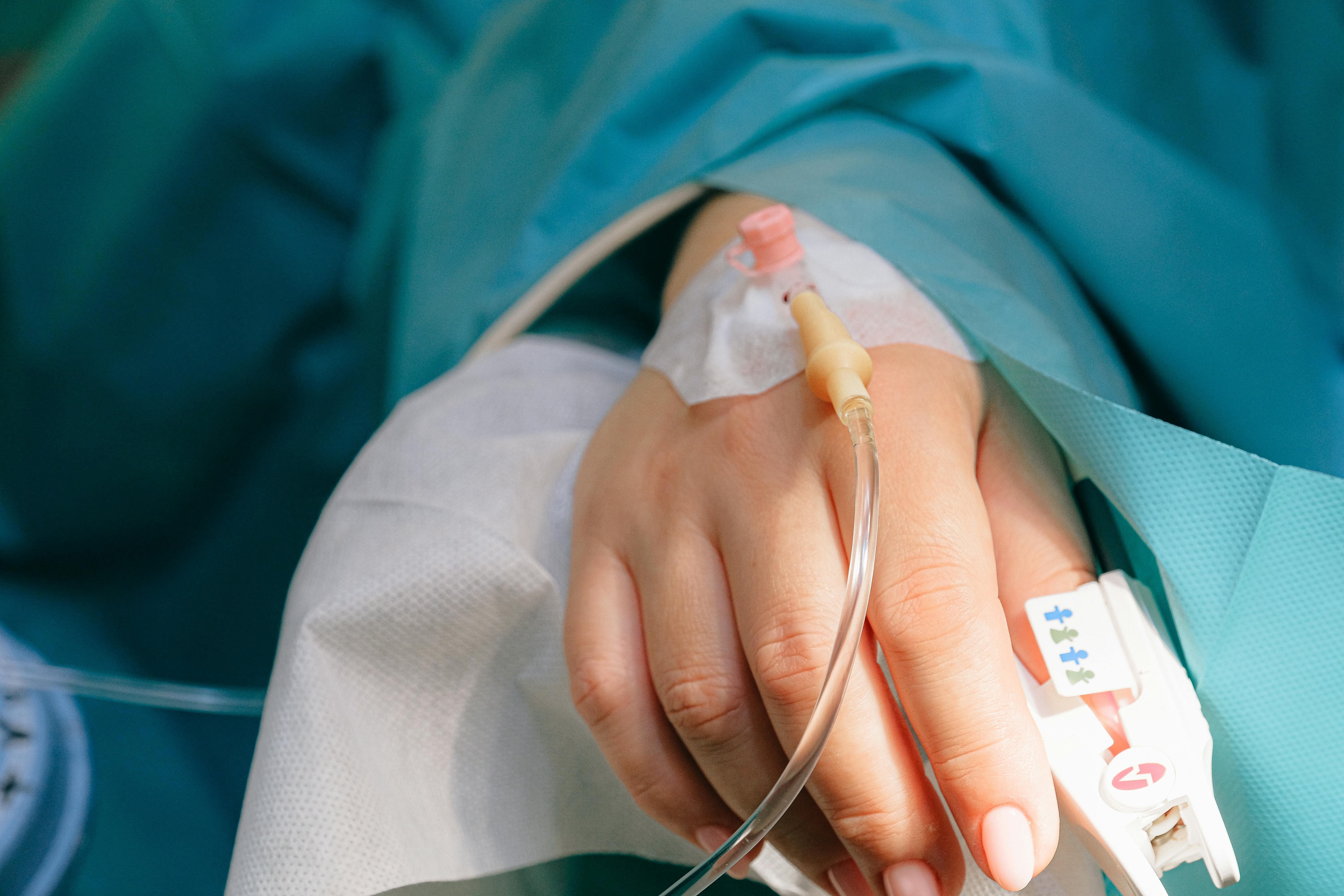
You’ve likely heard about the use of ketamine and other psychedelic drugs in the treatment of SMI. Many people have found it helpful for alleviating—though not curing—treatment-resistant depression and PTSD. Ketamine, long used as a surgical anesthetic, is given for mental health purposes via IV or injection as an off-label use or as an FDA-approved nasal spray, under the supervision of a doctor.

It’s that supervision of a doctor that’s proving to be a problem, now in Texas and perhaps in other states soon.

On December 3rd of this year, MindSite News Daily published a story about ketamine being under fire in Texas.

The state of Texas has permitted clinics to administer ketamine if they’re under the supervision of a licensed physician, such as an anesthesiologist—though not always one onsite. The off-site doctor sometimes has nurse practitioners, paramedics, or physicians’ assistants perform the actual procedure at the clinic. It’s a form of telemedicine. But a change in the rules, influenced by the Texas Medical Board and the Texas Society of Anesthesiologists, might mean that Texas clinics will have to have a doctor physically present.

It’s true that ketamine has been known to produce trance-like hallucinations or, in some cases, even heart failure. And it may interact with other medications like benzos that a patient may be taking. In non-medical circles, ketamine is known as a “party drug” referred to as “Special K.” And, naturally, no physician is usually present at these parties.

But when used correctly under the supervision of a professional, ketamine may result in a trance-like state that can even alleviate suicidal thoughts. Until now, Texas has been a leader in using psychedelics such as ketamine and exploring psilocybin or ibogaine to treat PTSD or MDD in particular. The number of veterans living in Texas makes this procedure especially needed.

I experienced ketamine recently, as an anesthetic after I broke my ankle in two places. The doctors seemed a little wary about giving it to me, given all my other meds. But they discussed it with me and I decided that it was better than being put all the way out.

Ketamine is definitely a psychedelic. When the drug hit, I began seeing everything as a series of see-through squares, like the kind of glass they use for bathroom windows, except they stretched and moved. It reminded me of the movie Minecraft, where everything is made of blocks. My husband watched as the doctor manipulated my foot in unpleasant ways. What I felt wasn’t pain—more of a stretching sensation that made me groan a bit. (My husband said that I cried out, but it didn’t seem like that to me.) That was probably when they hit me with another dose. Gradually, I came down, and the squares resolved themselves into emergency room curtains and assorted medical gear and people. Then I was trundled off to the operating room for more traditional anesthesia so they could put in some pins and plates.

All in all, it altered my perceptions for a short time, but at no time did I feel euphoric. It did its job in regard to pain, but had no lingering psychological effects that I could see. But then, the doses I received were calibrated for a specific purpose, which had nothing to do with my mental difficulties.

Would I have tried ketamine treatment for the medication-resistant depression I once had? I might have—at least if I had experienced its pain-relieving qualities. Having grown up in the 1960s, I was wary of psychedelics and their reported effects and dangers. Then again, I was ready to try ECT until another medication, added to what I was already taking, finally proved effective.

Then again, the off-label use is not likely to be approved by insurance, and I don’t have the kind of money a course of treatment would require. The nasal spray is a relatively new method of administration and is generally covered by insurance. So it’s highly unlikely that I would ever have agreed to ketamine treatment for my SMI, at least until a broken ankle introduced me to it.

When Depression Doesn’t Go Away

Back in the day, I suffered from treatment-resistant depression. (This was likely due to the fact that what I had was actually bipolar 2, but never mind that for now.) My psychiatrist prescribed me medication after medication, but none of them worked, or at least not for long. We got into a seemingly endless spiral of trying one drug, adding another, weaning me off one drug and ramping up another, then another and another.

Some of them just plain didn’t work. Others had intolerable side effects, from vivid horrible nightmares to making me feel like I was about to jump out of my skin.

All this went on for certainly months – maybe years. (Memory problems were one of the many intolerable side effects.)

Eventually, my doctor reached the correct diagnosis, and then there were months of trying medications that were targeted for bipolar disorder instead of plain depression with anxiety. Again, nothing worked, or didn’t work adequately.

Nowadays, there are non-pharmaceutical methods of coping with treatment-resistant depression, including ECT (better known as electroshock), TMS (transcranial magnetic stimulation), and ketamine treatment.

I never had any of these treatments, since my psychiatrist and I finally worked out a drug combo that brought me back to balance, with only minor tweaks in dosage over the years. Nonetheless, I’ve become interested in the alternate means of dealing with treatment-resistant depression, and here’s what I now know. (If you want a patient’s own experience with ECT, TMS, and ketamine treatment, look up Kitty Dukakis or read some of the Bloggess’s posts.)

ECT, or electroconvulsive therapy, is what used to be known as shock treatment. For a long time it went the way of prefrontal lobotomy, stigmatized as a cruel and harmful procedure. The portrayal of ECT in Ken Kesey’s novel One Flew Over the Cuckoo’s Nest and then the movie of the same name were major influences in terrifying the general public, leading to a nearly complete disavowal of its use.

It’s making a comeback, though. The theory behind it is that electric stimulation of the brain will shock the brain back into normal functioning. The American Psychiatric Association notes that it is now performed under anesthesia, with medical personnel attending the procedure. They report improvement in 80% of patients.

(ECT is the alternative treatment that I was ready to try when none of the drugs prescribed for me proved effective. Then my doctor wanted to try one last drug, and that was the one that did the trick.)

TMS, or transcranial magnetic simulation, is described by the Mayo Clinic as “a noninvasive procedure that uses magnetic fields to stimulate nerve cells in the brain to improve symptoms of depression.” It’s also called rTMS, or Repetitive Transcranial Magnetic Stimulation, because more than one treatment is generally needed. The theory is that the magnetic pulses stimulate areas of the brain involved with mood control and depression. It doesn’t cause seizures or require anesthesia. The exact mechanism of how it works isn’t really understood, but that’s true of many other treatments for depression, including medications.

Harvard’s Health Blog reports that rTMS helps about 50% to 60% of people who did not respond to drug treatment “experience a clinically meaningful response.” They do note that treatments, “while encouraging, are not permanent,” which is true of many other forms of treatment.

Ketamine is the newest of the treatments for treatment-resistant depression. Ketamine was once known as a “party drug” called “Special K,” described by the DEA as “a short-acting anesthetic with hallucinogenic effects.” As a treatment for depression, however, it is thought to “enable brain connections to regrow,” according to scientists at Yale. The American Association of Nurse Anesthetists notes that ketamine “is not a first-line therapy for psychiatric disorders,” but then, neither are ECT and TMS.

Ketamine can be administered via nasal spray, but for psychiatric purposes (including to treat bipolar disorder and PTSD) it is often given as a series of infusions. An article in The Lancet says that “Ketamine is thought to act by blocking … receptors in the brain.” Another article by doctors at the National Institutes of Health comments that ketamine “has a robust and rapid effect on depression, which was seen immediately after the administration of ketamine and sustained at the end of 1 month.” Repeated treatments are generally necessary.

I don’t know about other patients and doctors, but after years of drug therapy not working, I was ready to give almost anything a try. ECT was next on the list, and the only likely alternative, as TMS and ketamine were not available at that time. I’m just glad that now patients and their doctors have more options when depression resists drug treatment and “talk therapy.” And I hope that even more alternatives become available for people with depression who are desperate to find a treatment that works for them.

What I Learned About Ketamine and Depression

Trigger Warning – Meds

Note that I’m not a doctor or a pharmacist or any kind of medical personnel. Do not consider this post to be advice on what you should do. If the subject interests you, ask a licensed physician for more information.

What did I know about ketamine before I started doing some research?

Not much.

I knew that as a street and “club” drug it was known as “Special K.”

Then I heard that it was being used for treatment-resistant depression. Here’s what I found.

First, you can’t just go down to Brown Street and buy a few pills. That’s illegal. And what you get may include other substances that you didn’t intend to take.

So, you need a prescription for it. Once you get that prescription, usually after a consult with a psychiatrist, you need to find a treatment center that will administer the drug. Clinic operators may be anesthesiologists, as ketamine is primarily used as an anesthetic.

The treatment is delivered via IV or injections. No simple pills to take. It’s a course of treatments, each lasting 45 minutes to an hour, with a rest of an hour afterward. The treatment may be delivered for as many as six doses over the course of 12 days. (There may also be a nasal spray option, but the IV version seems more typical.)

You have to have someone who can drive you. The possible side effects include confusion and blurry vision. You can’t drive for 24 hours after the treatment, which basically means you can’t drive for two weeks, since the treatments are roughly every other day.

They don’t know how it works. I don’t find this surprising, since every time I’ve asked my psychiatrist how a medication works, I’ve been told, “They don’t really know, blah blah blah, neurotransmitters, blah blah blah, serotonin, blah blah blah.”

It’s expensive. The initial treatment may cost $500–$1,000, and a full course of treatments may cost as much as $3,800, which insurance won’t cover. These are estimated costs, based on treatment in various regions of the country. (The wholesale cost is approximately $.32 per dose, by the way.)

The results don’t last. They give relief for as little as a few hours to as much as nine months, after which a $600 booster shot is required.

You may still need regular antidepressants and psychotherapy. Ketamine may get you “over the hump” until your regular antidepressant kicks in, but is not a stand-alone treatment.

There are side effects. Confusion, hallucinations, and high blood pressure are among them, along with something called “lucid daydreaming.”

More research is needed. Duh.

The FDA has also approved trials of MDMA (Ecstasy) for treating PTSD. It is also being researched for effects on OCD, depression, and other conditions.

So, assuming that I could afford it, would I try ketamine? There’s not one easy answer to that.

Back in the days when my depression was drug-resistant, when I had spent years trying different combinations of psychotropics, when I was considering electroshock, I might well have seen ketamine as something to consider before I took that step. It should be noted that, at the time, my psychiatrist did not recommend or even mention it, so it might not have been appropriate for me whether I wanted to try it or not. And anyway, a combination of meds and therapy finally kicked in and made the subject moot.

Nowadays, I would not try ketamine (or MDMA, for that matter). My bipolar depression has moved from drug-resistant to drug-alleviated, at least for the most part. And that “most part” is enough for me. I have no need to be driven 45 minutes to the nearest clinic or to try to find a psychiatrist and anesthesiologist willing to go off-label. I am satisfied as I am.

As always, Your Mileage May Vary.

Sources

http://www.webmd.com/depression/news/20140923/ketamine-depression#1

http://www.ketaminetherapy.com/Depression.html

Intranasal Ketamine Infusion

https://psychcentral.com/blog/archives/2012/12/01/should-you-try-ketamine-for-depression/

https://en.wikipedia.org/wiki/Ketamine

http://www.webmd.com/depression/news/20161130/fda-ecstasy-ptsd-treatment#1