Most of us know quite a bit about the U.S. mental health system, if it can be called that. We know about its successes and its failures, its help and its harm, and its practitioners and patients. But what about other countries? What large and small actions do they take to help people with psychiatric symptoms or disorders in their countries?
First, we know that approximately 78 countries around the world have socialized medicine or some form of universal health care that includes psychiatric services. Some have reported long wait times to get help, but others are easier to access. Most psychiatric drugs are subsidized. And the societies function in ways that foster mental health. Let’s look at a couple of programs that seem to be working.
Denmark
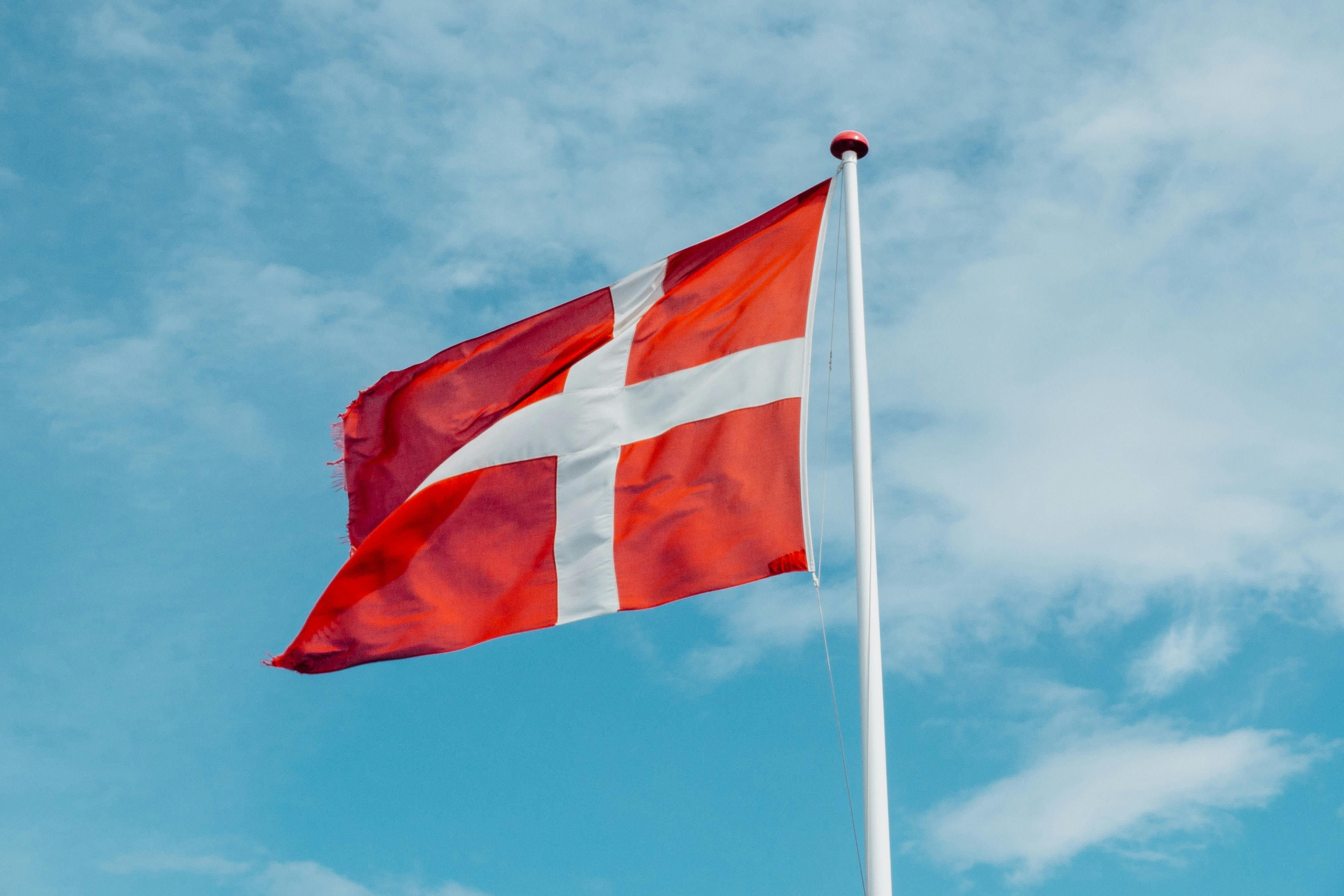
Denmark has a program designed to fight the stigma that accompanies mental disorders. It’s called One of Us.
Giuseppe Parlatore, who lives with paranoid schizophrenia, felt the stigma himself when a former teacher assumed—and said to him—that he must be either self-harming or violent and dangerous to others. He felt shame.
Parlatore, who was diagnosed in 2009, has worked hard to cope with his symptoms and carve out a life for himself. Now he is a leading mental health advocate, working with officials to lessen the stigma of mental disorders.
One of Us works with people called ambassadors, who have mental illnesses, to work with schools, police, and hospitals, sharing their stories and focusing on recovery. The emphasis on hospitals and police, they feel, is necessitated by the fact that personnel mainly see mental patients when they are in crisis rather than when they are coping better with their illnesses.
The Danish Health Authority also has a department of prevention and inequity. Anti-stigma campaigns are a part of the Ministry of Health. They hope to see lasting effects among the population, rather than just short-term upticks in awareness. The Danes see social contacts as more likely to change opinions than education alone.
Still, the battle against stigma requires persistence. Parlatore says that for him, it’s a “generational project.”
Japan

In Japan, there is a thing called kodokushi or “the lonely death.” The population of Japan is aging, and many older adults have little to no social contact. They can die alone and not be discovered for a long time. Social isolation leads to stress and loneliness. But a program designed to encourage physical health is having an effect on the elderly people’s mental health as well.
The “yogurt ladies” started as a way to promote health by selling yogurt to households. They were easily identifiable by their blue uniforms and bicycles. They succeeded very well in making people aware of gut health.
But gut health is also related to stress and chronic loneliness, two factors affecting mental health. Social isolation is, in turn, involved with gut microbiome diversity.
Loneliness is taken seriously in Japan. The government even includes a Ministry of Loneliness, as well as a task force on social isolation. The yogurt ladies provide weekly check-ins, a friendly face, and a chance to interact with someone. They see themselves as people who look out for others. Their services are a practical factor in maintaining gut health, but they perform an important function in reducing social isolation and preventing the “lonely deaths.” The lift they provide weekly is an important factor in maintaining mental health for the aging population of Japan.
Why don’t we have programs like this in the U.S.? I think you know the answer.
Discover more from Bipolar Me
Subscribe to get the latest posts sent to your email.
 Janet Coburn


 Bipolar Me
Comments always welcome!