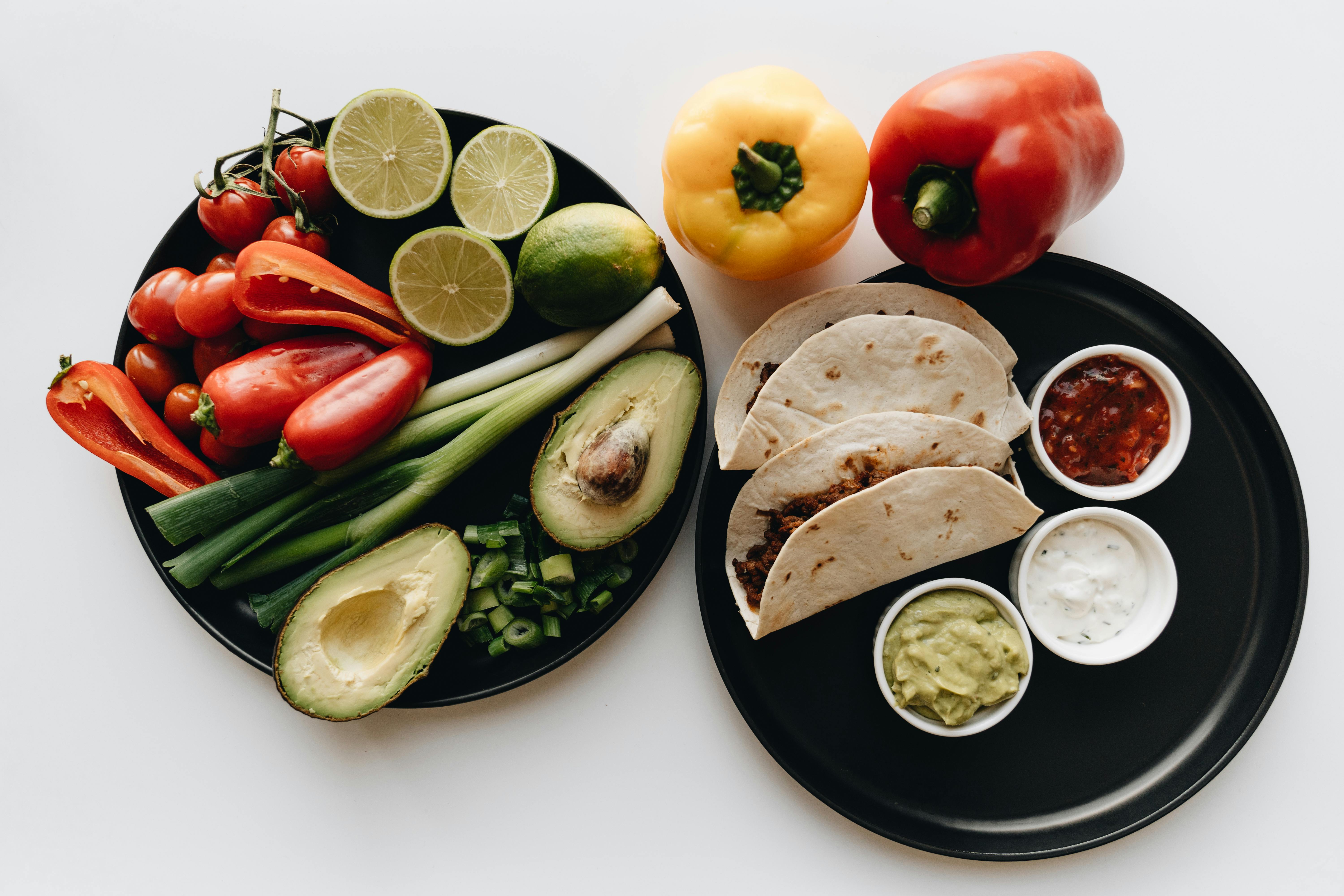
Almost exactly a year ago, I wrote a post called “Is a Keto Diet Good for Bipolar?” In it, I examined the keto diet, one that involves consuming a very low amount of carbohydrates and replacing them with fat to help your body burn fat for energy. That means you should avoid sugary foods, grains and starches, most fruit, beans and legumes, root vegetables and tubers, low-fat or diet products, unhealthy fats, alcohol, and sugar-free diet foods.
What’s left? Good fats like avocados and EVOO, as well as meat, fatty fish, eggs, butter and cream, cheese, nuts, seeds, low-carb veggies, and herbs and spices.
So, what does that sound like—a diet high in meat and fats that avoids most fruit, beans, legumes, and ultra-processed foods? That’s right: the new upside-down food pyramid instituted by Robert F. Kennedy, Jr., the U.S. Health Secretary.
In that previous post, I talked about studies that examined the keto diet as applied to depression and bipolar disorder in particular. The bottom line I left to WebMD: “The advice from WebMD is that there is ‘insufficient evidence’ to recommend the diet as beneficial for mood disorders. They don’t recommend it as a treatment option. As with any diet plan, consulting your doctor first is a good idea.”
Now, however, RFK, Jr., is touting the benefits of a ketogenic diet as a “cure” for schizophrenia. The New York Times called it “an unfounded claim that experts say vastly overstates preliminary research into whether the high-fat, low-carbohydrate diet might help patients with the disorder.”
In fact, the Secretary said, “We now know that the things that you eat are driving mental illness in this country.” He claimed that an unnamed doctor at Harvard had cured schizophrenia, and talked of studies “where people lose their bipolar diagnosis by changing their diet.” He was apparently referring to a 2019 experiment in which two patients “experienced complete remission of symptoms” with the keto diet. He said both patients “were able to stop antipsychotic medications and have remained in remission for years now.” Dr. Palmer, who originally reported the results, made no comment for the Times story.
The post promoting the claims was taken down from the website when evidence was requested to support the assertions.
The ketogenic diet is popular but difficult to stick to with its emphasis on fats over carbs. It’s up to you whether you try it to treat a mental disorder, but my honest opinion is that you shouldn’t stop taking your meds or doing your therapy. Try the keto diet in addition to them if you want to. Stopping your meds with the help of a physician who can guide you in tapering off safely is essential. Don’t go cold turkey, even if you do think the keto diet might help you. It’s simply not safe.
Unlike RFK, Jr., I’m not giving medical advice, only my opinion. Your mileage may vary. Your primary care physician or psychiatrist knows you and your condition best. Ask their advice and follow it.
Discover more from Bipolar Me
Subscribe to get the latest posts sent to your email.
 Janet Coburn


 Bipolar Me
Comments on: "Update: The Keto Diet" (2)
I Think Robert F. Kennedy Jr.’s and Cheryl Hines will make a separated announced by November 2026
LikeLike
It will certainly be interesting to hear what they have to say.
LikeLike