Channeling Positive Thoughts

Everyone who reads this blog (and some who don’t) knows what I think of the positivity movement. To put it in words of one syllable, I hate it.
I hate the memes and signs that say “Good vibes only,” or “If you want to feel better, smile,” or “The only disability is a bad attitude.” Or, worst of all, “You don’t need meds, you need to change your thinking.”
This attitude bugs me because it’s too close to the “Think and Grow Rich” gospel, which I can’t stand either. There are people who go around making money by pushing this attitude (or “attitude of gratitude,” as some phrase it).
To me, it dismisses the real emotional pain that many of us feel and the difficulty of making progress toward a happier, more fulfilling life. If it were as easy as just smiling, we wouldn’t have a crisis of mental illness and a lack of appropriate treatments. In real life, however, wishing mental illness away won’t help. You have to work hard at it, take your meds, go to therapy, do the work, and keep trying even when it feels impossible.
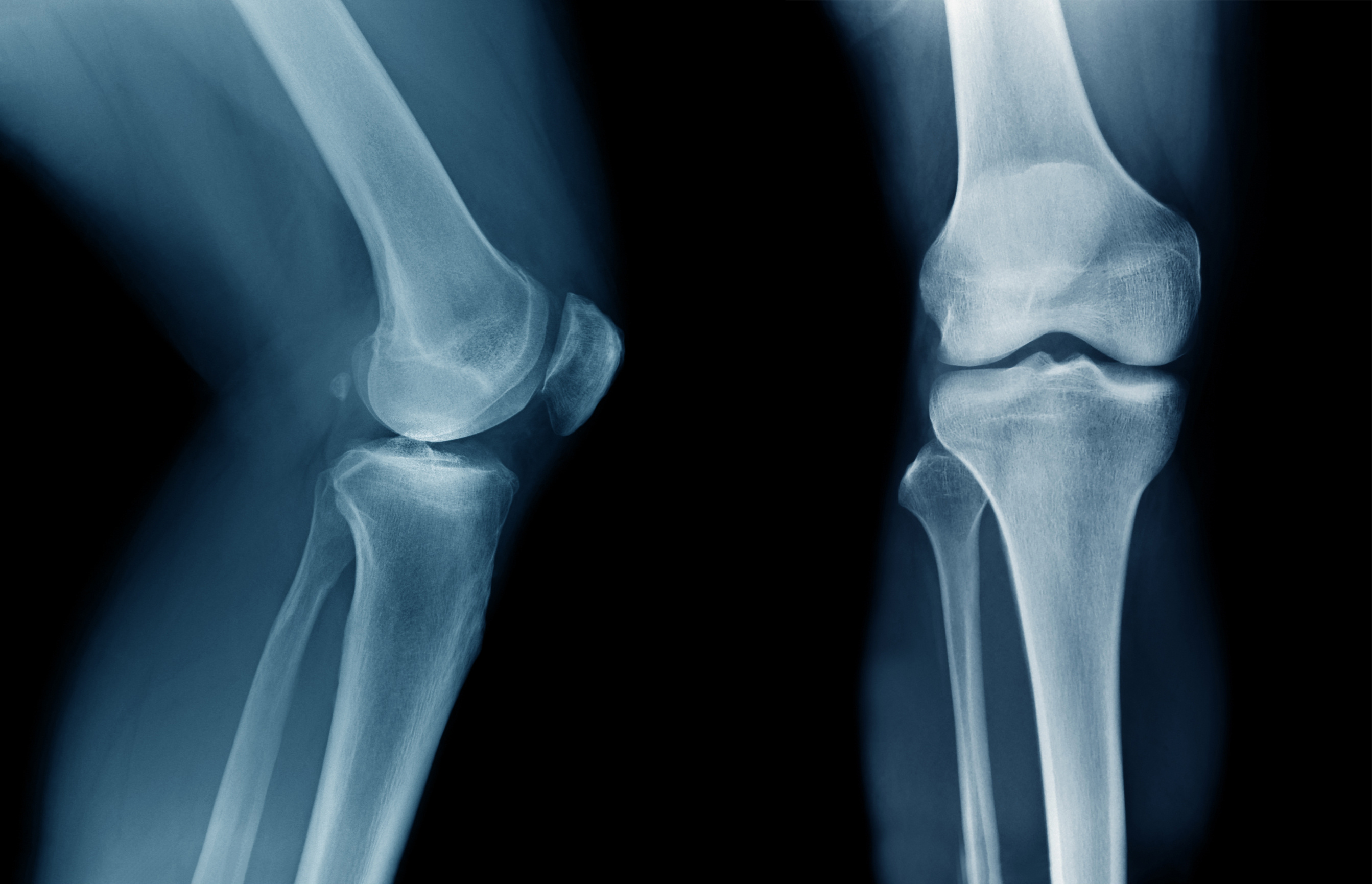
Recently, however, I at least partially changed my opinion on positivity. I had my left knee replaced and was faced with a series of complications, from repeated falls to lymphedema (This involves retaining fluids, in my case in my legs, and lots of swelling. It can lead to heart failure, which is why the docs were so concerned.) I had two stays in the hospital, followed in each case by a stay in a post-acute rehab. (Well, okay, a nursing home, but I was on the short-term wing.) All told, my hospital stays and post-acute stays ate up two months. One of my episodes between rehab and back to the hospital lasted only three days.
When I was in the rehab unit, I had Occupational Therapy and Physical Therapy. I don’t really remember much about the first stay, except that I was still affected by the Lasix I had been given in the hospital, so toileting and transfer from the walker to the toilet were things I had to relearn. When I first began, I needed to have a “spotter” in my room and a red cord to pull if anything went wrong. Later, I was deemed skilled enough to manage by myself. All I can say about that is that I was glad I had recently bought a 10-pack of underwear.
The second stay in rehab was more intense. I had to learn some very basic things all over again. How to walk with a walker and a cane without limping. How to sit down into a chair slowly rather than flopping or flinging myself down on it.
OT consisted of relearning to do everyday tasks like showering using a shower chair or bench (every few days, which is a lot more than I had been capable of before rehab). I had to learn to stand on both feet while I did a task like working a jigsaw puzzle to strengthen my balance and put away groceries in the little kitchen they had set up. And I had to learn how to put on compression stockings without help. (This was made easier when my OT person sent me a link to a pair of zippered compression socks I could order. Zippy socks. Of course, I had grippy socks too.)
PT included remembering to sit without my legs in a descending position (they found the one reclining chair in the facility for me to use) and to sleep with the foot of my bed raised. And there were the exercises. I learned to do foot pumps, quad sets, snow angels, glute squeezes, marching, leg lifts, and others using resistance bands. I increased the number of reps and sets for each. I walked for longer and longer distances with a cane. I did first ten, then 15, then 20 minutes on a cycling machine (my favorite). And they asked me what goals I had, and I told them that I needed to walk up 18 steps to get into the house and up to the bedroom on the second floor, and I wanted to be able to walk from the front door, up the gravel driveway to the car. There was a set of four stairs that I climbed up and down with my cane, and they advised me on how to walk on gravel with my walker.
So where does positivity come into all this? The staff appreciated my willingness to try and to try a little more the next day. Whenever I accomplished anything, they said, “Good job!” They told me that when they told some patients that it was time to do PT, they simply turned over or looked away. But I saw patients with more severe conditions than mine trying and trying again.
I made it my goal to increase my workouts daily, to do quad sets and leg lifts even when sitting in the recliner or lying in bed. I learned to decrease both my sodium intake and my fluid intake. And when I walked in my walker down the hall to the PT gym, I was by God positive. I had the determination to do more than the day before, or at least as much. I thanked the therapists for their help. I kept trying, even when it was hard.
So, in that way, it was like being positive about getting better with my mental illness. In that aspect of my life, too, I did the work. I learned new coping techniques. I kept up with what my therapists taught me. I believed in the power of my meds to help stabilize me, no matter how long it took or what anyone said.
It was a grueling education, but I think I came away with a greater respect for the power of positivity — when it’s combined with hard work. Just smiling won’t do it. Smiling and working to improve your situation can.
 Janet Coburn

 Bipolar Me
Recent Comments