Having Both a Child and a Mental Illness
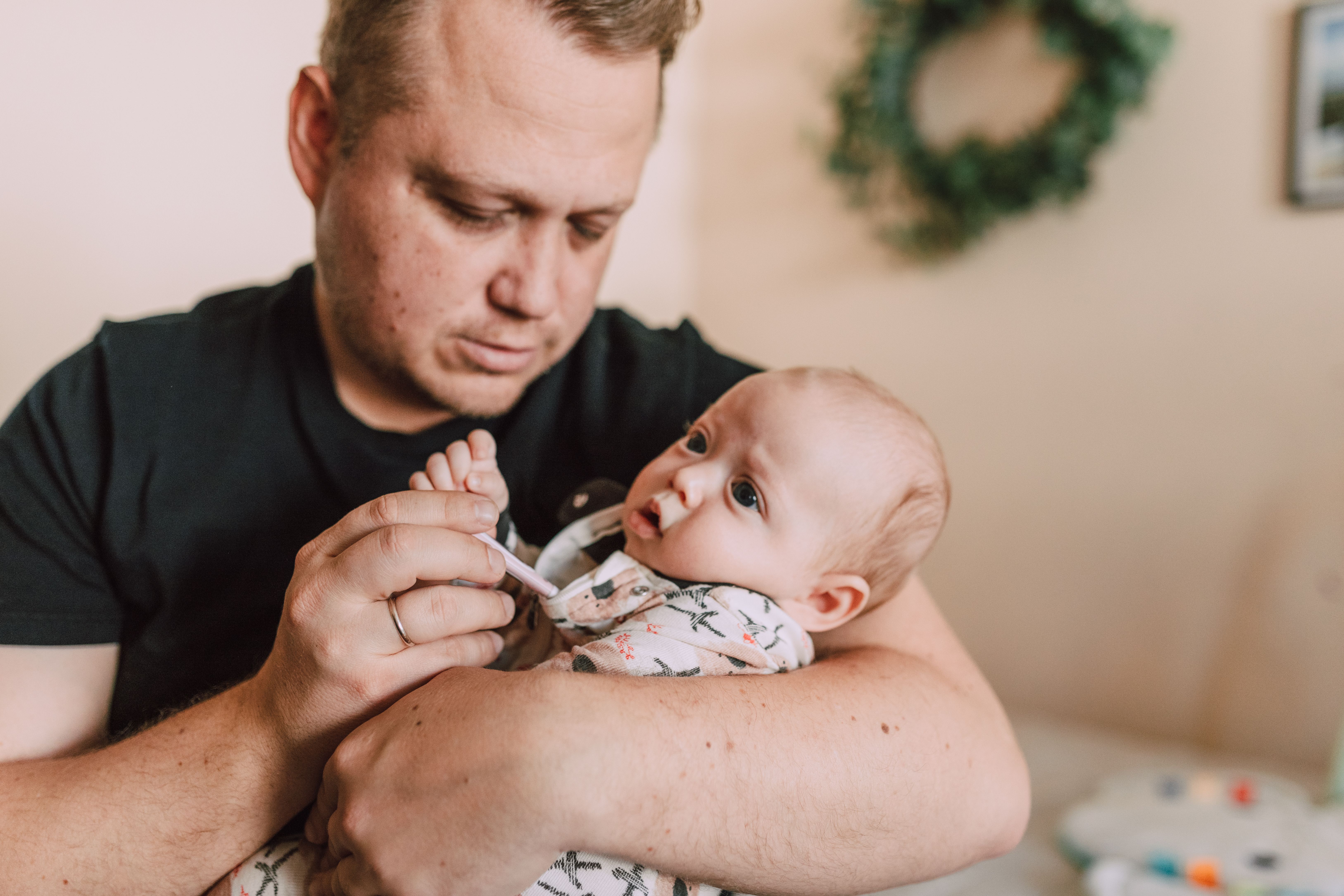
The New York Times recently ran an article by Christina Caron saying that scientists have begun “to study how adults with challenging health conditions weigh parenthood.” Readers of the Times reported that “they were worried about the possibility of passing along mental illness to a child or maintaining their own well-being under the stresses of raising a family.” In one study, people who said they had poor mental health also said that they were less inclined to have children.
Here’s how this has played out in my life.
When I got married, I was in my 20s. My husband wanted children, and I figured if I had a baby, I should have it before I turned 30. Later on, I moved up that timetable. My father was terminally ill, and I thought it would be a good thing if he could see his grandchild before he died.
That was before I was diagnosed with bipolar disorder. After that, I began questioning the wisdom of having a child. My husband, Dan, not to mention his mother, still wanted one, and this became a point of contention. Dan felt the lost potential of a child for many years. When the recession hit, we didn’t have the money to have a child. (We could barely keep up with our own and our cats’ needs for food and health care.)
When my major depressive episode hit, it became apparent to me, at least, that I should not become a parent. I wasn’t able to cope well with my regular, child-free life. How could I possibly cope with the demands of being a mother? Would it be fair to be a mother who was so depressed she couldn’t care for a child properly? Would it be fair to Dan to ask him to do the majority of the many tasks associated with a child?
Even after I pulled out of that depression, I knew there was no guarantee that it wouldn’t happen again. I gave up on the idea of becoming a mother.
Why does mental illness prevent many people from considering parenthood?
There’s the problem of genetics. We know that anxiety and depression, as well as schizophrenia and other brain illnesses, run in families, leaving potential parents to worry that their child might have those diagnoses, too. If I had a child, would I be setting them up for a lifetime of mood swings and medication? Once Dan started on antidepressants, too, after an alarming spell of depression, passing along our disorders seemed even more possible.
Another question is about physical as well as mental health during pregnancy. Once I was diagnosed, I was put on a revolving regimen of multiple psychotropic drugs. Would it even be safe to take them while pregnant? Would they harm the fetus? Cause problems like too-high blood pressure for me? Make the chance of a miscarriage more likely?
And if I stopped taking the meds while pregnant, what would that do to me? Would my fluctuating hormones combine with my fluctuating moods to make my mental health even worse? And once I had the child, would I be more prone than the average mother to experience postpartum depression? Given my history of depression, it seemed a real possibility.
The Times article also discussed societal and family pressure to have a child.
This pressure can make a woman feel guilty or unnatural if she doesn’t want to have a child. There’s already stigma surrounding mental illness. Add the stigma regarding being child-free, and you’re doubling down on guilt, shame, and denial.
Fortunately, my parents didn’t pressure us, and Dan’s brother provided the Reily family with a suitable number of children and grandchildren. But we did get the usual inquiries: When are you going to have a baby? (Note: It was when, not if.) The young daughter of a friend asked why we didn’t have children. Her mother told her that not every couple does, and she seemed to accept that without further questioning. A couple of friends talked about how we had good genes and should pass them along.
Now I’m well past the age at which I have a choice to make. My same-age friends are revelling in their recent grandchildren, and I heartily celebrate their happiness with them.
The people interviewed for the Times article said they had no regrets about their choices.
Neither do I.
 Janet Coburn


Recent Comments