Bipolar 2 From Inside and Out

The quotation from Mark Twain goes, “Of all the things I have lost, I miss my mind the most.” It’s a little annoying, at the least, when people repeat it. Those of us with psychiatric diagnoses don’t actually lose our minds, but we do lose a lot of other things along the way.

Friends

I’ve certainly lost friends because of my bipolar disorder. I can think of two in particular who were very dear friends, but cut off all contact with me when I was at the depths of my depression and they feared I was suicidal. I reached out to them a few times and even sent them a copy of both my books, but got minimal response. I still miss them, though they now live in another state and it’s unlikely that we’ll ever see each other again, even in social settings we all used to frequent.

Jobs

Twice I lost jobs largely because of my bipolar disorder. The first time, I had been isolating a lot, keeping the door to my office closed and barely interacting with any of the other employees. While an open door wasn’t technically a requirement of the job, I was the only editor who habitually hid behind a closed one, and it wasn’t taken well. I’m afraid I got a reputation as being difficult and uncommunicative. Finally, after several incidents where my emotions ran away with me, I was let go.

The second time was at the job I had directly after that job ended. At first, I did all right in the department where I was assigned. Then my boss left and the department was disbanded. I was transferred to another editing group, and there my difficulties began. The people there misunderstood my attempts at humor. My boss didn’t understand bipolar disorder and when she asked, “What does that mean?” I was caught off-guard and made a brief, unhelpful remark to the effect of “Sometimes I have good days and sometimes I have bad days.” I could see her thinking, “What makes you different than anyone else?”

Finally, I was put on probation, the only time in my entire career when that ever happened to me. I decided to leave before they could fire me. Then I went into a period of hypomania about not having to work there anymore and starting a freelance career, which did not turn out as well as I had hoped.

Intellectual abilities

I know a lot of people worry that when they have a disorder such as bipolar, or even when they take medication for it, they will lose some of their brainpower. I never felt that way, but looking back I can see that the disorder also disordered my thinking. Moods of despair and exhilaration interfered with my cognitive functions. In addition to the general dulling of feelings during depression, I also lost the ability to concentrate enough to read, formerly one of my primary and best-loved activities. Even as I mourned the loss of my reading, I was simply unable to pick up a book and follow its contents. I took to watching mindless TV shows instead – really bad ones.

Enjoyment

Just as I no longer found joy in reading, I no longer found other activities enjoyable or interesting as well. I used to love cooking, especially with my husband, but when depressed, I could barely microwave a cup of mac-n-cheese. I loved good conversation with friends, but I barely talked to anyone and ignored friends’ overtures. I enormously enjoyed traveling, but couldn’t summon the energy even for a day trip.

Confidence

I used to be able to do all kinds of things by myself – attend business conventions (and science fiction conventions) and write articles for publication, for example. When I was suffering the most from bipolar disorder, I could do none of these things. When I went to conventions, I needed a bolt hole and spent as much time as I could in my room. At that point, I couldn’t write about my condition or even send emails to friends. One of my friends said, when I was considering ECT, “Write about it! That’s what you do!” But it wasn’t what I did anymore. Putting pen to paper – or words on a screen – was not even a possibility. I asked someone else if she would write about it instead.

Things I haven’t lost

Of course, most of these things came back to me once I was properly diagnosed and medicated. I now read every night, write my blogs every week, travel here and abroad, and make friends that I keep in touch with. I discovered that some of my friends had stuck by me, even when I was in the depths. I still can’t work in an office, but I have found work I can do from home. I enjoy travel again. And if I’m a little slower to get a joke or find a word, it doesn’t bother me so much. I know my brain is just fine, except for occasional glitches.

Losing all those things made me realize just how good my life is now that I am back to being myself. I have my mind back, if it was ever lost at all.

Make a one-time donation

Choose an amount

¤5.00
¤10.00
¤15.00

Or enter a custom amount

¤

Your contribution is appreciated.

Donate
This question comes up all the time, about all kinds of public figures and various sorts of disorders. Does Donald Trump have Narcissistic Personality Disorder? Did Freddie Mercury have undiagnosed bipolar disorder? Do the Kardashians have Body Dysmorphic Disorder? Does Joe Biden have dementia? Was Nancy Reagan co-dependent?

Seven years ago, I wrote about Emily Dickinson (https://bipolarme.blog/2015/03/27/diagnosis-and-dickinson/). Then I said that it is impossible to know whether Dickinson or any other historical personage had any psychiatric disorder and, if they did, what it was. Now I have basically the same thing to say about the “diagnoses” of public figures.

It’s impossible to say whether any given celebrity – or indeed any public or private individual – has a psychiatric disorder unless that person has spoken about it publically. We cannot assume, just from the little we know about another person, that he or she lives with any given condition. This is true not just of psychological disorders, but also physical ones. In the past, it was easier to keep physical difficulties secret. Few knew that John F. Kennedy wore a back brace because of an old injury or that Franklin Roosevelt used a wheelchair because of polio. Only now that their memoirs or the memoirs of their friends have revealed these previously secret afflictions do we know about them.

When it comes to psychiatric diagnoses, the difficulty is not that friends may or may not keep a public person’s secret, but that the public has no real right to know unless the celebrity is open about it. The relationship between a psychiatrist and a patient is confidential. Only the patient can give permission for the doctor to disregard that confidentiality. Lately, it has become common for political figures to endure public examination of their medical records and even psychological records. But this is by no means a requirement for a public office such as president. Really, a president of the US only has to be over 35 years of age, be a natural-born citizen, and get the most votes. And such scrutiny is hardly a requirement – completely irrelevant – for entertainers and athletes.

Speculation about the private lives of public figures has reached the level of a sport. It seems that just because a person has achieved some measure of celebrity, their life is now an open book. Their fans (and detractors, for that matter) want to feel they have a personal connection with the public figure. They want to believe that they know the celebrity better than anyone else. They may feel a kinship with the person because they have the same disorder that the public figure supposedly has. But the most that you can say about a public figure is that he or she shows some behaviors that can be associated with a certain diagnosis – not that the person actually has that condition.

Some celebrated sports figures and actors have been upfront about revealing their own and their families’ stories of psychiatric illnesses. Catherine Zeta-Jones, Glenn Close, Carrie Fisher, and Michael Phelps have let such conditions be known, in hopes of reducing the stigma surrounding mental illness and encouraging others to seek help for their conditions. But these people are the exception. Most people, both celebrities and the general public, suffer in silence.

Basically, the only way to diagnose a person is for them to have an ongoing relationship with a psychiatrist or psychologist. A doctor who has spoken to the individual and spent time with him or her is the only person who can make that diagnosis. Even psychiatrists who testify at trials about the mental state of defendants may not have had any previous, personal contact with them. Yet their opinions help determine the fates of people they don’t really know.

Public figures don’t belong to the public, whatever their fans or detractors may think. Their minds especially are their own. It is reckless, improper, and ultimately futile to speculate on a public or historical figure’s mental state. But people do so and will continue to, as long as there are celebrities and people who feel they have a right to analyze them.

Find this blog interesting? Why not make a one-time donation?

Choose an amount

¤5.00
¤10.00
¤15.00

Or enter a custom amount

¤

Your contribution is appreciated.

Donate

Bipolar Myths Debunked

Bipolar disorder is misunderstood by many. There are many helpful, reliable sources on the internet that explain it well and many books that provide both psychological expertise and personal stories of living with bipolar. Still, the general public believes many myths about the disorder. Here are a few of them and the real information that can counteract them.

Bipolar is bipolar is bipolar. There are many types of bipolar disorder. The best known are bipolar 1 and bipolar 2. But there are also bipolar 3 and 4 – less well-known but still troubling versions of the disorder. Bipolar 3 is also called cyclothymic disorder. Bipolar 4 is bipolar due to another medical or substance abuse disorder. Each of these types of bipolar has differing symptoms – mania and depression for different lengths of time, for example – but they are not identical.

Hourly mood swings are symptoms of bipolar disorder. It’s common for people to say that their friend’s moods change rapidly, so they must have bipolar disorder. This is a misconception. Bipolar disorder is characterized by alternating periods of mania and depression, but these last longer than hours or days. They can and do last for months or even years. There are types of bipolar disorder that are called rapid-cycling and ultra-rapid cycling, but these forms of the condition still feature episodes of mania and depression that occur up to four times in a year. There is (or may be) ultra-ultra-rapid cycling bipolar, which can manifest over a day or two, but this is extremely rare.

You can “fix” someone with bipolar. No, you can’t. My husband tried to fix me, with no success. Perhaps because he had some experience as an aide in a psychiatric facility or because he had once led a laughter therapy group, he thought he could. He loves me more than anyone ever has, but I was immune to his attempts. When he offered advice, I told him to “quit shrinking at me.” When he told the same joke over and over trying to get a laugh out of me, I just looked at him. Even a psychiatrist and medication can’t “fix” a person with bipolar disorder. They can help to alleviate the condition and even help a person go into remission, but there is just no fixing bipolar.

Bipolar people end up hospitalized. Although some people with bipolar disorder are hospitalized, this is far from the only outcome for them, and many are hospitalized only for short periods. In fact, it can be very difficult to find a hospital or psychiatric facility when one is needed. The closing of many care facilities and the low number of beds available, along with insurance requirements, have contributed to this. Hospitalization is considered in emergency situations, such as when bipolar persons are an immediate threat to themselves or others. Outpatient treatment is preferred for all but the most extreme cases.

Medication, particularly with lithium, is the only treatment for bipolar. Lithium was the first medication to be used with bipolar patients, but it is now far from the only one. Medication (with a wide array of choices) is certainly an important treatment for bipolar disorder, but there are others. “Talk therapy” can help people with bipolar develop coping mechanisms and deal with mood swings. If medication doesn’t work, there are more avenues that can be explored. ECT (electro-convulsive treatment) has come a long way from the bad old days and the horrors depicted in Cuckoo’s Nest. TMS (transcranial magnetic stimulation) is another kind of therapy that has shown progress in treatment-resistant bipolar disorder. Ketamine infusions are also being studied and tried as a treatment. There are people who find nutrition, mindfulness, exercise, and other techniques helpful, and these can be productive adjuncts to other kinds of treatment.

Bipolar people are violent. People with mental illnesses are more often the victims of violence than perpetrators, despite what you may have seen in the movies, television shows, and even news stories. People are quick to say that any violence is due to mental illness or a person who is “off their meds,” but this is quite often a knee-jerk reaction with a questionable basis in fact. The risk of violence is minimal for bipolar persons unless they are also substance abusers.

Bipolar people can’t have romantic relationships, friends, or families. Relationships may be more difficult with bipolar disorder, as they are for many people with mental illnesses, but they are not impossible. Many families care deeply and support their relatives who have bipolar, and many people who have bipolar have loving relationships, marriages, and families of their own. These relationships may be more difficult than those that non-bipolar people have, but they are not impossible. It is true that family members and friends may not understand mental illness and may reject anyone who has them, but there are also many who will stand by you, help you heal, and even advocate for you. Besides, relationships among the general population are not guaranteed to be long-lasting and trouble-free either!

You may share this post with anyone who believes these myths. Perhaps it will lead them to a more realistic view of bipolar disorder and help them better understand friends and family members who are affected by it.

Did you find this post helpful? Consider making a one-time donation. Help keep this blog going!

Choose an amount

¤5.00
¤10.00
¤15.00

Or enter a custom amount

¤

Your contribution is appreciated.

Donate
Image by Richelle, from AdobeStock.com

Not long ago, I noticed that C-SPAN was going to be featuring testimony before Congress on mental health issues and legislation. I thought I’d see what was up. What I heard was a lot of questions about the opioid crisis and what the nation’s response to that ought to be. I tuned out and turned it off. I had been hoping to hear about issues such as insurance parity, access to treatment, assisted outpatient treatment, and more. Instead, what I got was a focus on substance use and abuse.

I also recently saw a map that indicated which states had reimbursement programs for Substance Use Disorders (SUD) and Mental Health initiatives. By far, most of the programs were for SUD. States that covered mental health conditions were in the minority, and most of them provided coverage for both SUD and mental illnesses.

I’m not denying that substance use and abuse are problems in the U.S or that legislative attention needs to be paid to them. I know the opioid crisis is tragically affecting individuals and communities across the country. Nonetheless, I wish as much attention was paid to mental health issues. They affect individuals and communities, too.

I was a little short-sighted as well as impatient, however. The two topics are not mutually exclusive. Mental illness and drug use are often comorbidities (also called co-occurring disorders or dual diagnoses). Still, there are in many places rehab facilities for people who abuse drugs and alcohol, and separate facilities for people with mental illness.

The two conditions share many characteristics. Both can be attributed to brain chemistry. Very Well Mind notes, “[t]he activation of the brain’s reward system is central to problems arising from drug use. The rewarding feeling that people experience as a result of taking drugs may be so profound that they neglect other normal activities in favor of taking the drug.” The effects of brain chemistry on mental illnesses such as depression, bipolar disorder, and schizophrenia are not well understood and are even debated. But though the mechanisms of action on the brain may be different, there is little doubt that the brain is involved in both addiction and mental illness. Medline Plus notes that there are other similarities in causation, including genetics, stress, and trauma.

Various psychiatric disorders are associated with substance use, including psychotic disorder, mood disorders, OCD, sleep disorders, sexual dysfunction, and neurocognitive disorders. Despite this, PubMed has said, “In spite of the high association between substance use and psychiatric disorders, there is a surprising paucity of studies related to treatment and outcome. A few well-designed studies have been recently published and more studies of this nature are required in order to address the challenges posed in the treatment of dual disorders.” One thorough, well-researched article with many sources listed is available from MentalHelp.net.

The latest version of the DSM recognizes the overlapping of substance abuse and mental illness, with substance-related disorders added to the DSM 5. Addiction Policy Forum reports: “The DSM-5 has eleven criteria, or symptoms, for substance use disorders based on decades of research. The DSM-5 has helped change how we think about addictions by not overly focusing on withdrawal.”

The National Alliance on Mental Illness (NAMI) says, “The best treatment for dual diagnosis is integrated intervention, when a person receives care for both their diagnosed mental illness and substance use disorder. The idea that ‘I cannot treat your depression because you are also drinking’ is outdated — current thinking requires both issues be addressed.” They add that the treatment should consist of six elements: inpatient detoxification and inpatient rehabilitation; psychotherapy – especially Cognitive Behavioral Therapy (CBT); medications – including those that assist in detoxification; supportive housing such as group homes; self-help; and support groups, whether faith-based or not.

Of course, the idea that substance use and abuse are diseases has not caught on with many members of the general public. They consider them to be personal failings or the result of having no self-control or hanging around with disreputable friends. Perhaps that is one reason public officials do not listen to those who promote changes in legislation to improve both substance abuse and mental health care. The intersection of addiction and mental health challenges is even more foreign. Advocates who contact their legislators are likely to be brushed off with a “Thank you for contacting my office” letter. Politicians are also disinclined to listen to medical advisors on the subject, especially now that their attention is focused on COVID-19 policy.

Perhaps those who advocate for more enlightened responses to substance use and abuse issues, mental health treatment, and dual diagnoses should start a little lower. Educating legislators is fine, but change is not likely to result until their constituents demand it. For one thing, advocates for reform could attend local city or county meetings in order to counter the pervasive NIMBY (Not In My Back Yard) response to treatment facilities. They could also educate their family members and friends about the realities of drug use, mental illness, and the intersection between them. When more people understand these ideas, they may be more likely to support legislative approaches that encompass them.

Grassroots efforts such as Mothers Against Drunk Drivers (MADD) have worked in the past to contribute to societal change and legislation regarding that problem. It may take a similar effort to achieve change in how addiction and mental illness are understood and treated.

I still think the Congressperson wasn’t talking about dual diagnoses, though.

Do you agree with this post? Consider making a donation to help keep this blog going.

Choose an amount

¤5.00
¤10.00
¤15.00

Or enter a custom amount

¤

Your contribution is appreciated.

Donate

My hypomania and my anxiety are fighting each other. Here’s what happened to start the quarrel.

There wasn’t much work for me over the holidays and into February. The transcription company that I freelance for didn’t have many assignments to give out, and, being part-time, I was low on the list to get them. Plus, one of the company’s biggest clients was leaving. And my husband and I got COVID, so it was impossible for him and difficult for me to work.

The job at the transcription company isn’t great. I make a few hundred dollars a month, which is a good supplement to my Social Security and my husband’s pay. I’m really a crappy typist, though, so it takes me longer to finish assignments than it does for most people. I work only four days a week, but it feels like full-time.

But, with the job likely to go away entirely, my anxiety was triggered. I figured it was time to look for a new part-time gig, maybe one that wouldn’t be as taxing.

I started my job search and eventually found a company that was hiring remote online tutors, which seemed perfect for me. My bipolar disorder makes it difficult for me to work in an office, especially in a 9-to-5 job. I’ve done it in the past, but don’t think I could anymore.

Then good news came – the transcription job wasn’t going away after all. A new client had signed on (though the work hasn’t started to come in yet, so I have no idea what the pattern of assignments will be).

I didn’t want to give up on the tutoring job. (I haven’t started yet, as they are still processing my paperwork.) I figured I might be able to do both, tutoring on the three days per week that I wasn’t transcribing, or in the mornings between assignments. The tutoring gig requires only five hours per week, though you can take on more.

Then I got a lead on a job editing, which is my real love when it comes to work. And I began to wonder whether I could do that in addition to both the tutoring job and the typing job.

Of course, that’s hypomania talking. I don’t get hypomania very often and when I do, I have a hard time recognizing it. My husband sometimes notices it before I do and gently reminds me when he sees me starting to go overboard. “You’d be awfully busy,” he said, looking dubious. It made me stop and think. For one thing, it made me think that it might not have been a good idea to buy the new computer that the tutoring job would require. For another, my time off with him is precious, and I wouldn’t like losing that.

The typing job is supposed to get rolling again, but I like it the least, as it isn’t a good use of my real skill set. But I’ve been doing it for several years now, so I’m kind of used to it. The prospect of having no extra money coming in scares me, though, enough that I am really considering getting that second part-time job. That’s my anxiety talking as well as my hypomania.

Realistically, I ought to just stay with the job I have and hope that the new client works out. Now that that is a possibility, maybe I should give up the idea of more work. But the uncertainty that I’ve recently experienced tells me that I ought to have another way to jump, just in case.

Which will win – my anxiety, my hypomania, or my husband’s common sense? I really want that editing job . . . .

Help keep this blog going. Why not make a one-time donation?

Choose an amount

¤2.50
¤5.00
¤10.00

Or enter a custom amount

¤

Your contribution is appreciated.

Donate

Going Off (Some) Meds

I regularly tell people not to go off their meds without consulting their psychiatrist. I yell at them, in all caps. It’s not just a bad idea, it can result in withdrawal and even lessening the meds’ effectiveness if you do go back on them. Yet recently, I went off two psych meds without my psychiatrist’s prior approval.

Here’s what happened.

My husband and I recently had COVID – probably the Delta or Omicron Variant, as we have both been triple-vaxxed. That is to say, my husband tested positive for COVID and I have close contact with him, plus I had the same symptoms that he did.

Since we didn’t need expensive and rare treatments or hospital stays and ventilators, we relied on over-the-counter medication to treat the symptoms, which included sore throat, coughing, fever, congestion, and fatigue. We recovered in a couple of weeks to a month and my husband is back to his job, where he regularly interacts with numbers of people. I work at home, so I didn’t have that problem. I just needed to take some time off when I felt truly crappy.

When we read the directions on the OTC symptom-relief pills, however, there was a warning that said not to take anti-anxiety agents or sleep aids with them. My regular routine has been to take a sleeping aid at bedtime and an anti-anxiety pill in the morning and at bedtime, with an extra dose allowed if I have an anxiety attack during the day. I have been taking both of the meds literally for years and have never had any problems with them. (I won’t say what any of the medications are, since everyone has different reactions to different medications, and my reactions, while fairly typical, won’t hold true for everyone.)

Perhaps out of an excess of caution, I decided not to take the anti-anxiety and sleeping meds while on the OTC ones. When I quit taking them, though, I was worried that I might experience some of the ill effects that were possible.

Throughout the course of my bout of COVID, I didn’t notice any withdrawal symptoms, excess anxiety, or difficulty sleeping as I feared I might. In fact, I slept better than usual and had fewer attacks of anxiety. So I decided that I would try going off the two meds for a while, even after I felt better. It was about six weeks until my next med check with my psychiatrist.

Of course, when my med check came around, I told my psychiatrist what I had done and why. I thought he might react badly when I said that I did this on my own, without his advice and consent.

Instead, he seemed thrilled.

“Good for you,” he said. “You’ve stopped taking the two addictive ones, too.”

I had known those drugs were potentially addictive, which was why I was watching for withdrawal symptoms. I took the lack of these as signs that, though the drugs were addictive, I was not addicted. (My psychiatrist has to regularly have an analysis done to show whether his patients have a high risk of abusing psych meds or taking more than needed. My score was 0%.)

It felt good to have my psychiatrist validate that I had done a good thing and not a bad one. But even more, it felt good to be taking fewer pills each day. I’ve never minded having to take pills or felt ashamed of taking them, but it was still significant to me that I had lowered my medication schedule to just the ones that had beneficial psychotropic effects, such as antidepressants and mood stabilizers. I was delighted to find that I didn’t need as many pills as I had once thought.

All in all, my experiment was a success, but I was lucky, and my experience is not medical advice. I don’t recommend it to anyone else. Consult your prescribing physician before you cut back on or stop any medication. I MEAN IT!

Help keep this blog going! Make a one-time donation.

Choose an amount

¤2.00
¤5.00
¤10.00

Or enter a custom amount

¤

Your contribution is appreciated.

Donate
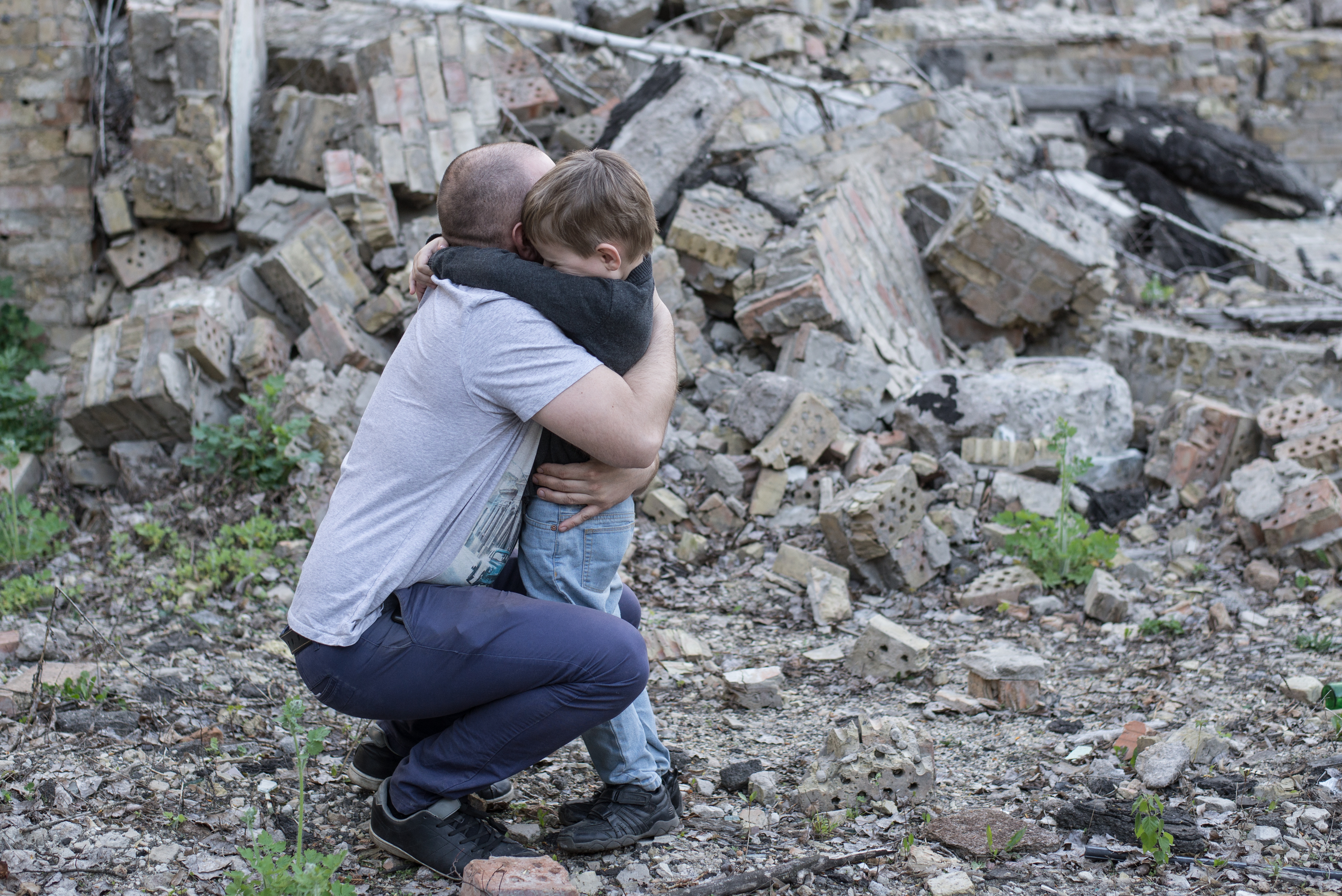
When I first went to my therapist, I often described my life and myself as “pathetic.” Slowly, as I made progress, I stopped doing that. It was a revelation that took some time to sink in. Here are some of the things my therapist said and did to help me overcome this harmful description of myself and my bipolar disorder.

Refusing to accept my description. This may seem like an obvious thing, but it had real meaning for me. I had been majorly depressed for approximately three years and bipolar as long as I could remember. I couldn’t do anything – get out of bed, shower, feed myself or the cats, or perform the tasks of daily living. (My husband picked up the slack. Thank God for him.) My therapist never said in so many words, “You’re not pathetic” or “Your thinking is wrong.” She just patiently spent the time with me and gave me tools I could use to get better.

You’d think I would take this as denying my perception of reality, which I ordinarily hate when anyone tries it. But this time, I welcomed it. It was nice at that point to have someone denying my perception because Dr. B.’s perception was so much more appealing than mine. It gave me something to shoot for – a time when I would no longer feel that “pathetic” was an apt description. She also let me cry it out, which I often did when I was feeling particularly pathetic.

Baby steps. (Also known as “Eat the elephant one bite at a time.”) My healing was slow, thousands of baby steps of accomplishing more and more. Because my therapist never gave up, neither did I. Baby steps take you only so far at a time – after all, they’re tiny. But over time, they add up to a measurable distance. As I slowly moved away from my “pathetic” label, I also moved away from feeling pathetic. Eventually, I was able to eat, if not the whole elephant, at least a larger portion of it through slow but steady progress.

Not that I didn’t sometimes backslide. Whenever I hit another depressive episode, my feeling of pathetic-ness came roaring back. It was only as I learned that some other feeling was possible that I was able to catch a glimpse of a time when pathetic might no longer describe me.

Saying, “Look how far you’ve come.” This is something that my therapist kept reminding me. Dr. B. noted that I was becoming able to get out of bed to come to her office. She would bring up the tools that I had acquired or developed to help myself leave the bad old days largely in the past. She would also point out that I not only remembered those tools, I was using them.

Sticking with me. Dr. B. was also there when I backslid. A couple of times I had made so much progress that I thought I was able to go it alone. But, sooner or later, I would need a “booster shot” of work with her to remind me of the things that I really already knew. When I was feeling too low to make it into the office, we would have phone sessions. When COVID hit and in-person visits became even more difficult or impossible to arrange, we began having videoconference sessions. Slowly, I worked up from every week to once every two weeks to once every three weeks – and am now meeting with her only once a month.

And, let me tell you, it feels great not to feel pathetic anymore.


Help keep this blog going. Make a one-time donation.

Choose an amount

¤2.00
¤5.00
¤10.00

Or enter a custom amount

¤

Your contribution is appreciated.

Donate

Some people who have mental illnesses say that stigma is a problem. Others say that’s not the real problem – a lack of social or political action is. I say, why not combine the two?

Stigma Fighters (https://stigmafighters.com/) and other organizations such as the International Bipolar Foundation (ibpf.org/), the National Alliance on Mental Illness (NAMI) (https://www.nami.org/Get-Involved/Pledge-to-Be-StigmaFree), and even Facebook groups, promote the eradication of the stigma surrounding mental health issues. They say that mental illness is stigmatized in our society – some even deny that it exists – because people don’t understand it. This happens when churches say that mental illness is a sign of sin or refuse to welcome people with mental problems into their congregations or have any kind of outreach to them. It happens when a person is honest about having a mental illness and tells her boss or friends about it and receives negative feedback, incomprehension, or the back-away-slowly-and-don’t-make-eye-contact look.

People who believe that stigma is a problem say that stigma is one of the largest reasons that people refuse to seek treatment for their mental disorders. Being seen going into a psychiatric clinic, people finding out that the person sees a psychiatrist, and being ignored or discounted when talking about mental illness are seen as ways that stigma propagates.

People who believe that stigma is a problem promote education as the main solution. If more people understood what mental illness is and how many people suffer from it, they would be less likely to discriminate against those who have mental conditions. Stories about celebrities who have mental dysfunctions or whose relatives do are considered inspiring and helpful. Stars who speak out encourage others to seek treatment (though it’s increasingly true that public expressions of mental illness diagnoses are tied to specific online therapy businesses).

People who believe that political action is necessary also try to effect changes in people’s thinking, but, more importantly, support changes in the systems that are supposed to provide services to the mentally ill. These systems include schools where mental illness plays no part in the curriculum; lack of beds for psychiatric patients in hospitals; the response of police to calls regarding people with mental disturbances; the number of medical schools that provide no information to doctors; the lack of psychiatrists, especially in rural communities, which mean people must wait a long time for services or have no access to them at all; politicians who put mental health issues low on their list of priorities; law enforcement that reacts with deadly violence to calls involving persons with mental illnesses; and health insurance and EAP (Employee Assistance Programs) that treat mental illness differently than physical illness or even addictions. NAMI promotes grassroots activism as one facet of the appropriate response to such problems (https://www.nami.org/Advocacy/Advocate-for-Change).

People advocating for political change also see education as one partial solution to the problems caused or exacerbated by insurance companies, educators, medical schools, media, law enforcement personnel, correctional facilities, and politicians. Political action is seen as the right course to take to improve conditions. (Though it should be noted that people have sent books about the breakdown in societal responses to mental illness to politicians and receive only standardized, unhelpful “thank you” letters that are mostly signed and sent by staffers rather than the political figure.)

I say that education is the best response to both of these problems. Education of the general population about the realities of mental illness will lead to less stigma. Education of the voters, their representatives, and their local communities will help to lessen the inequities and difficulties that now abound.

This will not be easy. Education about the realities of mental illness is hard to convey to either citizens at large or politicians and others who have some degree of authority. Until it touches their own lives, people will largely be blind to the problems. Educational campaigns and the testimony of celebrities may help educate individuals. But politicians are likewise only affected by the aspects that touch their own lives, such as the public revelations by those like Kitty Dukakis (wife of former presidential candidate Michael Dukakis), who has been quite open about her mental difficulties and her ECT treatments (https://www.amazon.com/Shock-Healing-Power-Electroconvulsive-Therapy/dp/1583332839).

What I fear is that these individual occurrences will motivate only a small number of people enough to make a change in society as a whole. It’s easy enough to say, “Oh, Catherine Zeta-Jones has bipolar disorder. Too bad for her, but that doesn’t affect me” or “Someone in my family has a mental illness, but my constituents won’t support legislation to benefit the homeless mentally ill or to provide halfway houses in their neighborhoods. Better to spend my time and influence on stopping terrorism or drugs.”

But until or unless something changes, mental health will still be swept aside or ignored outright. People at large need to understand that just because mental illness hasn’t touched their lives so far, it still could in the future. Public officials and public servants need to believe that mental illness issues are vital to their communities and something that can be made better if only they have the courage and compassion to make the necessary changes.

Stigma-fighting or political action? Both are problems that need solving and education is at least part of the solution to both. And it appears that it’s up to us, those who have mental illnesses, to do the educating.

Make a one-time donation to keep this blog going.

Choose an amount

¤1.00
¤5.00
¤10.00

Or enter a custom amount

¤

Your contribution is appreciated.

Donate

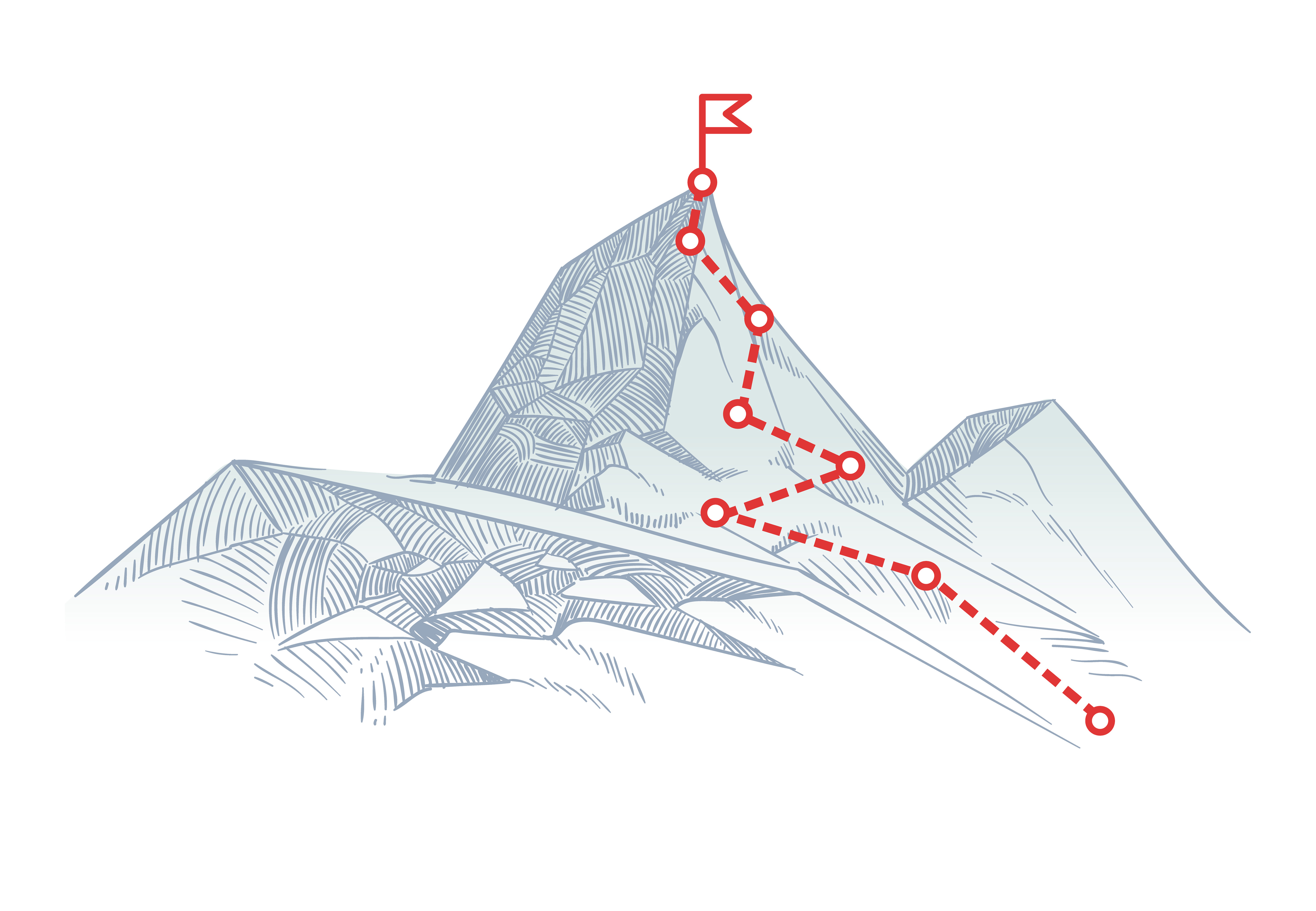
I thought I had depression and that’s what I was first diagnosed with. Later, I learned that I really had bipolar disorder, type 2, with an anxiety disorder on top of it. Here’s what I learned on my journey to a proper diagnosis.

Understanding. Once I was diagnosed with bipolar disorder, a lot of things from my life started making more sense. I finally realized that some of the inane things I thought and did as a child/teen were attributable to hypomania. Being idiotically happy when I won a goldfish at a carnival, carrying it before me, grinning like a loon. Near-constant mirth when I read a novel parody, laughing long and loudly every time someone used a word or phrase that reminded me of it. Luckily, I didn’t have any money to spend, or I would have done that too, based on my later behavior. Even things I did as an adult before my proper diagnosis made more sense – flight of ideas, pressured speech, and the like.

Second opinion. Going to a different psychiatrist and finally getting the right diagnosis was, in many ways, like getting a second opinion. We don’t often hesitate to get a second opinion on matters concerning our physical health (and insurance companies may require it). Why is it different when it comes to our mental health? I’m not saying that doctor-shopping is a good idea or that a diagnosis of depression did me no good at all. It just took a different psychiatrist to put together all my symptoms in a way that made sense to me as well as to him.

The “Aha Moment.” When I got my bipolar diagnosis, it was like a wake-up call. I instantly understood that my psychiatrist was right. Once I had that insight, I was able to explore my actual disorder in various ways – further sessions with him and with my psychotherapist, reading books and reliable online sources, sharing with other people who have the same diagnosis and listening to their experiences.

Getting the right meds. I had been taking medications for depression for many years. Then I learned that I might – did – need treatment with anti-anxiety medications, mood levelers, and other kinds of drugs that specifically targeted bipolar symptoms. I still needed meds for depression, but I needed a “cocktail” of drugs that addressed all my difficulties, not just one.

Going on maintenance meds. The process of settling on that cocktail of meds took a long and difficult time, but once I had the right diagnosis and the right meds, I was able to cut back to seeing a psychiatrist four times a year to get renewals on my “maintenance” medications. The process that stabilized me also allowed me and my doctor to make “tweaks” to the dosages to correspond with increased or lessened symptoms.

A new revelation. My learning about my disorder didn’t stop with my new diagnosis. Recently I learned that my depression could be what is called “dysthymia,” a type of depression that is roughly equivalent to the difference between mania and hypomania in bipolar 2. I wasn’t sure this applied to me, as my depressive episodes seemed long enough and severe enough to be considered major depression, but after consulting my therapist and other reliable sources, I began to see how a dysthymia diagnosis actually did correspond to my symptoms.

Having hope. The most important thing that the right diagnosis gave me was hope. Properly understanding my disorder and the correct treatments for it allowed me to hope that I could achieve stability and healing from all the years when I didn’t realize I was suffering from hypomania as well as depression. I could at last look forward to a life where my disorder didn’t control me. With help from my psychiatrist and the medications he prescribed, I have been able to live a contented and productive life. Work, stable relationships, and the other benefits of having proper treatment are achievable – and I have largely achieved my goals in life.

And my new diagnosis has been responsible for it.

Help keep this blog going.

Choose an amount

¤1.00
¤5.00
¤10.00

Or enter a custom amount

¤

Your contribution is appreciated.

Donate

In 1887, investigative journalist Nellie Bly pretended to be insane so that she could report on the conditions in a New York asylum. The results of her sojourn there were the subject of her book Ten Days in a Madhouse and became the catalyst of increased funding for mental institutions. (I wrote about her in https://bipolarme.blog/2016/03/20/what-is-sanity/.)

Now there is a book that recounts an even earlier example of a woman who publicized the conditions in an insane asylum. It has a bearing on the rights of mental patients and involuntary commitment.

The legal rights of mental patients have been much discussed of late. Involuntary commitment is a particularly thorny subject. Some people decry it as a violation of civil rights. Others point to its usefulness in cases of extreme danger to self and others, but also in cases of anosognosia that do not quite meet that standard. “Assisted outpatient therapy” is one version of involuntary commitment that has many supporters. (See my post https://bipolarme.blog/2020/03/08/systemic-breakdown-and-involuntary-commitment/.)

Long before this became a matter of debate, and a couple of decades before Nellie Bly’s exposé, a woman crusaded for the rights of mental patients and against the practice of involuntary commitment. Of course, the involuntary commitment she decried was of married women by their husbands, and in 1860s Illinois, husbands were perfectly able to do that. The causes cited could be as varied as novel reading and masturbation (two separate categories). For Elizabeth Packard, the reason her husband gave was that she was insane because she disagreed with his religious opinions and dared to teach her opinions to others.

Karen Moore’s book The Woman They Could Not Silence recounts Packard’s story, in detail. Meticulously researched (as was Moore’s previous book, The Radium Girls), the nonfiction work is based on many primary sources, including Packard’s own writings (from when she was in the asylum and hid her papers, in one case inside her hat, as well as the book and pamphlets she published) and newspaper accounts of her crusade and her trial.

Packard’s trial was a result of a law she had promoted requiring a civil jury trial before a married woman could be committed, instead of on her husband’s word and the recommendation of an asylum doctor. Interestingly, immediately before the jury trials were mandated to begin, hundreds of married women were miraculously “cured” and released from the asylum where Packard had been held.

Once released from the asylum, three years after being committed, Packard became a tireless campaigner for the rights of the involuntarily committed and of married women (who at the time were not entitled to their own money or property, or even their own children). Packard also exposed the abuses that mental patients suffered at the hands of asylum staff, including isolation, beatings, and cold water baths (near-drowning) used as punishment. Another policy that she sought to have changed was withholding mail from mental patients. Packard had been prevented from reading supportive letters that her relatives had written.

Women dabbling in politics was not common, or approved of, at the time. Packard was able to influence lawmakers and other officials with a combination of her compelling speaking style, her eloquent presentation of her cause, and her remarkable tenacity. To say that she had an agenda is putting it mildly.

The prologue to The Woman They Could Not Silence begins, “If she screamed, she sealed her fate. She had to keep her rage locked up inside her, her feelings as tightly buttoned as her blouse,” and the book ends, “There was a world out there that needed reforming. And she was determined to do it.”

The Woman They Could Not Silence (subtitled One Woman, Her Incredible Fight for Freedom, and the Men Who Tried to Make Her Disappear) was selected by A Mighty Girl (http://www.amightygirl.com/), which serves as a clearinghouse for books, toys, and other products for adults and children, as one of their “Pick of the Day” recommended books for adults.

I highly recommend it too.

Help keep this blog going!

Choose an amount

$1.00
$5.00
$10.00

Your contribution is appreciated.

Donate