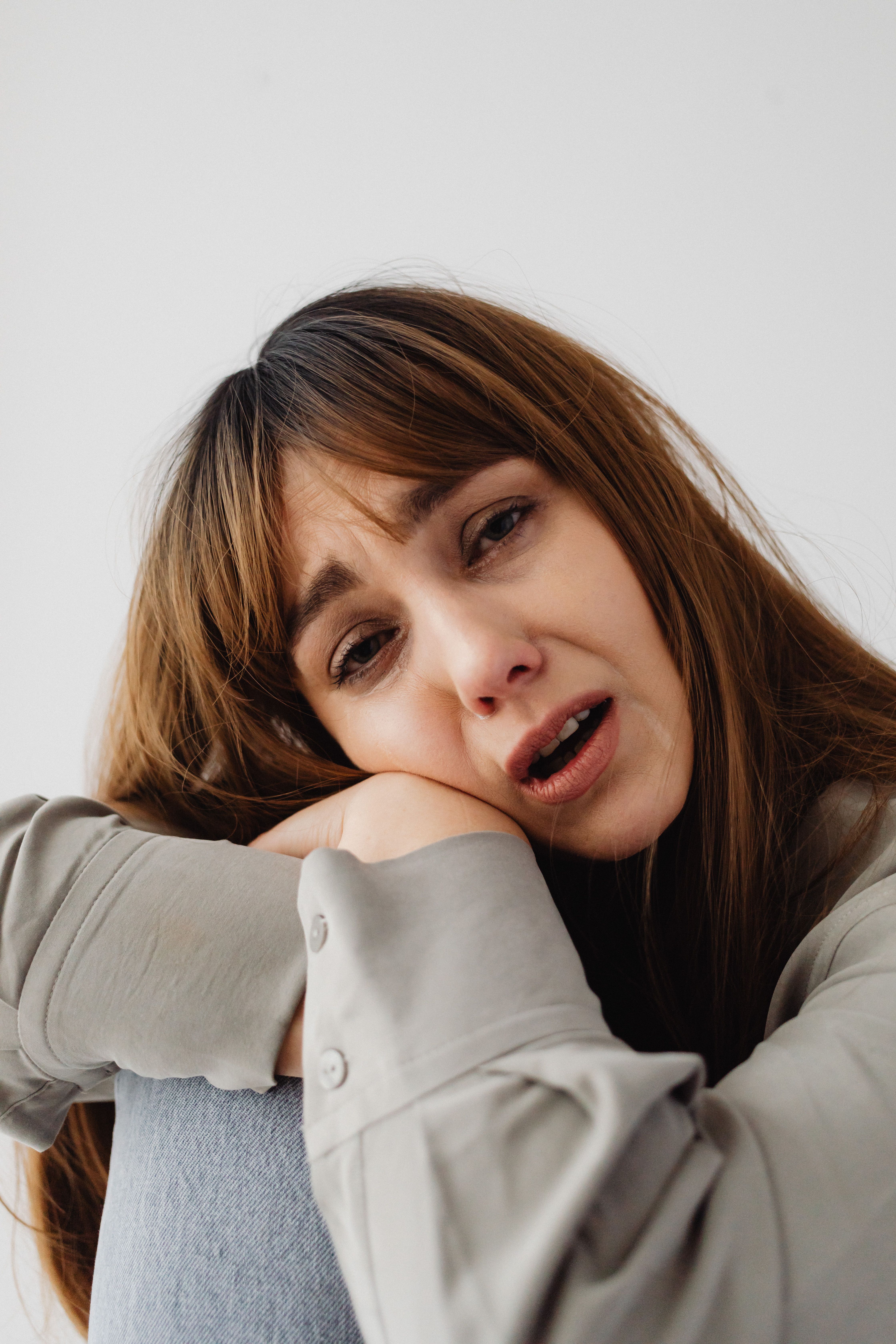
There’s pain, and there’s pain. There’s all kinds of pain, and people with mental disorders often have a wide array of them.
Most people think of emotional pain, but physical pain is part of the various conditions as well. There are headaches, certainly, but bodily aches and pains are also possible.
Then there’s the pain that abides in your heart and soul. That kind of pain can beat you down in a way no physical pain could.
Look at it this way. The brain and the body are inextricably connected. What affects the brain can affect the body as well, and vice versa.
When you’re stressed, your body—specifically your adrenal glands—releases the hormone cortisol, which is part of the old, familiar fight-or-flight response. This is part of an evolutionary response that was supposed to keep you safe from primeval dangers, which were frequent. Nowadays, those threats are much less common, but the body responds to modern-day stressors in the same way, with cortisol. Too much stress and too much cortisol for too long a time can have physical effects:
- muscle tension
- pain
- insomnia
- feelings of restlessness
- headaches
- digestive symptoms
- autoimmune disorders
- high blood pressure
- high blood sugar
Cortisol is also associated with depression. When cortisol overactivates the body’s defense systems, the results can be depressive as well. Depression has physical symptoms, too, which include:
- low energy
- sleep disturbances
- appetite and weight changes
- unexplained aches and pains
- moving, walking, or speaking slowly
- “brain fog”
- sluggishness
There’s the paradox: physical problems like high cortisol levels can result in symptoms of either anxiety or depression. Some doctors believe that the symptoms are “all in your head.” But your symptoms are very real, even if they are caused by anxiety or depression. You may find it dismissive to be told that your problems are psychosomatic. But the elements of the word “psychosomatic” (psycho and somatic) mean “mind” and “body,” which does imply a link between the two. If your doctor can’t find a physical cause for your various symptoms after appropriate testing, it may be advisable to have a mental health examination to explore whether they may be caused by anxiety or depression.
Many of the usual suggestions for reducing stress and depression actually address the physical causes. Exercise puts cortisol to good use, as it stimulates your heartbeat, for example. It’s also a good way to concentrate on something other than your stressors. Deep breathing, on the other hand, slows your metabolism by reducing the production of cortisol. Calming techniques won’t cure your anxiety or stress, but they may alleviate them for a time, giving both your mind and body a rest.
Right now, I’m having a spell of depression, and physical symptoms are certainly contributing to it. I have a wound on my foot, which is slow to heal and very painful. I also have severe osteoarthritis in one knee. These afflictions do cause me stress. When will the wound heal so that I can walk on it without pain again? When will I be able to afford a knee replacement? Will it cause the complications that my first knee replacement did? My limited mobility concerns me as well. When will I be able to get enough exercise so that I can become stronger and better able to heal from my conditions? And I have physical symptoms such as reduced appetite, excessive sleepiness, and lack of energy.
I do know that the problems of my mind and body are intertwined. Depression increases both my physical pain and my feelings of helplessness. Right now, my psychiatrist appointments are to monitor my medication. My primary care physician, wound care clinic, and orthopedist are addressing my physical pain. My psychological pain, however, is not being helped by the onset of the holidays, which this year includes a milestone birthday. I am hoping that, now that the gardening season is over, my husband will have more time to spend with me, which often lightens my mood.
I know this situation will not last forever, but however long it does last is too long. So say both my body and my mind.
And as to the soul-sucking variety of pain, well, we’ll get to that another time.
Discover more from Bipolar Me
Subscribe to get the latest posts sent to your email.
 Janet Coburn


Comments always welcome!