Teens and Social Media: A Contrary Opinion
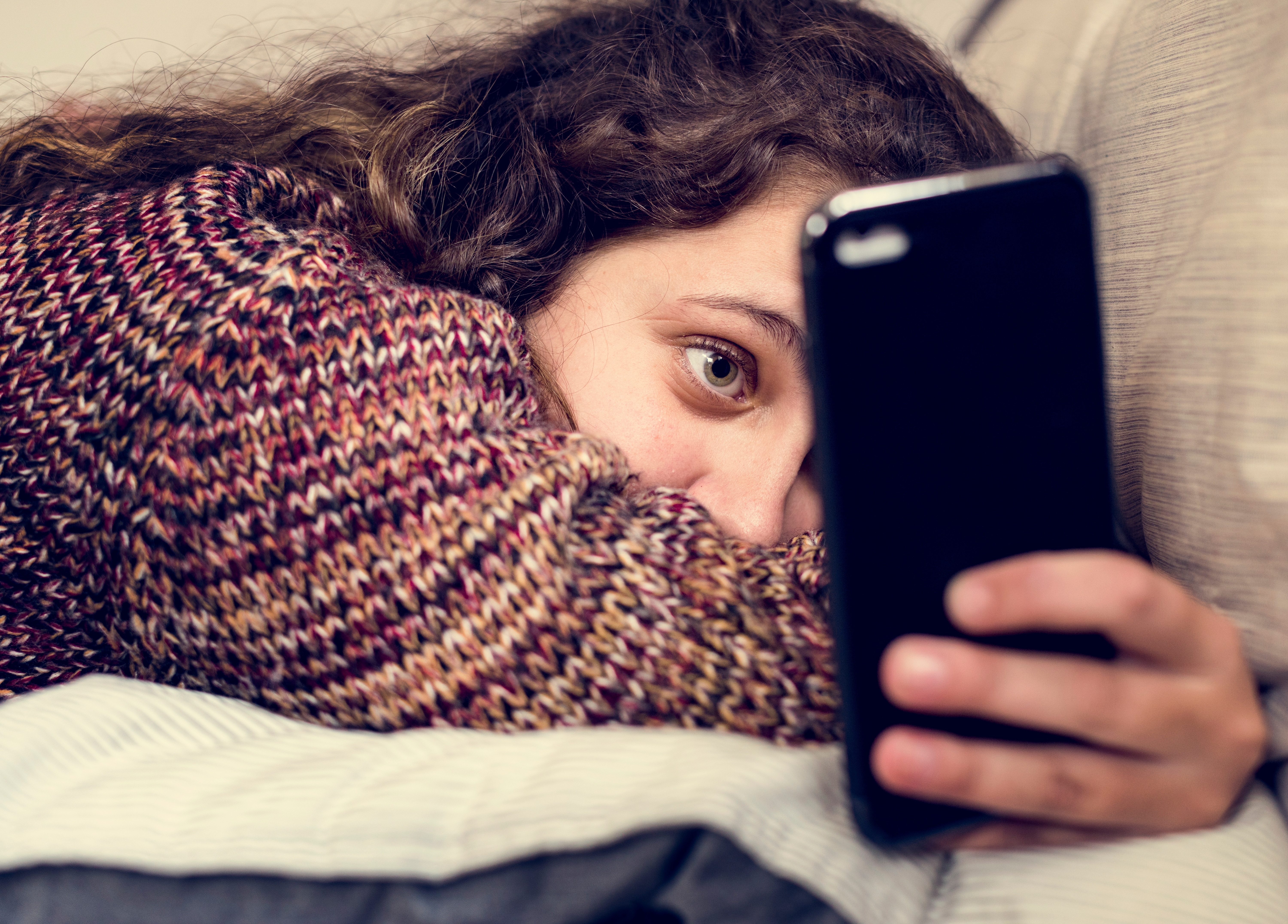
Vivek Murthy, the US Surgeon General, just released an advisory on the dangers to teen mental health that social media poses.
CNN reports, “While noting some benefits of the online platforms, the report warns of increasing concern and ‘ample indicators’ that social media can have ‘a profound risk of harm to the mental health and well-being of children and adolescents.’ The 19-page report acknowledges that further research is needed and that online youth well-being is shaped by many complex factors, including screen time, content, and countless strengths and vulnerabilities of individual users.'”
There have been warnings about this crisis for over a decade. According to NPR, psychologist Jean Twenge looked at mental health metrics around 2012 and was shocked: “Rates of depression, anxiety, and loneliness were rising. And [Twenge] had a hypothesis for the cause: smartphones and all the social media that comes along with them. ‘Smartphones were used by the majority of Americans around 2012, and that’s the same time loneliness increases. That’s very suspicious,’ she wrote in The Atlantic in 2017.”
Well, I’m not so sure. Twenge also said that “22% of 10th-grade girls spend seven or more hours a day on social media.” That does sound like an alarming statistic, but it also means that over three-quarters of 10th-grade girls didn’t.
Other stats are similarly suspect. For example, “Teen social media use has skyrocketed in recent years. The rise in tech use coincides with rising rates of anxiety, depression, and loneliness.” This may be true, but it’s a far cry from saying that the rise in social media use causes the rising rates of mental distress. Throughout the years, everything from comic books to rock and roll to video games has been said to cause ills from teen violence to drug use to sexual deviancy. But correlation – the fact that two things happened around the same time – does not equal causation – that the one circumstance causes the other.
Similarly, “A study — considered one of the best to date on the subject — found an uptick in mental health issues after Facebook arrived on college campuses.” Even though it was thought to be one of the best, there were flaws in it (only lasting four weeks, for example), and once again, it suffers from the correlation-causation problem.
Now, I’m not arguing that social media isn’t at all related to adverse psychological outcomes. I’m just saying that the talk about them may not be incontrovertible evidence.
Certainly, social media has bad effects on teens – in particular, in cases of cyberstalking and cyberbullying. Cyberbullying has even been blamed in cases of teen suicide, though it seems likely that mental issues of existing depression, isolation, and low self-esteem are involved as well. I’m not going to say there’s anything even remotely questionable there. A lonely, isolated, depressed teen can be preyed upon by a bully, either same-age or older, taking advantage of their insecurities and desire for connection. The fact that this can end in tragedy is no surprise.
The technology of social media makes it easier for bullies to spread their messages further and more quickly than was possible in previous days. The potentially worldwide audience for hate and degradation makes the behavior even more devastating. But, while the technology makes the problem worse, the underlying cause is still bullying. Current efforts at reducing bullying have been largely ineffective. I don’t see how reducing cyberbullying will be any more successful.
Still, most of the objections to social media seem to focus on time spent and “inappropriate content.” And when they say “time spent,” they aren’t talking about the positive aspect of social media on education and homework. We learned during the COVID-19 pandemic about how social media can be used to further education. Zoom meetings for project work, Google searches for research topics, YouTube for instructional videos, and more are appropriate uses of social media.
As to “inappropriate content,” that’s always been available, from magazines to movies. True, there is a greater variety of content with greater disgustingness available. But just as it was never possible to shelter teens from magazines and movies, shutting off inappropriate content is not feasible. Nor can parents reliably monitor their teens’ social media use and the content they interact with. Adults are attached to their own screens, whether for business, shopping, entertainment, or accessing adult content themselves – not to mention all the other tasks they perform. They can’t be looking over teens’ shoulders all the time. Maybe it’s possible to take away a younger child’s smartphone at bedtime, but not teens’.
Some of the objectionable content doesn’t relate to sex, either – or at least not directly. Teen girls are hammered with content that encourages them to be thinner, more compliant with unrealistic adult standards of beauty, and ways of molding themselves into those images. This does promote negative self-images of teen girls’ reality and expectations, leading to lower self-esteem and, potentially, depression. Again, though, short of parents monitoring teen social media use, there’s virtually no way to stop this. Parents have no control over the messages that are coming in and little over how much gets through to teens.
And while the Surgeon General’s report makes some mention of the good aspects of social media, the potential for social media to foster beneficial connections is undeniable – another lesson we should have learned from the pandemic. Teens can keep in touch with friends from around the world, interact with relatives in other states, and attend virtual meetings and events. And if they use that personal connection time to engage in teen talk and trivia with their friends, that’s been true of teens since time immemorial. Think back on how many current adults spent hours talking on their low-tech phones after school with their friends.
So what are the solutions? There aren’t very many, and they aren’t very likely. Some potential (partial) remedies can be tried in schools – more anti-bullying education, and more tech education that focuses on ethics and responsibility. But, of course, those would take time away from the many other educational imperatives that schools have been made responsible for.
The other potential solutions are even less likely. There’s no way to stop content producers from producing objectionable content – not just porn and shady dating sites, but the many messages that teens get about their appearance, dangerous behavior, and other matters of questionable good and benefit.
So, are the warnings justified? Probably, yes. Teens are not just impressionable. Their brains are still pliable and forming. The content they see and hear through the internet does not take that into account. Parents can’t effectively monitor teens’ online behavior, and content producers won’t change what they put out – it’s too profitable.
Alerting parents to the dangers is all well and wonderful, but pointing out a problem with no solutions isn’t all that helpful, really. Here’s one story for parents about what might help: https://www.npr.org/sections/health-shots/2023/05/17/1176452284/teens-social-media-phone-habit?utm_source=npr_newsletter&utm_medium=email&utm_content=20230528&utm_term=8496137&utm_campaign=news&utm_id=57068906&orgid=726&utm_att1=

 Janet Coburn

 Bipolar Me
Recent Comments