Bipolar 2 From Inside and Out

Archive for December, 2025

Does Being Paranoid Make Sense?
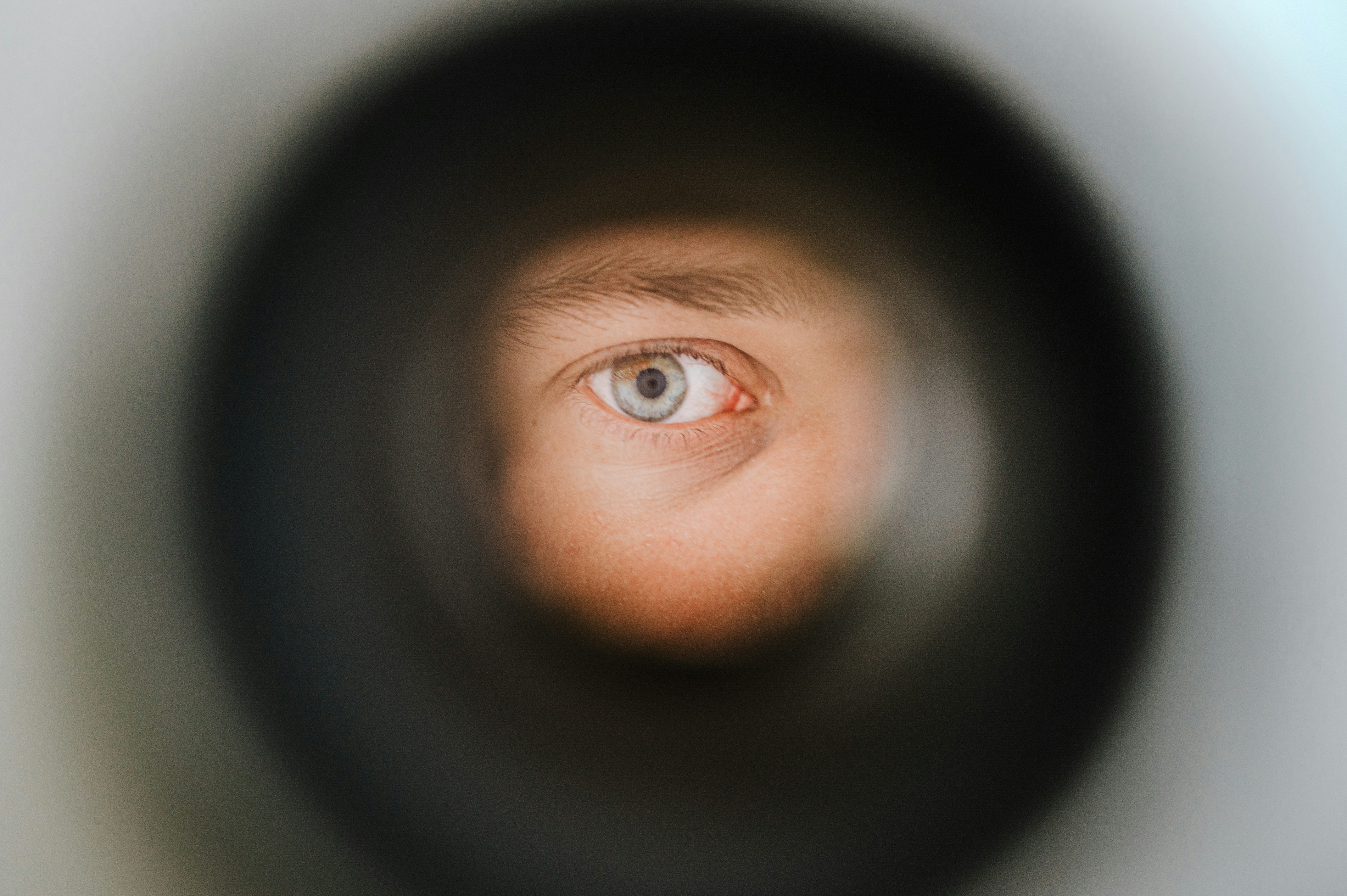
Everyone has heard the joke: It’s not paranoia if they really are out to get you.

It used to be that it was a joke. But now, with the increasing growth of the “surveillance society,” it’s more and more possible that you have something to be paranoid about.

First, let’s clarify: Paranoid Personality Disorder (PPD) is a diagnosis in itself. On its own, paranoia can be a symptom of other mental conditions. Or it can be a fairly normal reaction to modern life.

PPD means that you have a persistent, long-standing belief that adds up to a pattern of distrust and suspicion of others. It’s more common in men than women, and may have a genetic component. It limits a person’s social life because they feel distrust that is out of proportion to reality. It can also make the person feel that they are in danger, and then make them look for evidence that their suspicions are true. They fear other people’s hidden motives or believe that they will be exploited or harmed. Other symptoms include social isolation, an inability to work with others, detachment, or hostility.

Although paranoid people are often mocked as being part of the “tin-foil hat squad,” PPD is nothing to be laughed at. A person’s life can be severely impacted. Because of their disorder, they are likely to be detached and hostile. That doesn’t make for good work or social relations. However, the person with PPD may not realize that their feelings are abnormal.

While there’s no real cure for PPD, the symptoms can be lessened by treatments like cognitive behavioral therapy, family therapy, reality testing, or meds that reduce stress and anxiety. Atypical antipsychotics, antidepressants, and mood stabilizers can also be prescribed. Various vitamins, minerals, and acupuncture have been tried, but were found to be largely ineffective.

Paranoia can be a symptom of other mental illnesses, too. Several conditions that can include paranoia symptoms are schizophrenia, schizoaffective disorder, delusional disorder (persecutory type), and extreme cases of depression, anxiety, or bipolar disorder. Paranoia can even affect someone who’s simply under severe stress.

But now, the distrust may not be out of proportion with the reality. Cameras are everywhere. People on the street take pictures of any interesting building or tree and don’t care who’s in the background. The police monitor how fast you drive; record your license plate if you cross a bridge; and subpoena surveillance tapes from hotels, casinos, parking lots, and ATMs. Anything you put out on the internet is there forever, discoverable and shareable. Big box stores have even been known to note when a person buys a pregnancy test kit and start sending them coupons for diapers and such. And airports! They’re increasingly full of facial recognition devices and revealing body scanners. You don’t have to be a criminal to have your image, movements, spending habits, and other activities collected in one way or another.

Scientific American suggests “being watched can provoke psychological discomfort and physical fight-or-flight responses such as sweating.” They also report that “researchers have found that being watched also affects cognitive functions such as memory and attention….The research so far suggests that bringing more surveillance into workplaces—usually an attempt to boost productivity—could be counterproductive. It also suggests that testing in online environments where students are watched through webcams by human proctors or AI could lead to lower performance.” 

What can the average person do when confronted by a friend or family member with PPD or paranoia caused by another condition? Dealing with the content of the delusions doesn’t usually help. You can’t simply talk someone out of something they deeply believe, however mistaken they are.

Instead, focus on what they’re feeling rather than what they fear. Comfort your friend or family member, but be general: not “The CIA doesn’t care what you think,” but “You’re safe. I’m here. Everything’s fine.” Then suggest an activity to distract the person from their thoughts: “Let’s go for ice cream,” or “Didn’t you want to see that new rom-com movie?” Let them know that you’ll be there when they need you. Then, prove it to them by showing up when they feel distressed.

Just as you would for someone with any other mental illness.
Lifelong Meds?

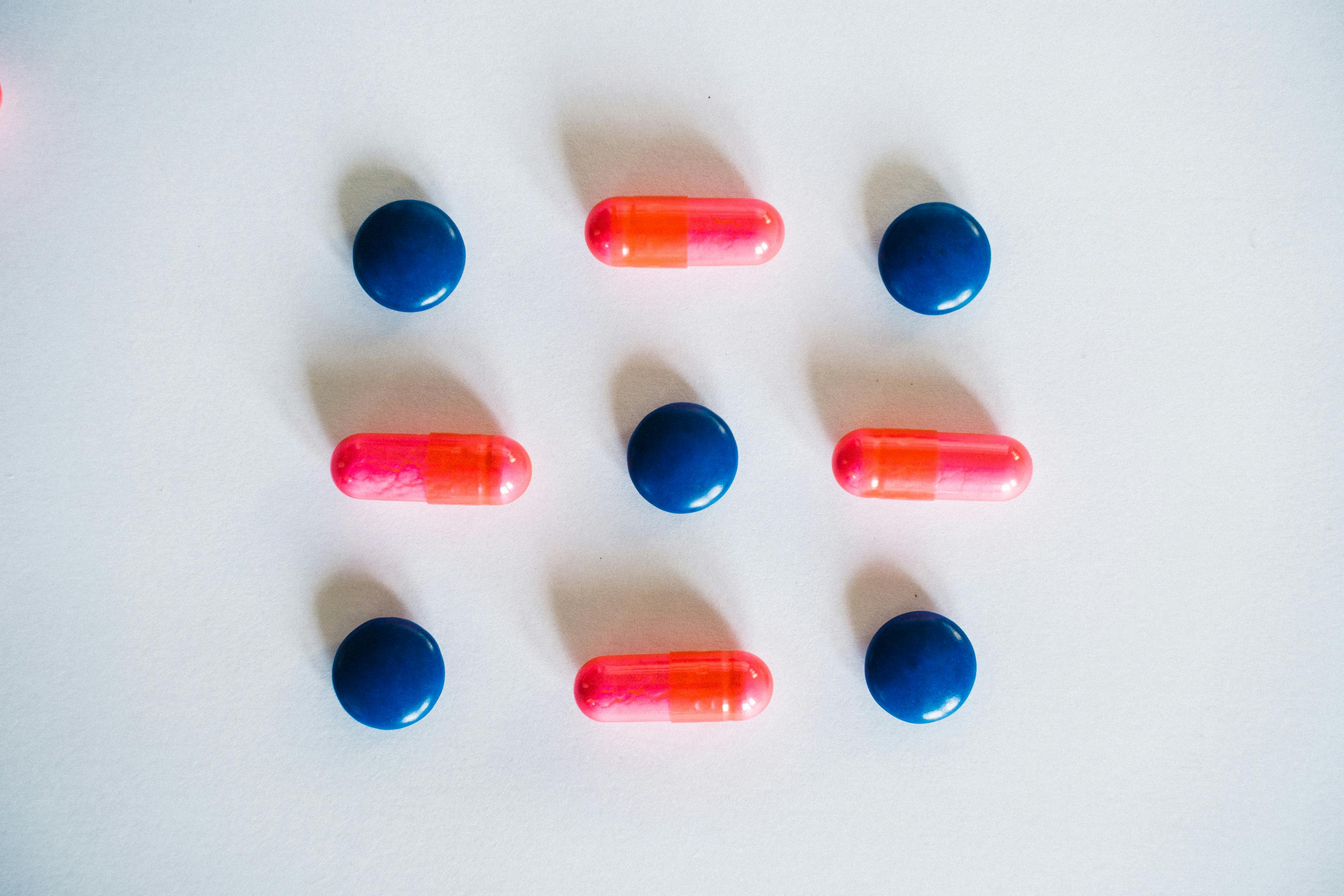
I was in my 20s when I started taking Prozac. Now I’m nearing 70 and still taking SSRIs, though the names have changed over the years.

When I was first diagnosed with depression (which was before I was diagnosed with bipolar 2 and anxiety), I understood it to be a lifelong condition. When my diagnosis changed, I still thought of it as a lifelong disorder requiring lifelong treatment. So far, that has proved to be true. I have been on antidepressants ever since and fully expect to stay on them forever, or at least until a cure is at last found.

Recently, however, the New York Times published an article that examined whether the received wisdom was still true. Did someone, once prescribed antidepressants, whether for depression, OCD, PTSD, or another mental illness, have to continue taking them for the rest of their life? The article noted that the FDA’s approval of the drugs was based on trials that lasted only a few months. Other “in-depth” studies lasted two years or fewer. The Times also noted, “Current clinical guidelines do not specify the optimal amount of time they should be taken for.”

Many people stop taking antidepressants on their own, based on side effects and a dislike of them, the fact that the drugs seem to stop working (either fairly quickly or over the long term), or simply because they dislike taking pills. According to the Times, however, “The answer depends on your symptoms, diagnosis, response to the medication, side effects, and other factors—all things to discuss with a medical professional.” In other words, cold turkey isn’t the way to go. With psychotropic drugs such as benzos, it’s positively dangerous, and quitting antidepressants brings the risk of falling back into the depression you and your doctor were trying to alleviate. Tapering off the drug with the help of your prescribing physician is recommended.

And about those side effects—some disappear over time as the body gets used to the medication, but others, particularly annoying ones like weight gain, sexual dysfunction, and possibly increased heart symptoms, linger. A doctor can prescribe a different drug in hopes that the side effects will not be so severe, but they may only be similar or worse. Patients generally don’t like tinkering with their medication and having to wait weeks until the effects appear and the side effects disappear. It’s a tedious and discouraging prospect.

What do the clinical guidelines say? Experts say that antidepressants, once they work, should be taken for four to nine months. Any quicker than that, relapse may occur. To maintain the positive effects, they should be taken for two to four years. Taking them for longer periods is sometimes advised, depending on how long the depression lasted and whether the patient has had several depressive episodes. Long-term use depends on whether the illness has continued for a long time and whether the depression is very severe, causing hospital stays and a loss of the ability to perform daily functions.

All in all, says Dr. Paul Nestadt, the medical director of the Center for Suicide Prevention at the Johns Hopkins Bloomberg School of Public Health, “I’m still of the opinion that, in people who have real depression, the benefits outweigh the risk.”

So, continuing to take antidepressants is really up to me and my doctor. At this point in my life, I see my doctor quarterly for a med check. We sometimes tinker with the dosages, based on my symptoms at the time, but for the most part, we stick with what has been working. As the saying goes, “If it ain’t broke, don’t fix it.” And since it ain’t broke, I’m content to keep taking my antidepressant (and other medications) for the foreseeable future.

Note: This post is not medical advice and should not be taken as such. Discuss medical questions with your physician, especially before stopping a medication.

What’s the Future of Ketamine Treatment?

You’ve likely heard about the use of ketamine and other psychedelic drugs in the treatment of SMI. Many people have found it helpful for alleviating—though not curing—treatment-resistant depression and PTSD. Ketamine, long used as a surgical anesthetic, is given for mental health purposes via IV or injection as an off-label use or as an FDA-approved nasal spray, under the supervision of a doctor.

It’s that supervision of a doctor that’s proving to be a problem, now in Texas and perhaps in other states soon.

On December 3rd of this year, MindSite News Daily published a story about ketamine being under fire in Texas.

The state of Texas has permitted clinics to administer ketamine if they’re under the supervision of a licensed physician, such as an anesthesiologist—though not always one onsite. The off-site doctor sometimes has nurse practitioners, paramedics, or physicians’ assistants perform the actual procedure at the clinic. It’s a form of telemedicine. But a change in the rules, influenced by the Texas Medical Board and the Texas Society of Anesthesiologists, might mean that Texas clinics will have to have a doctor physically present.

It’s true that ketamine has been known to produce trance-like hallucinations or, in some cases, even heart failure. And it may interact with other medications like benzos that a patient may be taking. In non-medical circles, ketamine is known as a “party drug” referred to as “Special K.” And, naturally, no physician is usually present at these parties.

But when used correctly under the supervision of a professional, ketamine may result in a trance-like state that can even alleviate suicidal thoughts. Until now, Texas has been a leader in using psychedelics such as ketamine and exploring psilocybin or ibogaine to treat PTSD or MDD in particular. The number of veterans living in Texas makes this procedure especially needed.

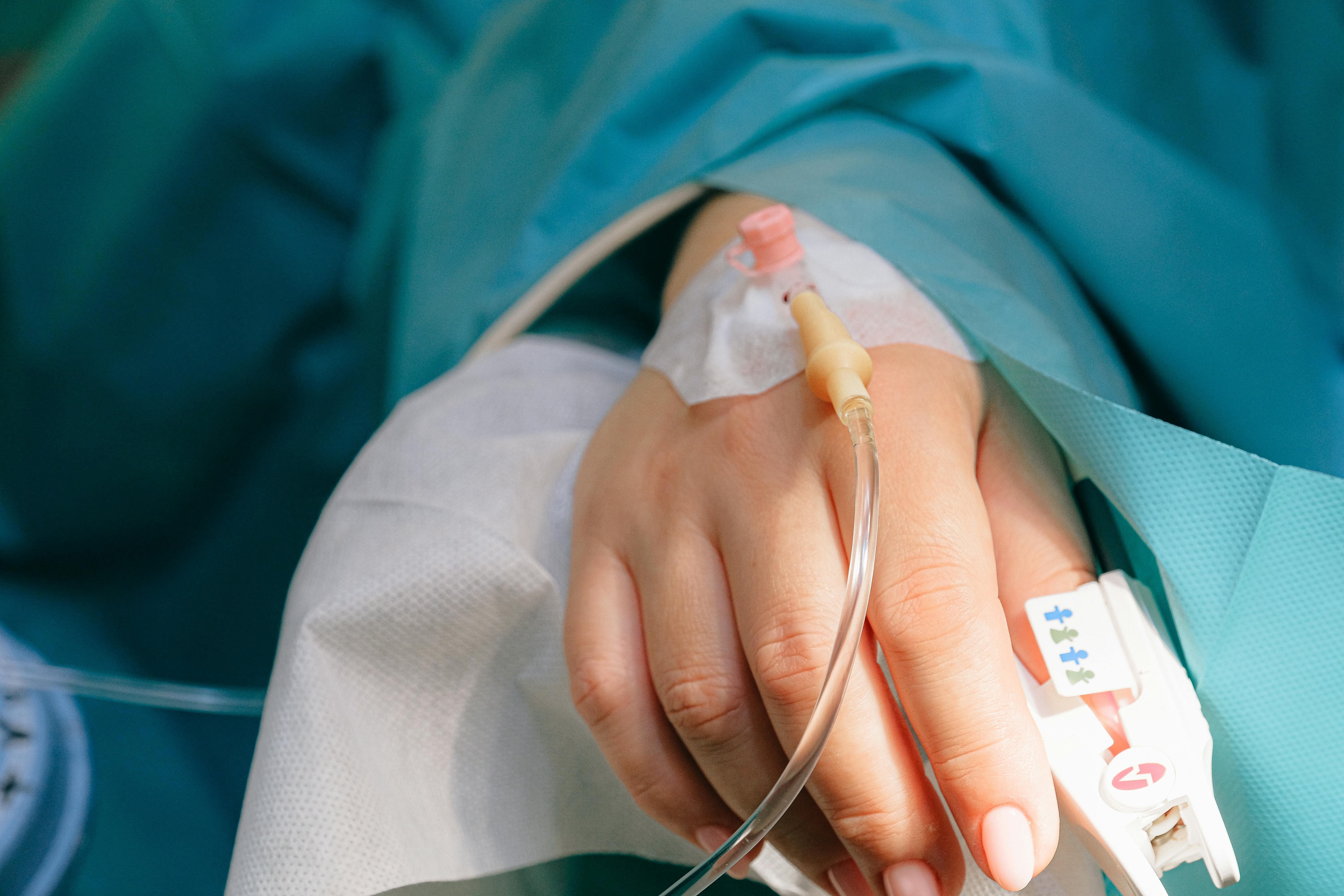
I experienced ketamine recently, as an anesthetic after I broke my ankle in two places. The doctors seemed a little wary about giving it to me, given all my other meds. But they discussed it with me and I decided that it was better than being put all the way out.

Ketamine is definitely a psychedelic. When the drug hit, I began seeing everything as a series of see-through squares, like the kind of glass they use for bathroom windows, except they stretched and moved. It reminded me of the movie Minecraft, where everything is made of blocks. My husband watched as the doctor manipulated my foot in unpleasant ways. What I felt wasn’t pain—more of a stretching sensation that made me groan a bit. (My husband said that I cried out, but it didn’t seem like that to me.) That was probably when they hit me with another dose. Gradually, I came down, and the squares resolved themselves into emergency room curtains and assorted medical gear and people. Then I was trundled off to the operating room for more traditional anesthesia so they could put in some pins and plates.

All in all, it altered my perceptions for a short time, but at no time did I feel euphoric. It did its job in regard to pain, but had no lingering psychological effects that I could see. But then, the doses I received were calibrated for a specific purpose, which had nothing to do with my mental difficulties.

Would I have tried ketamine treatment for the medication-resistant depression I once had? I might have—at least if I had experienced its pain-relieving qualities. Having grown up in the 1960s, I was wary of psychedelics and their reported effects and dangers. Then again, I was ready to try ECT until another medication, added to what I was already taking, finally proved effective.

Then again, the off-label use is not likely to be approved by insurance, and I don’t have the kind of money a course of treatment would require. The nasal spray is a relatively new method of administration and is generally covered by insurance. So it’s highly unlikely that I would ever have agreed to ketamine treatment for my SMI, at least until a broken ankle introduced me to it.

Staying Home

This is our house, and it’s pretty great. When I first saw it, I thought it looked like it had just grown up out of the earth. The main bedroom is large, and there are two smaller bedrooms that have become studies, one each for my husband and me. A great room. A deck. Over and under double ovens. Over and under space-saving washer and dryer. All electric. Over an acre of land, mostly woods, with lots of flowers in the front yard. Quiet cul-de-sac. A modern, new hospital practically within walking distance. A mall and other stores nearby. Close to my husband’s work, my doctor and PT, restaurants, and assorted other amenities.

I almost never leave my wonderful house.

Oh, I go out to doctor’s and PT appointments. My husband can occasionally get me to go out to have a meal. And I get out for other reasons from time to time.

But not often.

We have only one working car, and Dan needs it for work. He works in a big grocery/home goods store and does what shopping I can’t do online. I work from home, doing ghostwriting and editing, and take care of our financial matters online, too. I keep track of all our appointments and subscriptions. Anything that can be done on the phone or computer, I do. I’m not completely useless.

However, I stay home most of the time, living in pajamas or sweats. I know there are people with agoraphobia, movement disabilities, depression, and other conditions that keep them from going outside.

That’s not me. There’s no mental or physical reason I can’t leave the house, though there are limitations on how long I can stand and how far I can walk. These are (I hope) temporary. I do have an anxiety disorder, which may contribute to staying home, but back in the day, I used to travel domestically and abroad, sometimes with my mother or husband, or by myself.

There are excuses I use for not going out. Too much walking. Bad weather—heat, rain, snow, or cold. Fear of falling. My husband’s hours at work. Not having a car I can use when he’s at work. Errands that require only one person to do, such as getting the car’s oil changed.

Back in the day, Dan had a cat that was so chill he could ride in a car without causing a ruckus. When I didn’t want to run errands with him, Dan would scoop up the cat and say, “C’mon, Matches. You’re coming with me.” And off they’d go. I wasn’t properly treated for bipolar back then and had many profound depressive episodes. I knew this maneuver was directed at me, but I didn’t care.

If I do have to go out, we try to make it an occasion—having a meal out before or after PT, for example, if we have the money. I’ve been to a couple of special movies shown on the big screen, with dinner before or after. Visiting a friend in the nursing home and bringing her a gift or treat. But if I don’t have to go out, I simply don’t. And if I do go out, it had better be within five miles of our house.

So, the choices for why I stay home: I still have depressive spells that immobilize me; I still have anxiety that makes braving the world outside seem treacherous; I’m content to let Dan do everything that needs to be done elsewhere; or I simply prefer not to leave the cozy place where I have everything I need.

I would like to travel again, though. But that won’t happen until my purely physical problems are resolved. Until then, I’ll do the best I can inside four walls of safety.